


Tom Drum article
Tom Drum for Beginners: A Complete Guide
A calm, no-jargon starting point for total beginners: what a rack tom and floor tom actually do, a simple tuning check, and where to focus practice first.

New to drums and staring at the two big drums either side of your snare, wondering what they're actually for? That's the tom drum, and the good news is you don't need to understand every technical detail to start using it well. This guide keeps things simple: what you're looking at, how to get a usable sound quickly, and where to focus your practice time first.
What You're Actually Looking At
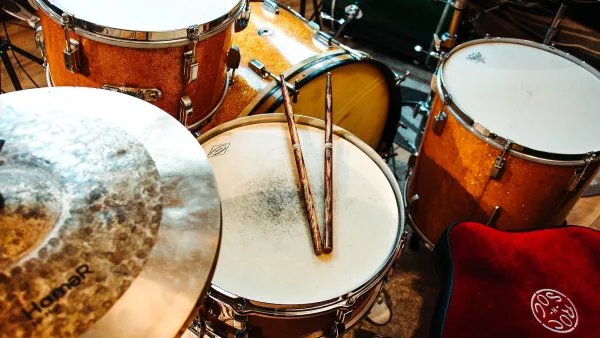
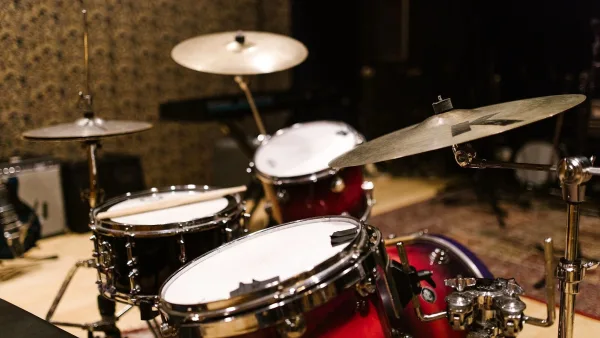
Most beginner kits come with two toms: one mounted up near the bass drum (the rack tom) and one standing on its own legs (the floor tom). The rack tom is smaller and higher-pitched; the floor tom is bigger, lower and rounder-sounding. Together with the snare and bass drum, they're what let you move a groove around the kit instead of just repeating the same two hits over and over.
You Don't Need to Touch a Drum Key Yet
A new kit usually arrives reasonably well tuned from the factory or the shop. Resist the urge to start turning tension rods on day one just because you can — an out-of-tune tom drum from careless tuning is a much more common early problem than an out-of-tune one from the factory. Spend your first few weeks just playing, and only reach for the drum key once something specific is bothering you, like an annoying ring or an obviously flat-sounding drum.
A Simple Way to Check Your Tuning
When you are ready, here's a beginner-friendly way to do it without overthinking:
- Loosen all the tension rods and finger-tighten them evenly.
- Tap gently near each rod and listen for one rod sounding noticeably different from the rest.
- Turn that rod a small amount, up or down, until it matches its neighbours.
- Play a normal hit in the centre of the head and listen for an even, clear tone.
- Repeat for the other tom, aiming for a clearly different, complementary pitch.
You're not chasing a "correct" pitch — you're chasing evenness first, and a pitch you personally like second.
Common Beginner Worries, Answered Plainly
"Am I hitting it too hard?" — probably not, unless the head is visibly denting or you're in real discomfort; toms take a reasonably firm hit well. "Why does mine sound duller than the ones I hear on records?" — often it's simply a fresh head and some room sound, not a flaw in your playing. "Do I need a floor tom straight away?" — no; plenty of beginners start with just a rack tom and add a floor tom once they're comfortable moving around the kit.
Practising Fills Without Overcomplicating Things
The classic beginner mistake is trying to learn complicated fills before the basics feel natural. Start by simply moving a single, steady note from snare to rack tom to floor tom and back, in time, at a slow tempo. Once that feels boring rather than difficult, you're ready to add variation — different rhythms, different orders, maybe a cymbal hit at the end. A tom drum rewards patience far more than it rewards speed early on.
When It's Time to Think About Upgrading
You'll usually feel this before you can explain it: the stock heads start sounding tired, or you notice yourself wishing for a deeper or brighter tone than your kit currently gives you. That's the point to look at fresh heads first — it's the cheapest, most effective upgrade — before considering a whole new shell. There's no rush; plenty of good drummers play the same starter toms for years before changing anything.
The Bottom Line
You really don't need to know everything on day one. Get comfortable moving between the drums, learn a simple tuning check for when you actually need it, and let your ear guide the rest. Once you're ready to dig deeper into how these drums are built, our tom drum explainer is a good next stop, and our piece on common mistakes to avoid will save you some early frustration. When you're ready to buy your own gear, see our buyer's guide and the roundup of the best tom drums for the money.




Comments