


Tom Drum roundup
The Best Tom Drums for the Money
Forget model-number lists — here's an honest look at what budget, mid-range and premium tom drums actually get you for your money.
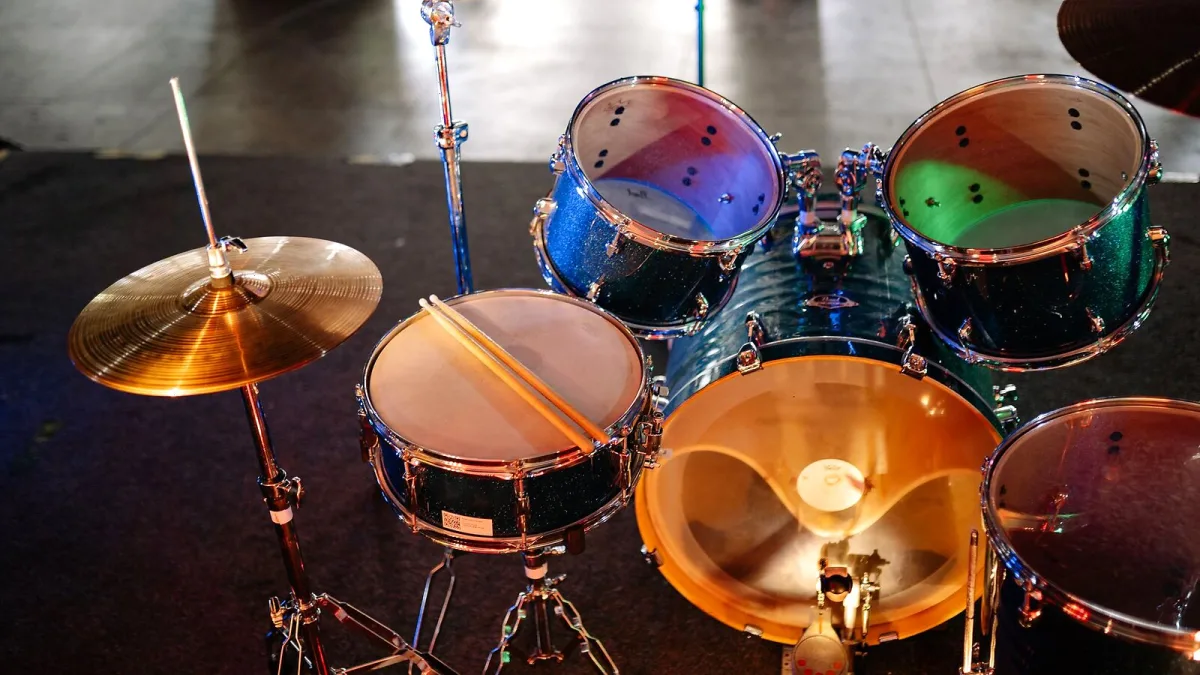
"Best" is a slippery word when it comes to a tom drum, because the right choice depends entirely on budget, genre and how much of it you'll hear back through a microphone. Rather than chase specific model numbers that go out of stock or get revised every year, this guide breaks the market into price tiers and tells you honestly what you're actually paying for at each one.
How We're Judging "Best Value" Here
Value isn't just the lowest price — it's how much genuine tone and durability you get for the money. At every tier, the things worth weighing are shell quality and consistency, the bearing edges (which affect tuning stability more than most players realise), the stock heads, and how solid the hardware feels under a drum key. A tom drum that tunes easily and holds that tuning through a gig is worth more than one that merely looks impressive in a shop window.
Budget Tier: Student and Starter Kits
At the entry level, expect poplar or basic plywood shells, simple lugs, and stock heads that will need replacing sooner rather than later. That's not a criticism — a starter tom drum's job is to be affordable and playable while someone learns, not to compete with a session player's kit. Look for even bearing edges and lugs that turn smoothly; a shell with obvious warping or gritty hardware is the one genuine warning sign at this price point, whatever the brand on the badge.
Mid-Range Tier: Where Most Gigging Drummers Land
This is where maple and birch shells become common, bearing edges get more consistent, and hardware starts to feel properly engineered rather than merely functional. A well-chosen mid-range tom drum will comfortably hold its tuning through a full set, take a head swap without fuss, and generally sound close to a much pricier drum once it's dialled in. For most working drummers, this tier — not the top one — is genuinely the best money spent, because the returns start to flatten out above it.
Premium Tier: Boutique and Pro Shells
At the top end you're paying for tighter manufacturing tolerances, premium finishes, boutique hardware and often hand-selected shells with unusually even grain. The tonal gains are real but incremental — a great mid-range drum, properly tuned and fitted with good heads, will out-record a poorly set-up premium one every time. This tier suits players who can genuinely hear the difference, gig or record enough to justify it, or simply want the best tool available and can afford it without compromise elsewhere.
Best Value if You're Recording Often
For studio use, consistency across the shell matters more than raw price. A mid-range birch shell with a fresh single-ply head, properly tuned, will often sit better in a mix than an expensive maple drum with tired stock heads. Spend any spare budget on heads and microphone placement before chasing a pricier shell — it tends to move the needle further for the same money.
Best Value as a Single Add-On Tom
Adding one drum to an existing kit is a different equation entirely: match the finish and lug count to what you already own, and prioritise a shell that blends tonally rather than the flashiest option on the shelf. A single well-matched mid-range floor tom will serve a gigging drummer better than a mismatched premium one that sounds like it belongs to a different kit.
A Simple Way to Decide
- Learning or occasional use: budget tier, spend any extra on heads.
- Regular gigging: mid-range tier, the sweet spot for most players.
- Recording-focused: mid-range shell, prioritise heads and mic placement.
- Money genuinely no object: premium tier, but only once you can hear the difference.
The Bottom Line
There's no single "best" tom drum — only the right tier for your budget and how you'll actually use it. If you want the full picture of what's inside one before you shop, read our tom drum explainer. Ready to weigh up specific features rather than price tiers? Our buyer's guide covers exactly what to check. And if this is your first kit rather than an upgrade, start with the beginner's guide and its companion piece on common mistakes to avoid.






Comments