


Snare article
Common Snare Mistakes to Avoid
I've fixed more bad-sounding snare drums than I can count, and nine times out of ten it's one of a small handful of habits. Here's the honest fix for each.
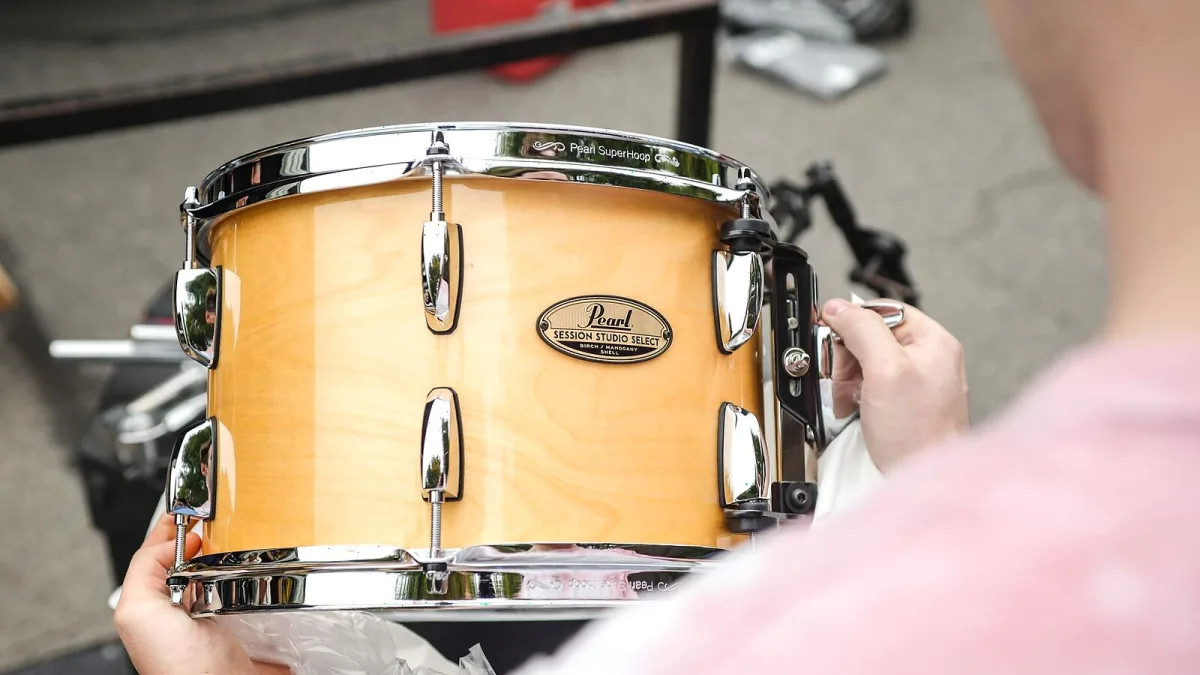
I've fixed more bad-sounding snare drums than I can count, and nine times out of ten the problem isn't the drum itself — it's one of a small handful of habits that quietly ruin an otherwise decent snare drum. Here's what actually goes wrong, and the honest fix for each one.
Assuming a Bigger, Deeper One Is Automatically Better
More depth means more low end and body, not automatically a better sound. A 7-inch-deep shell tuned for a fat, slow backbeat is brilliant for the right song and completely wrong for a fast, articulate funk part. Match the depth to the job, not to whatever looks most impressive in a shop window.
Cranking the Resonant Head Way Too Tight
Yes, a tighter lower head generally improves response and sensitivity, and that's good advice as far as it goes. Taken too far, though, it turns bright and thin, chokes the tone, and puts real mechanical stress on the head and hoop. Aim for noticeably tighter than the batter head, not maximum tension for its own sake.
Tuning by Ear Alone Without Checking Every Lug
Plenty of players tune the head, decide it "sounds fine," and move on without ever checking each lug individually. One slack rod is enough to create a ring, a dead spot or a rattle that only shows up once you're actually playing at volume. Tap about an inch and a half in from every rod and listen for the pitch to match all the way round — it takes thirty seconds and saves a lot of frustration later.
Piling On Too Much Muffling
A ringy head is annoying, so the instinct is to smother it — gel dampers, tape, a folded cloth, sometimes all three at once. Overdo it and you strip out the transient attack and dynamic detail that actually make a snare drum worth playing. Use the least muffling that solves the problem, then stop.
Setting the Wire Tension and Forgetting About It
Wire tension isn't a set-and-forget adjustment. Too loose and you get an untidy, buzzy mess; too tight and the response chokes and loses sensitivity. It's also genuinely affected by humidity and head condition over time, so a setting that was perfect last month might need a small nudge today — check it occasionally rather than assuming it never moves.
Trusting a Microphone to Fix Bad Tuning
This one catches out home recordists especially. No amount of EQ, compression or clever microphone placement rescues a head that's genuinely uneven or badly tuned — a close mic captures the transient faithfully, flaws included, and overhead or room microphones only make an uneven tone more obvious. Get the tuning right first; treat the microphone as a way of capturing that sound, not repairing it.
Ignoring the Snare Bed and Bearing Edge
New players rarely think about the bearing edge or the shallow recess called the snare bed, but an inconsistent one makes even careful tuning frustrating on any snare drum, since the head can't seat evenly no matter how patient you are with the rods. If something never quite settles despite your best efforts, this is worth checking before you assume you've done something wrong with the tuning itself.
The Bottom Line
Most snare drum mistakes come from rushing the tuning stage or over-correcting a small problem. Slow down, check every lug, and use muffling and wire tension sparingly. If you're still building the basics, our beginner's guide is the friendliest starting point, our overview of how it all works fills in the bigger picture, and if you're eyeing an upgrade, our buyer's guide covers what actually matters when you spend.





Comments