


Drums Notation roundup
The Best Drums Notations for the Money
Notation itself is free to learn. What varies in value is the resource you learn it from. Here's the best option for every budget and learning style.
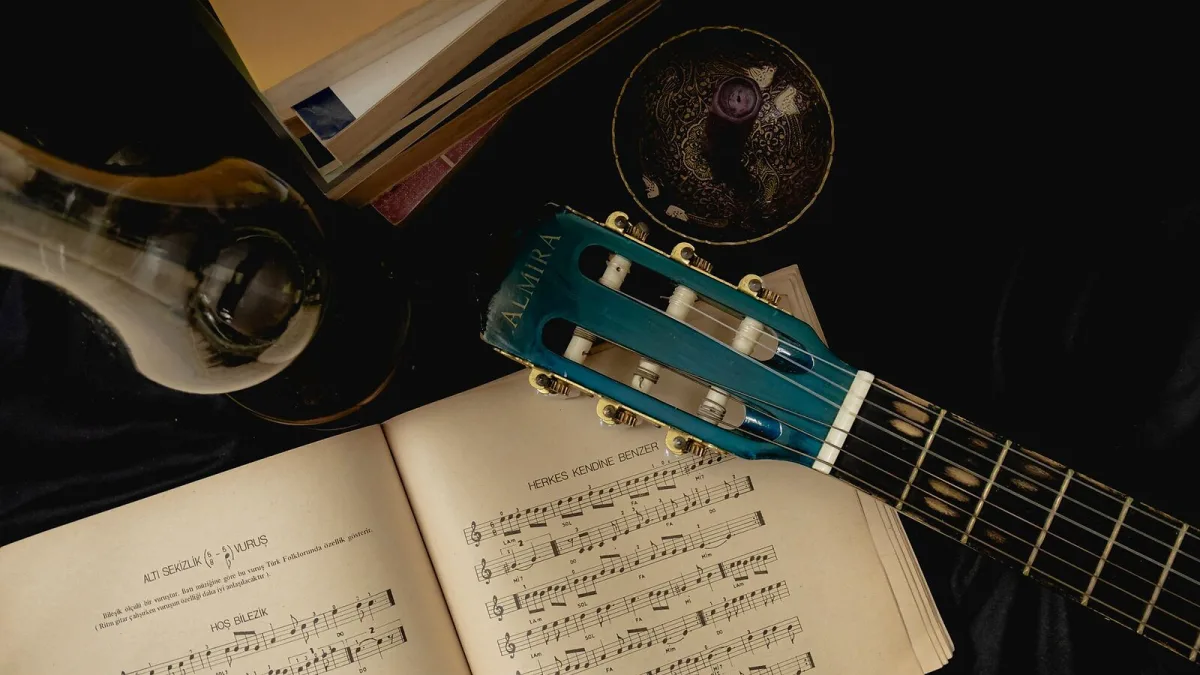
"Best drum notation for the money" isn't quite the right question — notation itself is free, in the sense that anyone can learn it. What genuinely varies in value is what you learn drum notation from. I've broken this down by what actually gets you reading fluently without wasting time or cash on the wrong resource for your situation.
Best Free Option: MuseScore
If your budget is zero, start here. MuseScore is free notation software with a dedicated drum-input palette, meaning you select an instrument and a note duration rather than guessing staff positions manually. It won't teach you to read from scratch, but it's an excellent way to see notation written out clearly, hear it played back, and build your own simple exercises as you learn — genuinely strong value for a cost of nothing.
Best for Professional-Grade Engraving: Sibelius, Finale and Dorico
Once you're writing or arranging charts seriously — for a band, a session, or publication — the paid, professional notation programs earn their keep. Sibelius, Finale and Dorico all offer more refined engraving tools, better handling of complex percussion arrangements, and wider industry compatibility for sharing files with other musicians and engravers. They're overkill for someone just learning to read; they're the right tool once you're producing charts other people will actually play from.
Best Method Books for Learning to Read
For structured, page-by-page progression, classic drum-reading method books remain hard to beat. Ted Reed's Syncopation for the Modern Drummer is one of the most enduring titles in this space, used for decades to build the link between reading rhythm and playing it around the kit. Books like this reward patience: work through them a little at a time rather than racing ahead, and the reading skill compounds steadily.
Best for Guided, Video-Based Learning
If you learn better by watching a groove performed alongside its notation, a structured paid video platform is worth the extra cost over a book alone. Hearing exactly how a written accent or ghost note is supposed to sound removes a lot of the guesswork that a page of symbols alone can leave you with, particularly in your first few months of reading.
Don't Overlook Free Video Tutorials
Plenty of experienced drummers and teachers publish free video lessons covering exactly this ground — reading rhythms, identifying staff positions, and working through common symbols. They won't offer the structured curriculum a paid course provides, but stitched together with a free tool like MuseScore, they can take a genuine beginner a surprisingly long way before any money needs to change hands at all.
Quick Recommendation by Situation
| Your situation | Best value option |
|---|---|
| Total beginner, no budget | MuseScore plus free online tutorials |
| Serious about reading fluently | A method book such as Ted Reed's Syncopation |
| Learn best by watching and hearing | A structured paid video course |
| Writing or arranging charts professionally | Sibelius, Finale or Dorico |
What "Value" Actually Means Here
Value isn't simply the cheapest option — it's whichever resource gets you reading drum notation fluently without stalling out halfway through. A free tool you actually open every day beats an expensive course gathering dust, and a modest method book you finish beats a comprehensive package you abandon after chapter two. Weigh cost against the honest likelihood you'll stick with it.
Don't Overspend Before You Need To
It's tempting to buy the most comprehensive-looking package available, but professional engraving software solves a problem most learners don't have yet. Start free or cheap, confirm you're actually sticking with regular reading practice, then upgrade to a paid book, course or professional software only once you've hit a genuine limitation in your drum notation resource.
Related Reading
If you're not sure where your reading currently stands, our beginner's guide to drum notation is the place to start, and our fuller buyer's guide to choosing a learning resource covers the decision in more depth than this round-up. Once you're reading, our step-by-step guide to using a chart puts any resource's teaching into practice.
The Bottom Line
There's no single best option here, only the best value for where you currently are. Start free, be honest about how you actually learn, and only spend more once you know exactly what a cheaper resource isn't giving you.


Comments