


Drums Notation article
Common Drums Notation Mistakes to Avoid
The same handful of drum notation mistakes come up again and again. None are complicated to fix, just a shift in habit.
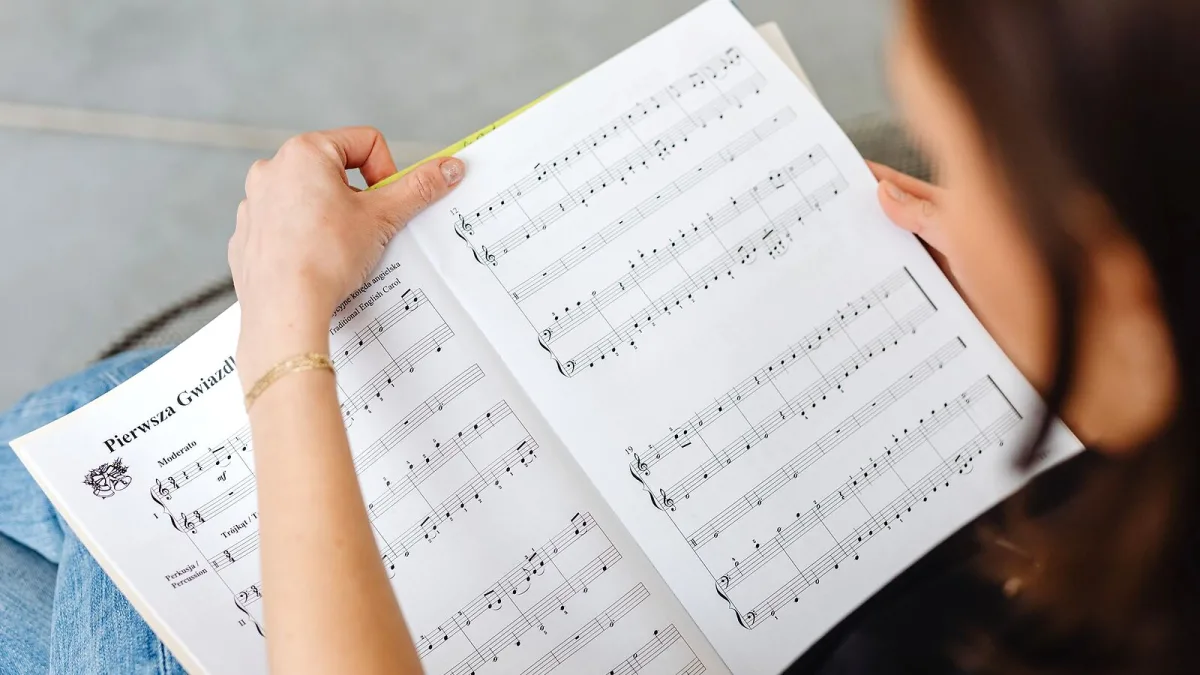
I've spent enough time picking apart charts and notation software to notice the same handful of mistakes coming up again and again, both from people learning to read and from people writing their own charts. None of these are complicated to fix — most just need a shift in habit.
Mistake 1: Assuming Every Chart Uses the Same Layout
This is the big one. Drum notation isn't fully standardised — publishers, arrangers and different notation software can place instruments in slightly different staff positions. Assuming a note means the same thing it did on the last chart you read, without checking the key, is how people end up hitting a tom when a chart actually meant a cymbal.
Mistake 2: Skipping the Drum Key Entirely
Related to the above, but worth calling out separately: plenty of readers never form the habit of checking the key at all, even on unfamiliar charts. It takes seconds and prevents the single most common source of confusion in reading drum notation.
Mistake 3: Confusing Accents With Longer Notes
An accent mark tells you to hit a note harder, not to hold it longer — drums don't sustain the way a held piano note does. Treating an accented note as if it needs extra length rather than extra force throws off the feel of a groove more than beginners tend to expect.
Mistake 4: Ignoring Ghost Notes
Ghost notes are written quietly for a reason — they add texture and groove underneath the main pattern. Skipping them because they look unimportant, or because they're genuinely tricky at low volume, flattens out grooves that are supposed to have real dynamic contrast built in.
Mistake 5: Reading Top to Bottom Instead of Layer by Layer
Trying to read every element of a busy chart in one pass — kick, snare, hi-hat, accents and fills all at once — is a reliable way to feel overwhelmed. Isolating the kick and snare first, then adding the hi-hat, then the finer articulation, makes even a dense chart manageable.
Mistake 6: Misreading Slash Notation
A slash mark generally means "continue the established pattern," but its exact meaning depends on context and the chart's key — sometimes it implies rhythmic comping space, sometimes a straightforward repeat. Assuming one fixed meaning across every chart you read is a common way to misinterpret a passage.
Mistake 7: Jumping Straight to Speed
Reading a chart at performance tempo before the pattern is actually secure is one of the fastest ways to bake mistakes into your playing permanently. Slow, metronome-locked practice first isn't a beginner-only step — professional session drummers still do it on unfamiliar material.
Mistake 8: Writing Charts Without a Key (If You're the Arranger)
If you're the one producing drum notation rather than just reading it, omitting a key or legend because "it's obvious" is a mistake that lands squarely on whoever has to read your chart later. What's obvious to the person who wrote it is rarely obvious to someone seeing it cold — include the key every time.
Mistake 9: Overcrowding the Staff
Cramming every possible dynamic marking, articulation and auxiliary instrument onto one dense staff makes a chart harder to sight-read, not more informative. A good chart prioritises the details that actually matter for the performance and uses repeat signs to reduce unnecessary visual clutter.
Fixing These Habits
Most of these mistakes trace back to rushing — either rushing past the key, or rushing straight to full speed. Our step-by-step guide to reading a chart lays out the slower, layered process that avoids several of them at once, and if the fundamentals still feel shaky, our beginner's guide to drum notation is the right place to shore them up. Our complete guide to the whole system covers the wider context behind any of the mistakes above.
The Bottom Line
Nearly every mistake on this list comes down to skipping a step that felt unnecessary in the moment — checking the key, isolating the groove before adding detail, or practising slowly before chasing speed. Build those habits in early and the rest of drum notation gets considerably easier to trust.



Comments