


Zildjian S article
Zildjian S for Beginners: A Complete Guide
You don't need to know every cymbal name to get started. Here's a gentle, encouraging guide to your first Zildjian S set.
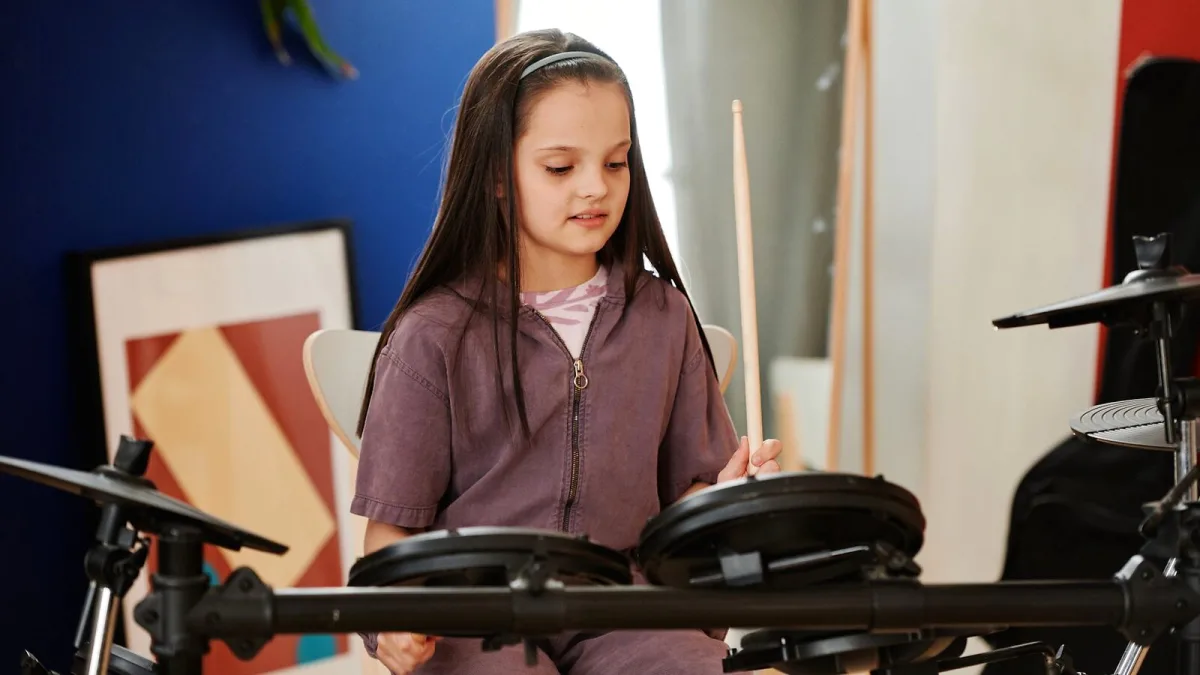
If cymbal shopping has you a bit overwhelmed, take a breath — you really don't need to know every model name before you buy your first set. Zildjian S is a genuinely friendly place for a beginner to start, and I'll walk you through it gently, one piece at a time.
You Don't Need to Know Every Cymbal Yet
The full range includes hi-hats, crashes, rides, splashes, chinas and effect cymbals in various weights — and no, you don't need any of that memorised. Almost every drummer starts with the same three basic pieces and builds outward slowly from there as their playing and their ear develop.
The Three Essentials: Hi-Hats, Crash, Ride
- Hi-hats — the pair of cymbals played with your foot pedal, used constantly for timekeeping. A 14-inch pair is the standard, sensible starting size.
- Crash — the cymbal you hit for accents, big moments and section changes. A Medium-Thin crash around 16 inches is an easy, versatile first choice.
- Ride — a larger cymbal for sustained patterns, often replacing the hi-hats for longer, driving sections. A 20-inch Medium ride suits most beginners well.
That's genuinely it for a starter set. Everything else — a second crash, a china, a trash crash for effects — can wait until you know your own playing well enough to know what you're missing.
Building Your Very First Set
If you're buying from scratch, here's a sensible order to think about it in:
- Start with hi-hats, since you'll use them on almost every song you play.
- Add one crash next, for accents and section changes.
- Add a ride once you're playing longer, more sustained patterns.
- Only after that, consider anything extra like a second crash or an effect cymbal.
Zildjian also sells these four pieces together as a Performer Pack, which is often the simplest and most affordable route in if you'd rather buy everything in one go.
Why Zildjian S Suits a Beginner So Well
Some ranges assume a certain amount of experience before they make sense, but Zildjian S doesn't ask that of you. The models are built to be bright and clear from the moment you play them, so you get an immediately satisfying sound rather than something that only makes sense once you've developed a more refined touch. That's a genuinely kind thing for a beginner range to do.
Common Nerves, Settled
- "What if I choose the wrong weight?" A Medium or Medium-Thin cymbal is a forgiving, versatile choice while you're learning what you like. You're not locking yourself in for life.
- "Will I damage them if I hit too hard?" Cymbals are sturdier than they look, but do avoid striking flat, and let your stick bounce off rather than digging in.
- "Do I need to understand the alloy and hammering?" Not to start playing, no. That's genuinely useful to know later, but it won't change how much you enjoy your first few months on the kit.
Looking After Your New Cymbals
A little care goes a long way. Keep felts and wingnuts snug but not overtightened, so the cymbal can still move and breathe properly. Store them in sleeves or a proper case rather than stacked loose, and avoid any metal-to-metal contact with your stands. None of this is complicated, it just becomes habit very quickly.
You've Got This
Starting with Zildjian S means you're beginning on cymbals that plenty of experienced drummers still use happily, so you genuinely won't outgrow them in a hurry. Once you're feeling more confident, our full Zildjian S overview goes deeper into the range, and our buyer's guide is there for when you're ready to expand your set with confidence.



Comments