


Zildjian S roundup
Zildjian S: A Complete Buyer's Guide
The question isn't whether Zildjian S cymbals are worth buying, it's which pieces actually suit what you play. Here's how to decide.
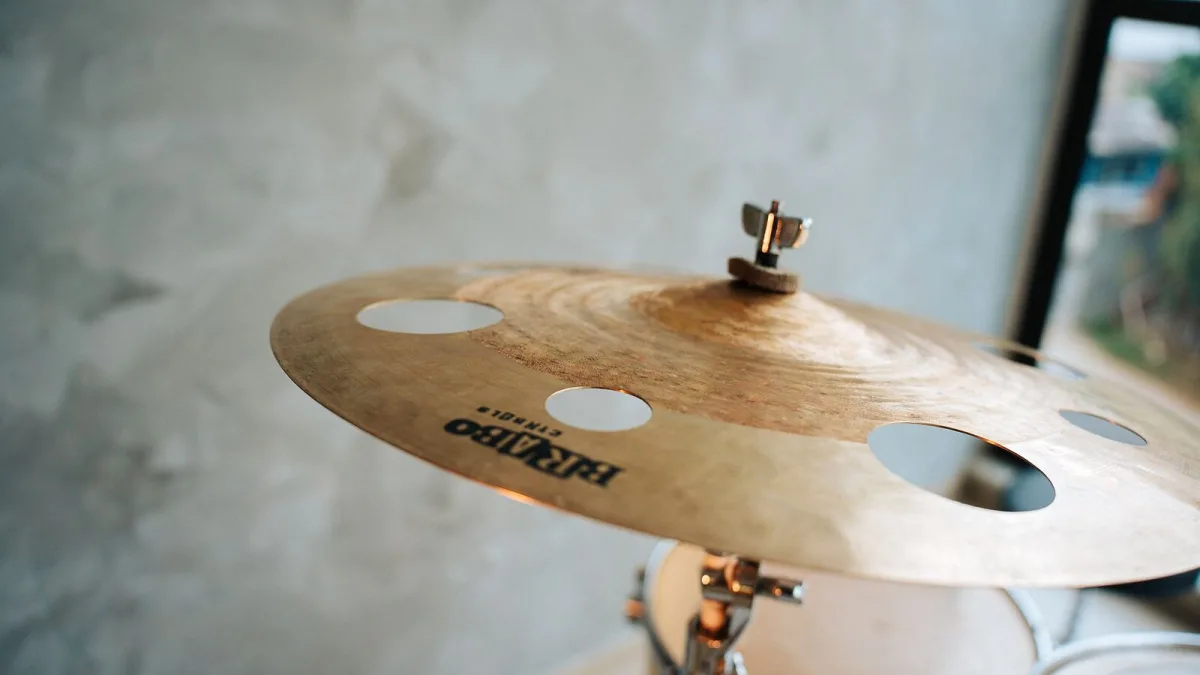
I like gear that does exactly what it says on the tin, and Zildjian S cymbals are a good example of that. The tricky part isn't whether they're worth buying — it's working out exactly which pieces suit what you actually play. Let's get into the practical decisions.
Buying a Pack or Building Individually?
Zildjian sells the range as a Performer Cymbal Pack — typically 14-inch Mastersound hi-hats, 16- and 18-inch Medium-Thin crashes, and a 20-inch Medium ride — alongside every model sold individually. The pack is the sensible default if you're starting from nothing: it covers hi-hats, two crash sizes and a ride in one purchase, usually for less than buying the same four pieces separately. Buying individually only really makes sense once you know you want to deviate from that spread — a Rock crash instead of Medium-Thin, say, or a smaller ride.
What to Actually Check Before Buying
- Weight — Thin, Medium-Thin, Medium or Rock. This affects volume and response more than diameter does, so don't skip past it on a listing.
- Diameter — 14-inch hi-hats and a 20-inch ride are sensible defaults; crashes commonly run 16 to 18 inches.
- Sound profile — standard S for a bright, cutting sound, or S Dark where it's available in your region for something lower and less brilliant.
- Region-specific catalogue — not every model is sold everywhere, so confirm the exact model exists in your market before ordering.
Matching Cymbals to Your Actual Music
This is where buyers go wrong most often: choosing by name rather than by what they'll actually play through. A thin crash can sound genuinely lovely in a controlled rehearsal room and get completely swallowed the moment a loud guitar amp and a full band arrive. If you're playing amplified rock, pop or worship regularly, lean toward Medium or Rock weights for anything you need to cut through a mix. If you're mostly playing quieter, more dynamic music, thinner models will serve you better and feel more expressive under your hands.
New or Used: What to Look For
A used Zildjian S cymbal is often a perfectly sensible buy, provided you inspect it properly. Check the edge for cracks or keyholing around the mounting hole, listen for a clean, even tone rather than a dull "clack," and be wary of anything with visible warping. Cymbals don't wear out quickly under normal use, so a well-cared-for used piece can save real money over buying new.
Stepping Up: S vs A Custom
| Zildjian S | Zildjian A Custom | |
|---|---|---|
| Alloy | B12 bronze | B20 bronze |
| Character | Bright, immediate, cutting | More complexity and depth, still projecting |
| Price position | Mid-range | Higher, professional tier |
| Best suited to | Budget-conscious rock, pop, worship | Players wanting more tonal nuance at a higher spend |
There's no need to feel like the S range is a compromise. It's simply positioned differently — buy it because it suits your music and budget, not as a placeholder until you can "afford better."
Checking Authenticity When Buying Used
Zildjian stamps its logo into the bell of every genuine cymbal, and it's worth taking a proper look before you buy secondhand, particularly if the price seems unusually low. A blurry, off-centre or inconsistent stamp is worth a second question to the seller. It's a rare problem rather than a common one, but a thirty-second check costs you nothing and saves a genuine headache later.
Building a Sensible First Set
If you're starting from scratch: 14-inch hi-hats, one Medium-Thin crash around 16 inches, and a 20-inch Medium ride covers the vast majority of playing situations. Add a second crash or an effect cymbal like a Trash Crash later, once you know what your playing actually needs rather than guessing upfront.
Making the Decision
Buy the Performer Pack if you want the simplest, most cost-effective route in; buy individually once you know exactly what you want to change. For the full picture on how the range is built and what each type does, our Zildjian S overview is worth reading first, and if you're completely new to buying cymbals, our beginner's guide is a gentler starting point.




Comments