


Zildjian S article
Zildjian S Explained: Features, Types and Tips
A plain-spoken look at what Zildjian S cymbals actually are, how they're built, and who the range genuinely suits.
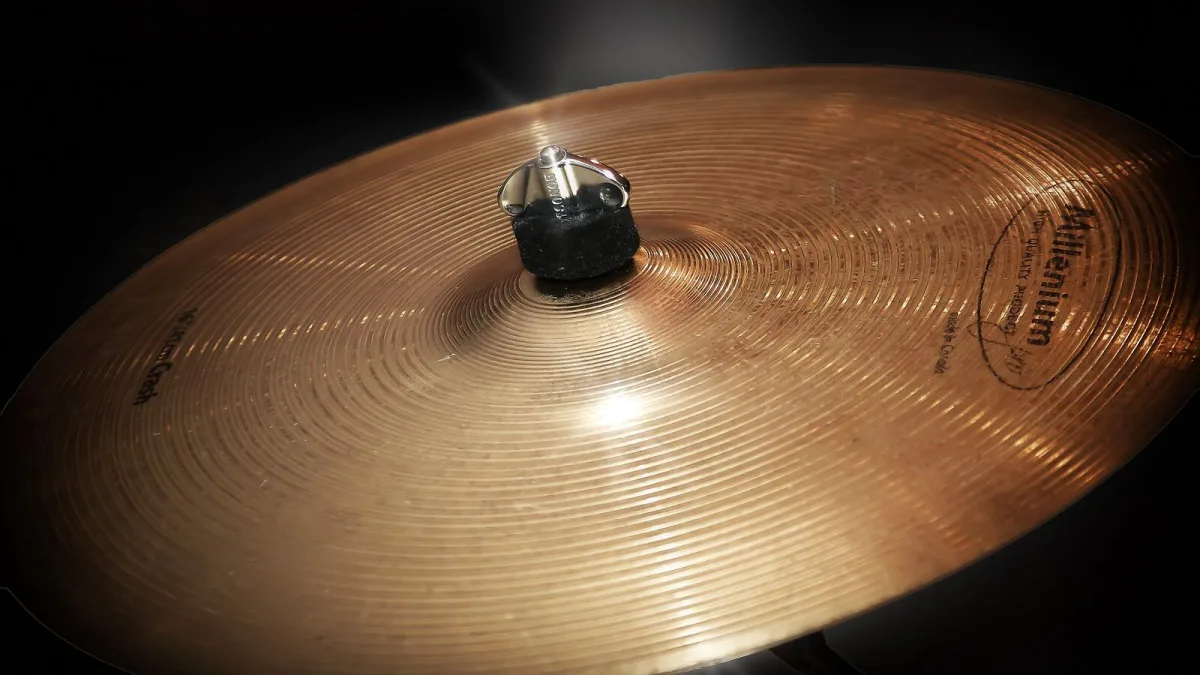
Right, let's cut through the marketing language and talk plainly about what Zildjian S cymbals actually are. They're a mid-range family built to sound bright and cut through a mix without asking you to spend professional-tier money. Here's the honest rundown of what's in the range and who it actually suits.
What Is the Zildjian S Family?
Zildjian S is a range of B12 bronze cymbals sitting between Zildjian's entry-level lines and its premium B20 bronze families. B12 refers to the alloy — roughly 12% tin to 88% copper — which tends to give a focused, immediate, bright response rather than the deeper complexity you'd get from cast B20 bronze. That's not a knock. It's a deliberate choice aimed at rock, pop, worship and funk players who want clarity and projection over subtlety.
The Build, Explained Properly
Three things shape the sound here: hammering, lathing and finish. Standard S models use symmetrical hammering (which helps control the overtones) and traditional lathing on both the top and bottom of the cymbal, finished with a bright, polished "brilliant" surface. Put together, that's what gives the range its clean, cutting character rather than a darker, more textured one.
What's Actually in the Range
| Type | What it's for | What to expect |
|---|---|---|
| Hi-hats | Timekeeping and grooves | Bright, clear "chick"; Mastersound versions release air for a sharper closed sound |
| Crashes | Accents and transitions | Medium-Thin opens fast; Rock models hit harder and louder |
| Rides | Sustained patterns | Medium balances ping and wash; Rock leans toward cut and volume |
| Trash crash | Short, aggressive effects | Fast attack, noisy texture, unconventional decay |
| Splash / China | Quick accents and punctuation | Immediate response, short sustain, trashy edge on chinas |
Thin, Medium or Rock: The Weight Question
Weight changes how a cymbal behaves more than most players expect. Thin cymbals respond fast, wash out quickly, and don't take much force to open up — lovely for quieter, more dynamic playing. Rock-weight models are the opposite: louder, more cutting, and built to survive being hit hard in a loud band. Medium and Medium-Thin sit in between, which is why they're the sensible default if you're only buying one of something.
Two Sound Profiles: S and S Dark
Zildjian describes the family as offering two broad sound directions. The standard S models are the bright, clean, cutting sound described above. S Dark variants, where available in your market, aim for a lower, less brilliant character within the same B12 family. Availability varies by region and changes over time, so it's worth checking Zildjian's current catalogue for your country rather than assuming every model exists everywhere.
Who It's Actually For
Honestly? Anyone playing amplified music who wants a cymbal that won't get buried under guitars and vocals, without stretching to Zildjian's top-tier B20 lines. It's less suited to quiet jazz or very soft acoustic settings, where a darker, more complex cymbal usually suits the music better. Judge it by what it's built to do, not by comparing it to a completely different kind of cymbal.
How to Actually Choose Between the Models
Model type, diameter, weight and playing context all combine to shape the final sound, and no single spec tells the whole story on its own. A 16-inch Medium-Thin crash and an 18-inch Rock crash are built for genuinely different jobs, even though they're both just "crashes" on paper. The most reliable approach is working backwards from what you actually play: loud amplified rock points you toward heavier, cutting options, while lighter, more dynamic music suits thinner models that respond faster and open up more easily under a softer touch.
A Word on Fitting and Care
None of this matters if a Zildjian S cymbal is fitted badly. Keep the felts and wingnuts snug rather than clamped down hard — overtightening restricts the movement a cymbal needs and can stress the metal around the mounting hole over time. Avoid any metal-to-metal contact with your stand, and store cymbals in sleeves or a proper case between sessions rather than stacked loose. It's a small habit that noticeably extends how long any cymbal, this range included, keeps sounding its best.
The Bottom Line
Zildjian S cymbals do a specific job well: bright, punchy, dependable sound at a sensible price for loud, modern playing. If you're working out exactly which pieces to buy, our buyer's guide goes through that properly, and if this is your first proper cymbal set, our beginner's guide takes it slowly. Worth a read too: the common mistakes people make once they've got a set home.




Comments