


Sabian roundup
The Best Sabians for the Money
"Which Sabian is best" is the wrong question — here's how to match the range to what you actually play and where.
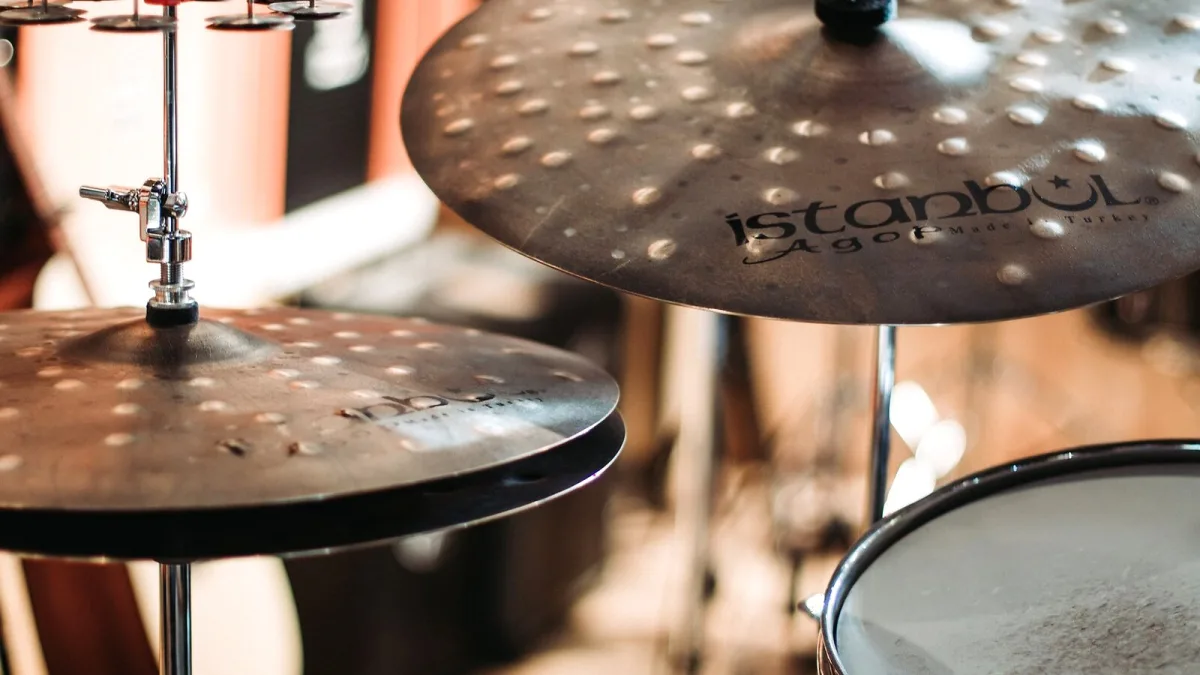
Ask ten drummers which Sabian series is "best" and you'll get ten different answers, and honestly, they'd all be right for their own kit and style. The genuinely useful version of this question isn't "which is best" — it's "which is best for what I actually play." So let's go through the range that way, by genre and situation rather than by hype.
Best Sabian Choices for Rock and Metal: Heavier, Bell-Forward
For aggressive, high-volume playing, prioritise larger, heavier crashes and rides with strong bell definition — you need cymbals that cut through distorted guitars and stay articulate under a hard-hitting player. Sabian's brighter, more explosive-leaning identities suit this territory well, giving you the attack and projection that gets lost with a darker, more complex cymbal in a loud mix. This is also where the manufacturing detail matters most in practice: heavier hammering generally holds up better and cuts more cleanly under serious volume than a thinner, lighter build.
Best Sabian Choices for Jazz: Lighter, Darker and More Responsive
Jazz drummers ask a Sabian cymbal for the opposite priorities — a ride that whispers at a soft dynamic and still opens up when you dig in, with complexity and wash rather than pure cut. Lighter, darker-leaning cymbals generally serve this better than the bright, explosive end of the range. If you're building a jazz-appropriate setup, prioritise responsiveness across dynamics over raw volume.
Best Sabian Choices for Funk and Pop: Controlled and Clean
Here, you want controlled sustain and clean hi-hat articulation above almost everything else, plus a ride that stays defined even under amplification and a full band mix. Cymbals that wash out too quickly or ring on uncontrollably will muddy a groove-focused part rather than support it.
Best Sabian Choices for Quiet Practice and Acoustic Settings
Sabian's frequency-reduced FRX line is worth investigating here, designed around selectively reduced frequencies for a lower perceived volume. Just don't treat that as equivalent to a true low-volume practice cymbal — it's a different design goal, aimed at a quieter character rather than a drastically reduced overall output.
Best Value Entry Point: B8X and SBr
If you're not yet sure this instrument, or this level of investment, is for you, Sabian's entry-level B8 and sheet-bronze lines get you a genuinely playable set without the cost of cast B20 construction. It's a sensible way to find your feet before committing to a pricier upgrade — our beginner's guide covers exactly this starting point.
Best for Serious Players Wanting One Set That Does It All
If you play across genres and want versatility over a specialist edge, look at broader-spectrum B20 lines built around combining clear articulation with warm wash — designed specifically to avoid forcing a choice between cut and complexity. It's a sensible middle ground if you don't want a genre-specific setup for every gig.
Quick Reference by Genre
| You mostly play... | Prioritise |
|---|---|
| Rock or metal | Heavier, brighter, bell-forward cymbals |
| Jazz | Lighter, darker, dynamically responsive cymbals |
| Funk or pop | Controlled sustain, clean hi-hat articulation |
| Quiet practice or acoustic sets | Frequency-reduced options, understanding their real limits |
| A bit of everything | Broad-spectrum B20 designs built for versatility |
Don't Skip Listening in Person
Descriptions like "bright," "dark" and "warm" are genuinely useful shorthand, but individual cymbals vary even within the same model due to small differences in hammering and lathing. Whatever category you land on, listen before you buy wherever that's actually possible — our buyer's guide covers exactly how to audition properly, including what to check on a used example.
Bottom Line
The best Sabian choice depends entirely on what you play and where. Match the category to your genre and situation first, and the specific model becomes a much easier, much more confident decision.





Comments