


Sabian article
Sabian Explained: Features, Types and Tips
A wall of Sabian cymbals can look identical until you understand the alloy, the manufacturing and the series identity behind each one.
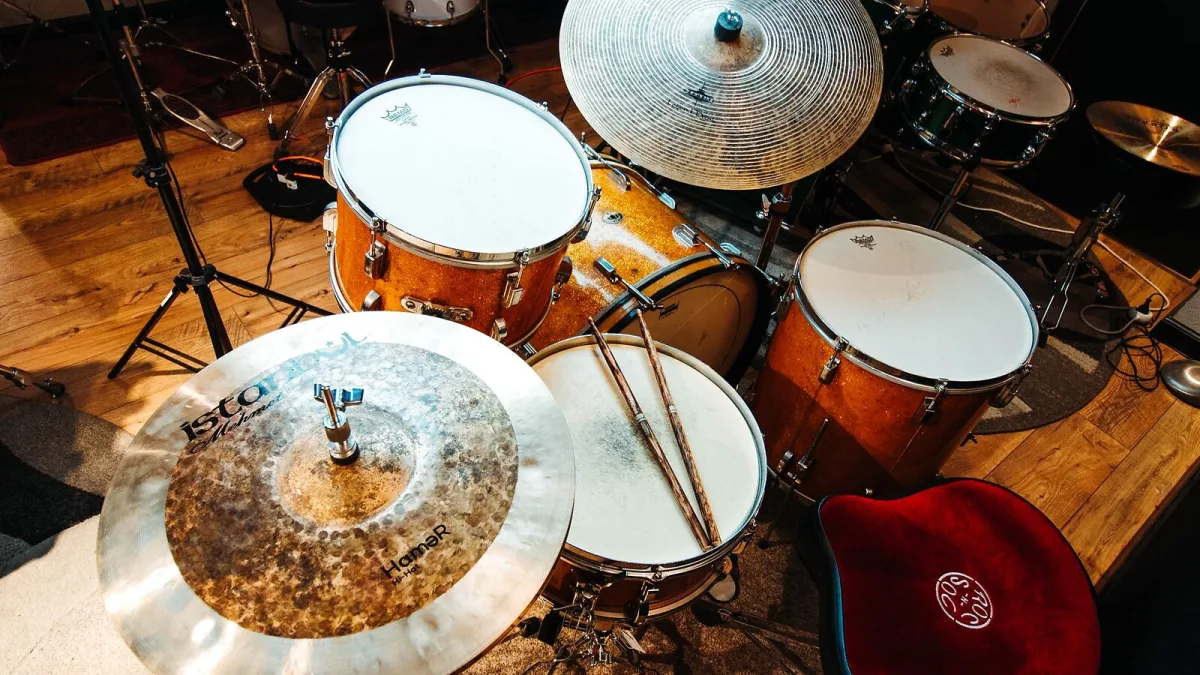
Walk into any half-decent drum shop and you'll find a wall of Sabian cymbals looking almost identical until you actually pick one up and hit it. That's the thing about this brand — the differences are real, they're just not always obvious from the shelf. Here's what actually separates one Sabian series from another, and how to make sense of the range without getting lost in marketing language.
Who Sabian Actually Is
Sabian is a Canadian cymbal maker founded in 1981 by Robert Zildjian, splitting off from the famous Zildjian family cymbal-making tradition to build its own brand from scratch. The company says it produced roughly 45,000 cymbals in its first year alone, including the original AA and HH lines that still anchor the range today.
Bronze Types: The Real Starting Point
Before you get into individual series, the alloy is worth understanding, because it shapes everything else:
| Alloy | Composition | General character |
|---|---|---|
| B8 bronze | ~92% copper, 8% tin | Brighter, more immediate, often used on entry-level lines |
| B20 bronze | ~80% copper, 20% tin | Broader overtones, more complex sustain, used across professional lines |
Don't over-read this, though — B20 isn't automatically "better" and B8 isn't automatically "worse." Hammering, lathing, thickness and diameter shape the final sound just as much as the alloy does.
How the Cymbal Is Actually Made
Alloy is only half the story. Two other manufacturing steps shape the final sound just as much:
- Casting method. Cast bronze cymbals are poured and shaped individually, generally associated with more complex, higher-end sound; sheet bronze is stamped from rolled sheet material, typically used on more affordable lines.
- Hammering. The pattern and depth of hammer marks affect how the metal vibrates — heavier or more irregular hammering tends to add complexity and character, while a smoother surface generally reads as cleaner and more controlled.
- Lathing. The circular grooves cut into the surface (or deliberately left off, for an "unlathed" or raw finish) change brightness and overtone content.
Two cymbals with identical alloy and diameter can sound genuinely different once you factor in how they were hammered and lathed — which is part of why listening in person matters so much when choosing a Sabian cymbal.
The Main Series Explained
| Series | General character | Positioning |
|---|---|---|
| AA | Bright, explosive, direct | Classic Sabian identity, B20 |
| AAX | Modern, bright, focused | Sabian's "Auto-Focus Response" concept |
| HH | Dark, rich, complex | Hand-hammered character |
| HHX | Dark with added edge and projection | Hand-hammered with extra cut |
| XSR | Accessible, professional-leaning | Affordable B20 range |
| FRX | Lower perceived volume | Frequency-reduced B20 design |
| Paragon | Powerful, articulate, versatile | Developed with Rush drummer Neil Peart |
| Stratus | Clear articulation, warm wash | Modern B20 line with "high-impact hammering" |
| B8X / SBr | Bright and budget-focused | Entry-level lines |
If you're trying to work out which of these actually fits your budget and playing style, our buyer's guide goes through the decision properly.
Matching a Sabian Cymbal Type to the Job
- Hi-hats: weight relationship between the top and bottom cymbal shapes both the "chick" sound closed and the spread when open.
- Crashes: diameter, weight and profile all affect volume, decay speed and brightness.
- Rides: balance bell clarity, bow articulation and wash — a good ride stays defined whether you're playing soft or loud.
- Splashes: small, fast-speaking accents, useful in funk, pop, fusion and gospel arrangements.
- Chinas and effects: sharp, aggressive attack, or unconventional shapes and holes for a distinct character.
A Word on Sound Descriptors
Words like "dark," "bright," "warm" and "explosive" turn up constantly in cymbal marketing, and they're genuinely useful shorthand — but they're not laboratory measurements. The same model can sound noticeably different depending on the room, the rest of your kit, your sticks and your playing technique. Take descriptions as a starting point, not gospel, and listen in person wherever you actually can.
Who Sabian Suits
Because the range spans budget B8 lines right through to premium B20 series developed with working professionals, there's a genuinely sensible entry point whatever stage you're at. If you're picking your first set, our beginner's guide is a gentler place to start, and it's worth reading through our common mistakes people make before you buy.
Bottom Line
Sabian's range can look intimidating from the outside, but it breaks down cleanly once you understand the alloy, the series identity and the cymbal type you actually need. Know those three things, and choosing between the wall of near-identical cymbals gets a lot more straightforward.




Comments