


Sabian roundup
Sabian: A Complete Buyer's Guide
Buying a Sabian properly means working through role, alloy, series and model in that order — here's exactly how.
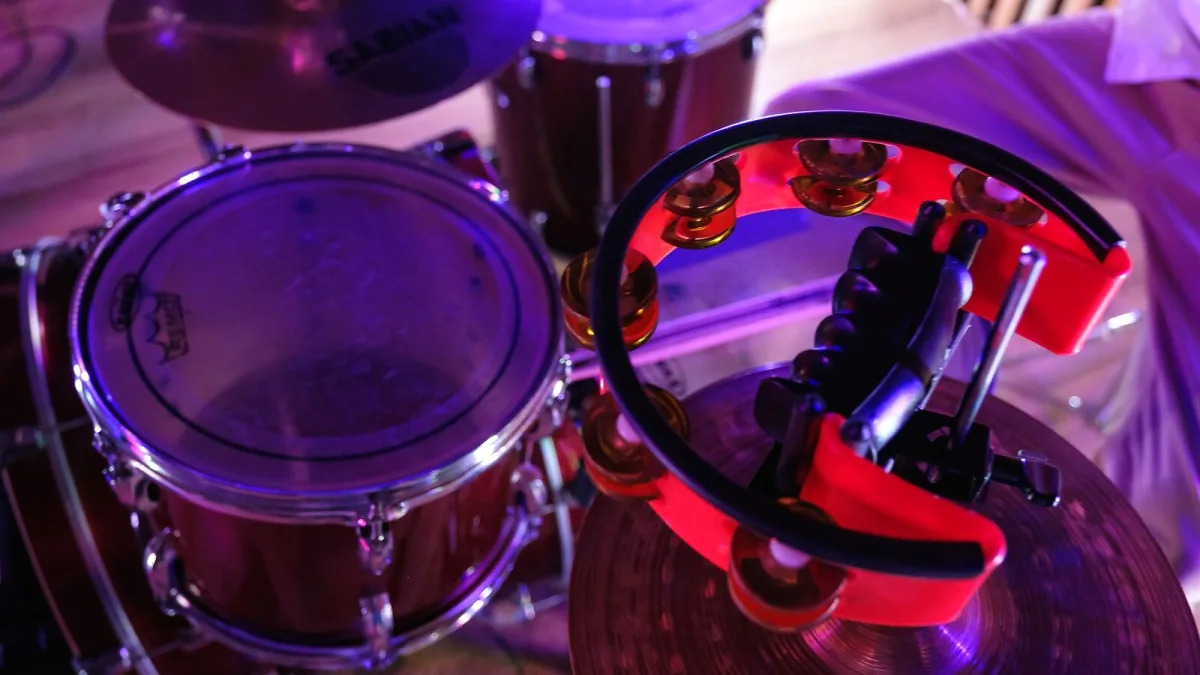
Buying a Sabian cymbal properly means working through a handful of decisions in the right order — role, alloy, series, then the specific model — rather than picking whatever looks good on a shelf. Get the order right and the rest becomes a lot easier to reason through.
Why "Which Sabian Should I Buy" Is the Wrong First Question
It's tempting to jump straight to comparing named series, but that skips the decisions that actually matter most for how a cymbal will work in your setup. A brilliant ride pitched for jazz will feel and sound wrong dropped into a metal kit, whatever series name is stamped on it. Work through role and setting first, and the series choice narrows itself down naturally.
Step One: Decide the Role First
Before anything else, work out what job the cymbal needs to do in your kit:
- Hi-hats — weight relationship between the top and bottom cymbal shapes both the closed "chick" sound and the open spread.
- Crash — diameter, weight and profile control volume, decay speed and brightness.
- Ride — needs bell clarity, bow articulation and wash that stays defined at both low and high dynamics.
- Splash or china — smaller accent or effects cymbals, useful for specific genre textures rather than core timekeeping.
Step Two: Match Alloy to Budget and Use
Sabian's entry-level lines use B8 bronze (brighter, more immediate), while its professional-oriented ranges use B20 bronze (broader overtones, more complex sustain). Neither is objectively superior — B20 doesn't automatically mean better, and B8 doesn't automatically mean worse. It's a genuine trade-off between budget and the kind of complexity you're after.
It's also worth knowing that manufacturing method matters alongside alloy. Cast bronze cymbals are shaped individually and generally lean toward more complex sound, while sheet-bronze construction is stamped from rolled material and typically sits on more affordable lines. Hammering pattern and lathing then fine-tune the final character further, which is why two cymbals with the same alloy and diameter can still sound noticeably different.
Step Three: Match the Sabian Series to Your Musical Setting
| Setting | What to prioritise |
|---|---|
| Rock and metal | Larger, heavier crashes and rides with strong bell definition |
| Jazz | Lighter, darker, more responsive cymbals |
| Funk and pop | Controlled sustain and clean hi-hat articulation, a ride that stays defined under amplification |
| Acoustic or low-volume settings | Worth investigating FRX, though its "lower perceived volume" isn't the same as a true low-volume practice cymbal |
If you want the fuller rundown of what each series (AA, AAX, HH, HHX, XSR, Paragon, Stratus and so on) is actually built for, our full explainer covers the range properly.
Step Four: Actually Listen to a Sabian Before You Commit
Cymbals vary individually, even within the same model and series, because of small differences in hammering and lathing during manufacture. For any serious purchase:
- Listen from the drummer's seat and from a few metres away — the perspective changes noticeably.
- Test at both low and high dynamics, not just one loud hit.
- Check for unwanted harshness or a sustain that dies awkwardly.
- Play it alongside the rest of your actual kit, not in isolation.
Buying a Used Sabian: What to Check
A used Sabian can be excellent value, but inspect properly before buying:
| Check | Why it matters |
|---|---|
| Keyholing (an elongated hole around the mounting hole) | Indicates wear from improper mounting or heavy use |
| Cracks, especially radiating from the edge or bell | Structural damage that will worsen with playing |
| Dents and edge damage | Affects both tone and structural integrity over time |
| Overall surface condition | Heavy corrosion or pitting can indicate poor storage |
Don't Forget Mounting and Care
A great cymbal poorly mounted will underperform and wear out faster. Use proper felts and sleeves, don't overtighten the wingnut, and let the cymbal move naturally rather than clamping it rigid. Sabian's cymbal guide notes a two-year warranty on its B8 and B20 cymbals, though it's worth checking the current regional policy before you buy. If you're new to all this, our beginner's guide covers the setup basics properly, and it's worth reading our common mistakes before your first purchase.
Bottom Line
Work through role, then alloy, then series, then the specific model — and always listen to a Sabian in person where you genuinely can. Do that, and a Sabian purchase becomes a considered decision rather than a guess based on a shiny shelf display.





Comments