


Triangle Music Instrument roundup
Triangle Music Instrument: A Complete Buyer's Guide
It looks like the simplest instrument you could buy. Once you start comparing real models, there's more genuine variation than you'd expect.
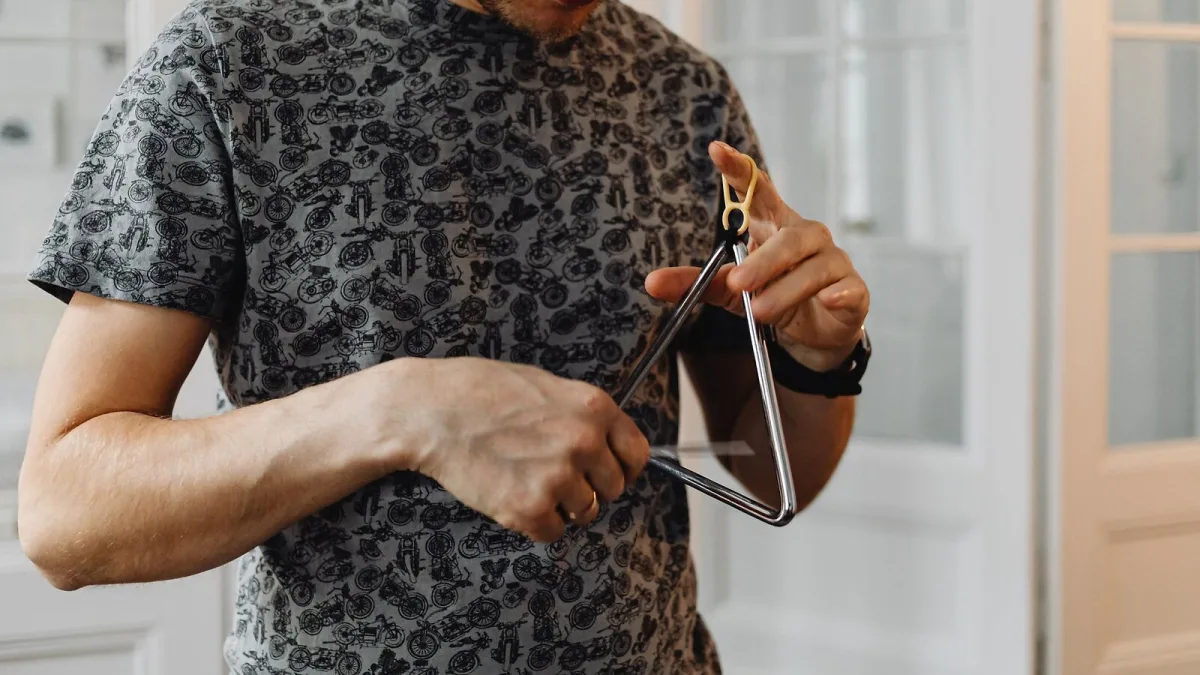
A triangle music instrument looks like the simplest thing you could possibly buy — a bent bit of metal, done. But once you start comparing actual models, there's more genuine variation than you'd expect, and it does change how the thing sounds and responds in your hand. Here's what to actually pay attention to.
Material: Steel vs Bronze
Most versions of this triangle music instrument are made from steel, and it's a perfectly good choice for most players — bright, reliable and consistent. Specialist manufacturers also produce bronze models, generally aimed at players chasing a lower relative pitch or a different tonal character than standard steel gives you. Neither material is objectively "better"; it's a genuine tonal choice, so it's worth listening to (or asking a dealer to demonstrate) both before assuming steel is simply the budget option and bronze the premium one.
Rod Diameter: The Spec That Actually Matters
This is the one buyers most often skip past, and it shouldn't be. A thinner rod tends to speak quickly and produce a brighter, more penetrating sound. A thicker rod usually gives you a fuller, darker tone with different sustain characteristics. Neither is "correct" — it depends entirely on what you're using it for, whether that's cutting through a full orchestra or sitting comfortably in a smaller ensemble.
Size Isn't Everything
It's tempting to treat a bigger triangle as automatically better or more "professional," but alloy and heat treatment during manufacturing affect the sound just as much as raw dimensions. Two triangles of identical size, from different makers or batches, can sound genuinely different. Don't shop on size alone — if you can, test the actual instrument or check a manufacturer's specific tonal description rather than assuming bigger equals better.
Suspension System: Clip or Cord?
How the instrument is held affects how freely it resonates, so check what's included:
- Cord suspension — traditional, simple, and allows genuinely free resonance when held correctly.
- Clip suspension — more convenient for quick setup and repeated use, particularly useful for stands.
- Stand-mounted options — useful for studio work or repeated passages where you need both hands free, though check that the mount itself doesn't damp the sound.
A cheap or overly rigid mount can suppress resonance noticeably, so don't treat the suspension hardware as an afterthought when you're comparing models.
Beaters: Check What's Included, Then Buy More
Most instruments come with at least one beater, but beater choice genuinely changes the sound more than people expect:
| Beater type | Character |
|---|---|
| Metal | Bright, immediate, cutting — common for orchestral projection. |
| Wood | Less metallic, drier, more pointed attack. |
| Plastic/synthetic | Consistent and durable across repeated use. |
| Felt | Softer attack, reduced upper-frequency emphasis. |
If you're serious about this instrument, budget for a small selection of beaters rather than relying on whatever's bundled in the box. It's a cheap way to unlock a genuinely wider tonal range from a single triangle.
Matching Your Triangle Music Instrument to Your Use Case
An orchestral player, a Brazilian forró percussionist and a home studio producer all want fairly different things from this instrument — projection and sustain for the concert hall, a comfortable one-handed grip for rhythmic muting techniques, or a controllable, well-behaved decay for close-miked recording. Be honest about what you'll actually use it for before you pick a model, rather than buying the most "orchestral-looking" option by default.
Get the Full Picture First
If you want the background on how this instrument developed and what shapes its sound before you shop, our complete guide to the triangle is worth reading first, and our roundup of the best options by use case can help narrow things down once you know what you need.
The Bottom Line
Buying a good triangle music instrument comes down to matching material, rod diameter and suspension to how you'll actually play it, then budgeting a little extra for a decent set of beaters. Get those right and even a modestly priced instrument can sound genuinely excellent. Before you buy, our piece on common triangle mistakes is worth a quick read too.




Comments