


Drum Key roundup
The Best Drum Keys for the Money
Most drummers underinvest in drum keys until the moment they desperately need one — here is a friendly breakdown of which designs are worth the money and exactly when each one earns its keep.
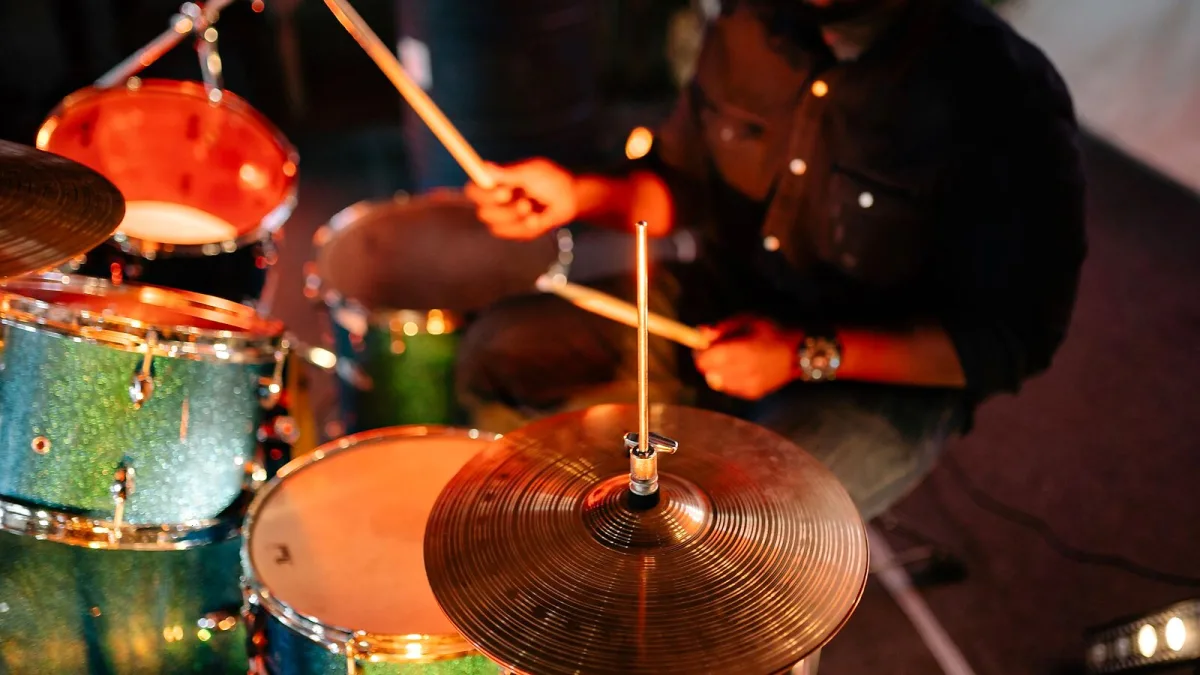
The drum key is one of those items where the gap between the cheapest and most expensive options is surprisingly large — and the right answer for most drummers sits firmly in the middle. Here is a friendly walkthrough of the options that genuinely earn their money at each level.
For Most Drummers: A Set of Standard Keys
The most useful purchase most people can make is simply buying several inexpensive standard keys and distributing them strategically. One in the stick bag, one in the hardware case, one left in the practice room. When you need one mid-session and you have lost the last one — which you will, eventually, because drum keys have a habit of migrating — you want to reach into the nearest bag and find a spare without any drama.
Standard keys from established percussion brands are well-made, properly sized and cost very little individually. Buying a multi-pack is often more economical than buying singles. This is the bedrock recommendation for everyone from beginners to semi-professional players who are not doing anything that requires specialist leverage or speed.
For Regular Head Changes: A Speed or T-Handle Key
If you change heads regularly — whether because you play hard and heads die fast, or because you are a studio or touring player who maintains multiple kits — a speed key or T-handle key saves meaningful time. Spinning down eight tension rods per drum, across multiple drums, with a standard key is not ergonomically ideal. A speed key's crank shape lets you wind quickly; a T-handle's larger grip reduces hand fatigue.
Both designs are available from respected percussion brands at modest prices and deliver a tangible quality-of-life improvement for anyone doing regular head changes.
For Marching Percussion: A High-Torque Key
Marching snare drums, tenors and bass drums run at significantly higher head tension than a standard drum kit. A standard key can struggle to move rods that are under that kind of load, and the reduced leverage makes fine-tuning tedious. DW's Hi-Torq provides the additional mechanical advantage the job requires.
If you play on a standard kit at normal tension, the extra leverage is marginal. If you play marching percussion or regularly work with high-tension instruments, it is worth the investment.
For Tight Spaces: A Ratchet Key
The ratchet drum key solves one very specific problem: turning a tension rod when there is not enough room to swing the handle through a full arc. Behind a bass drum pedal, under a low rack tom or in a crowded hardware setup, a standard key requires awkward repositioning after every part-turn. A ratchet removes that friction entirely — the mechanism clicks through on the return stroke and you work the rod without lifting the key.
As a specialist addition alongside a standard key, it earns its place for any drummer with a cluttered kit or an awkward bass drum position.
The Drill-Bit Key: Worth It in the Right Context
DW's drill-bit drum key attaches to a power driver and makes mass head changes very fast indeed. For a working drum tech or a touring player doing quick changeovers on a backline kit, this is a genuinely useful tool. The investment is modest given the time it saves in the right workflow.
The caveat bears repeating: always finish tuning by hand. A drill applies torque without the tactile feedback that tells you when a rod is overtightened. Use the drill to get rods loosely in place and remove them quickly; use your hands and ears for the final adjustment at pitch.
Summary: What to Buy at Each Level
- First drum key purchase: Buy three to five standard keys and spread them across your gear bags.
- Regular head-changer: Add a speed or T-handle key for winding efficiency.
- Marching percussionist: Add a high-torque key.
- Tight-space problem: Add a ratchet key.
- Touring or studio tech: Add a drill-bit key, used alongside a standard key for finishing.
For a full explanation of the differences between types and what each design is designed to do, the drum key explainer covers everything. And if you are approaching this for the first time, the beginner's guide to drum keys starts from the very beginning.
The Bottom Line
The best drum key investment for most people is simply buying more standard keys than you think you need. After that, a speed key for regular head changes and a high-torque key for marching percussion cover the most common upgrade scenarios. Specialist tools — ratchet, drill-bit, torque — are worth adding when and only when a specific problem makes them relevant. Buy good brands, check socket compatibility, and enjoy never having to ask a bandmate whether they have a spare.



Comments