


Drum Key roundup
Drum Key: A Complete Buyer's Guide
Choosing a drum key is a small decision with a surprisingly specific answer depending on how you drum — here is a clear breakdown of the designs available and which one actually fits your needs.
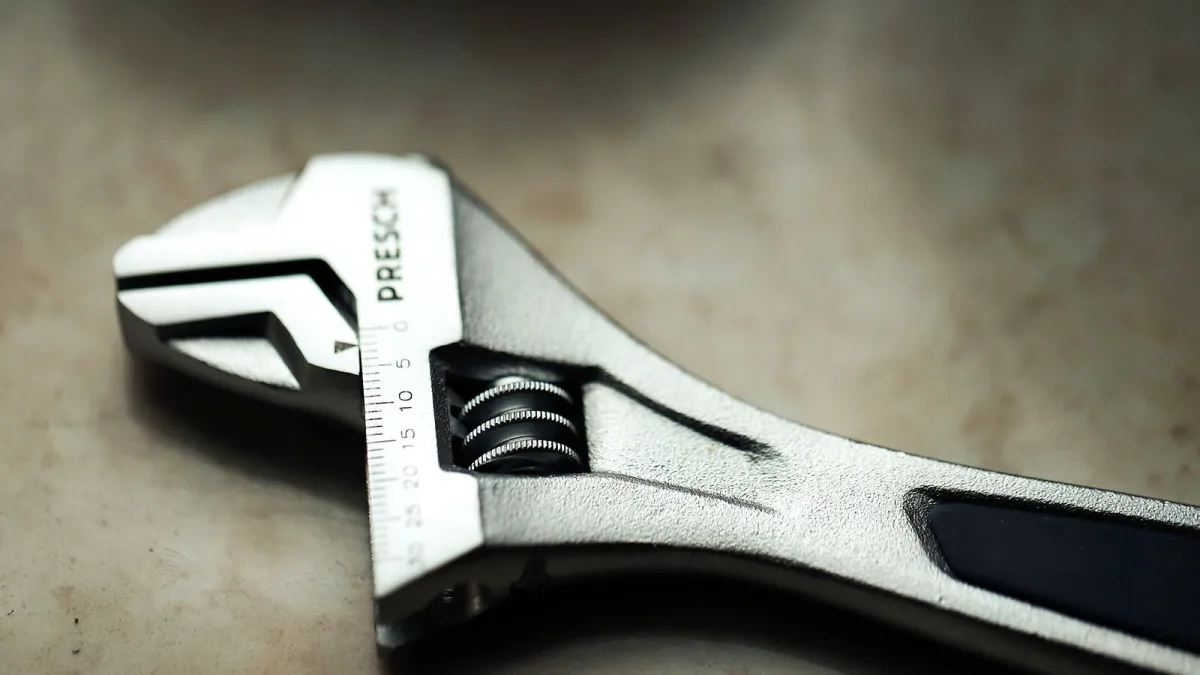
A drum key is perhaps the most underthought purchase in a drummer's gear list — until you arrive at a session with one that does not fit, or try to tune a marching snare with a standard key and find you are basically arm-wrestling the hardware. Getting the right one for your situation is worth thirty seconds of thought. Here is how to do it properly.
The Central Question: What Are You Actually Using It For?
Before anything else, establish what the tool needs to do. A drummer who tunes once a week during home practice needs something different from a touring player doing head changes between shows, or a marching percussionist running high-tension instruments in an outdoor setting. The right design for one context is neutral or mildly wrong for another.
Socket Fit: The Non-Negotiable
The socket is the business end. It has to fit the square head of your tension rods. Most modern drums use a common format, but legacy and vintage instruments — older Ludwig, vintage Slingerland and certain specialty kits — can use different dimensions. A key that does not seat snugly will slip under load, round the rod head and leave you with a hardware problem on top of a tuning problem.
If you are buying a drum key for a specific instrument you have not used before, compare the socket size to the existing rods or the key that shipped with the drum. Assume nothing.
Design Options and What They Solve
Standard key
Buy several. They are inexpensive, compact and widely compatible. Lose one at a gig — which happens — and the financial and practical consequences are minimal. Keep one in every stick bag, every hardware case, every guitar bag that shares a vehicle with drum gear. The standard design handles general tuning and maintenance without difficulty.
T-handle key
The T-bar grip makes sustained rotation more comfortable — useful if you are doing a full head change across a four-piece plus snare and find a standard key tiring to spin repeatedly. Not an essential upgrade, but a comfortable one for players who change heads regularly.
High-torque key
The extra leverage matters for marching percussion and for getting tight drumheads to move at all. DW's Hi-Torq key is the best-known design. For a standard kit at typical rock or jazz tension, the advantage is marginal. For a corps-style snare drum at full tension, it is genuinely useful.
Speed key
Cranks rods on and off quickly — the mechanics are simple and efficient. Good for studio or touring scenarios where time spent changing heads needs to be minimised. The advantage is in speed of rotation, not tuning precision; use a standard key for the final adjustment at pitch.
Ratchet key
Solves the problem of confined spaces. The ratchet mechanism means the handle does not need to be fully lifted and repositioned after each turn — you can work the rod in a small arc. Useful behind a bass drum, under a rack tom or anywhere that the swing of a standard key is obstructed.
Drill-bit key
The fastest option for volume head changes: multiple drums, multiple rods, one sustained burst with a power driver. The caveat is important — mechanical torque can and does overtighten or cross-thread hardware before the sensation reaches the user's hand. Use it to run rods down to loose or to initial snug, then complete the tuning by hand.
Torque key
Adds a torque limit to reduce the risk of mechanical inconsistency. Useful as a first pass to get all rods to a consistent baseline, particularly if multiple people are setting up the same drums. Does not replace the tuning step — equal torque does not always equal equal pitch when hardware friction varies.
Practical Buying Recommendations
| Situation | Best design |
|---|---|
| Home practice, general tuning | Standard key, buy three |
| Regular head changes | T-handle or speed key |
| Marching or high-tension percussion | High-torque key |
| Tight spaces | Ratchet key |
| Fast drum-kit turnaround | Drill-bit key + standard for finishing |
| Multi-player consistent setup | Torque key as a starting point |
What to Actually Spend
Standard drum keys cost very little. Buy several — the cost of replacing a lost one is trivial. Specialist designs cost more and the price range varies significantly. For a drill-bit key or a torque key, buy from a reputable percussion brand rather than an unbranded option: socket tolerances matter when the tool is doing serious work.
For a full breakdown of which specific models are worth the money, the best drum keys for the money goes through the options. And for everything you need to know about using one correctly — including the tuning method — the drum key explainer covers the full picture.
The Bottom Line
Choosing a drum key is not complicated. Know the socket size your drums require. Match the design to the job — standard for everything routine, specialist tools for specific problems. Buy more standard keys than you think you need, and invest in a quality specialist design only if the problem it solves actually affects your workflow. That is the whole decision.



Comments