


Djembe roundup
Djembe: A Complete Buyer's Guide
A practical buying guide for djembes: what to look for in materials, construction and tone, budget ranges, brand recommendations, and how to avoid regrettable purchases.
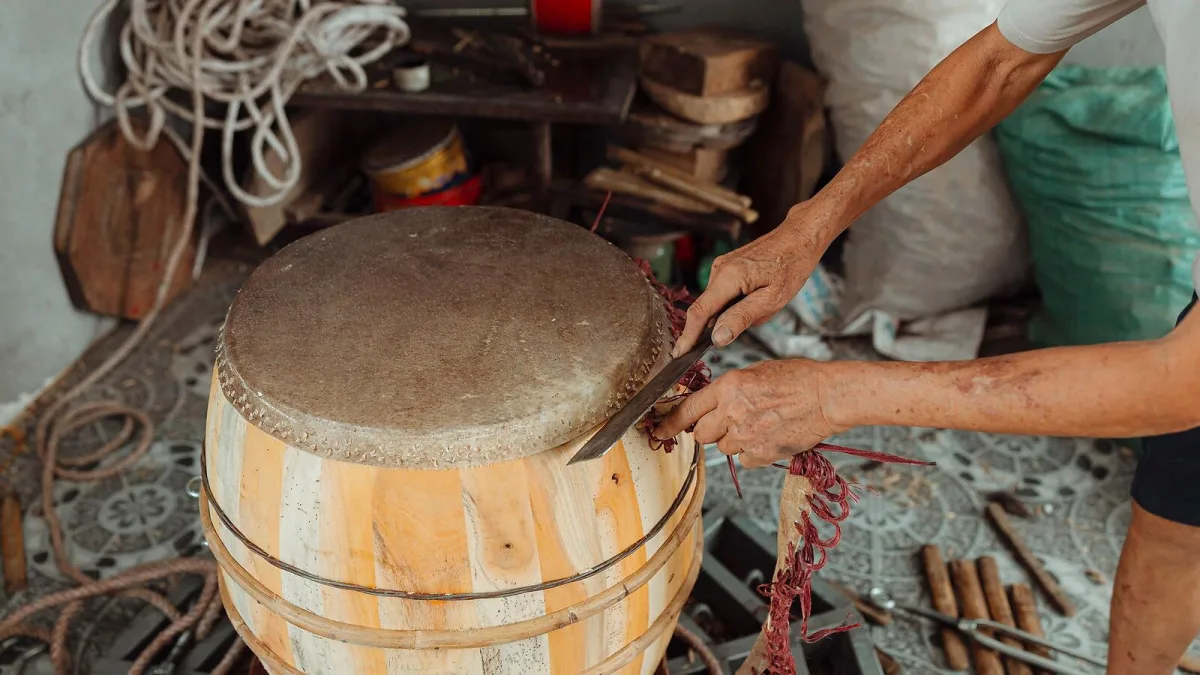
Buying your first djembe is an exciting step into hand drumming, but the market offers plenty of options at different price points, quality levels and construction methods. A smart purchase depends on understanding what separates a playable beginner's drum from an instrument that will respond to your developing technique and justify investment over years of use. This guide walks you through the key factors that affect tone, durability and long-term playability.
Budget and Price Ranges
Djembes range from around £40 for basic entry-level models to £400 or more for professional African or African-made instruments. Understanding what each price bracket offers helps you match your budget to realistic expectations. At the budget end, you get synthetic materials and mechanical tuning that require minimal maintenance and are forgiving of playing errors. Mid-range drums (£120–£200) combine acceptable tone with better construction and real rope tuning, offering a genuine learning experience without the financial commitment of a premium drum. Professional-grade djembes (£250 and up) use quality hardwood, traditional construction methods and superior materials throughout, delivering warmth, responsiveness and the kind of long-term reliability that justifies cost over a decade or more of play.
Shell Material: The Foundation of Tone
The drum's shell material directly affects tone, durability and maintenance requirements. Solid hardwood—mahogany, teak, padauk or rosewood—produces the warmest, most responsive tone and is the traditional choice. Hardwood drums sound richer and respond more noticeably to hand position and technique, making them rewarding as your playing develops. The trade-off is cost and care: hardwood requires protection from temperature swings and dryness, and the wood can crack if exposed to sudden changes.
Fibreglass and reinforced composite shells offer genuine advantages for working musicians and those in variable climates. These materials are consistent, weather-resistant and require almost no maintenance beyond occasional cleaning. The tone is bright and cutting, though some players feel it lacks the warmth of a wooden drum. For ensemble playing and gigging, the reliability and durability often outweigh minor tonal differences. Hybrid construction—a wooden shell with a synthetic bearing ring—attempts to marry the tone of hardwood with the durability of synthetics, though results vary.
Thin plywood shells, sometimes found on very cheap djembes, are generally poor value. They produce a thin, uninspiring tone, require frequent retuning and tend to warp or split. Spending a bit more to avoid plywood altogether usually pays off quickly in terms of playability and satisfaction.
The Head: Natural Versus Synthetic
Traditional djembes use untreated goat or cowhide, which develops character and responds beautifully to hand position. A quality natural head will last years with care and actually improves with playing as the skin learns the drum. The downside is cost (replacement heads run £40–£80) and sensitivity to humidity. In damp climates, natural heads absorb moisture and go slack; in dry conditions, they can crack. Some players love this responsiveness; others find it inconvenient.
Synthetic heads—plastic or coated canvas—are consistent, durable and forgiving of climate change. They require no special care and are less expensive to replace. The trade-off is a slightly less warm, less responsive feel. Many experienced players who tour or play outdoors prefer synthetic heads for their reliability, even if the tone is marginally less character-rich.
Rope Tuning Systems
Traditional sisal or hemp rope tuning is the authentic choice and offers the most responsive feel. Rope allows continuous pitch adjustment throughout a performance and gives the drum a traditional aesthetic. The drawback is maintenance: you need to retune regularly as rope stretches and loosens, and sisal can fray or snap. If maintaining rope tuning sounds like a chore, this may not be for you.
Synthetic paracord is a modern improvement over sisal: it holds tension longer, resists fraying and requires less frequent adjustment. Many contemporary djembes use paracord, which offers nearly the same feel as traditional rope with less fuss.
Mechanical tuning systems (lugs with bolts or turnbuckles) offer the greatest pitch stability and require the least maintenance. Some modern djembes use these entirely instead of rope. The trade-off is that you lose the ability to bend pitch during play, and some players find the mechanism less elegant or less traditional in feel. For a learning drummer, mechanical tuning is perfectly adequate and may be preferable if you want to focus on technique rather than maintenance.
Size and Tone
Most djembes range from 10 to 14 inches in diameter. A 10-inch drum produces a higher pitch and sharper attack, useful if you play in a small space or prefer a bright tone. A 12-inch is the most popular size, offering a balance of portability and pitch range. A 14-inch produces deeper bass notes and a fuller tone but is heavier and takes up more space. Height also varies: a taller drum tends to offer a warmer tone, whilst a shorter drum sounds sharper. If you intend to join drum circles or ensemble play, trying a few sizes before committing helps you find what suits your ear and physical reach.
Construction Quality and Finish
Look for even rope spacing, smooth wood finish, and consistent shell thickness. Poor quality drums have rough edges, uneven rope patterns or visible gaps in the shell. Seams should be tight and smooth. If buying in person, run your hand over the entire drum: rough spots or splinters suggest poor craftsmanship. The bearing ring (the thickened edge where the rope attaches to the shell) should be smooth and well-finished, as this is where your hands contact the drum and where rope tension concentrates.
Reputable Brands and Makers
Some names stand out for consistent quality. Gon Bops (USA) produces high-quality wooden djembes with excellent materials and workmanship. Meinl Percussion offers a wide range at different price points, from affordable beginner models to professional instruments. Latin Percussion (LP) is a long-established name with solid offerings across price ranges. Fiberglass models from Remo and other percussion manufacturers are reliable and predictable, particularly for venue use.
African djembes from West African makers—sourced through specialist retailers—are considered the gold standard for tone, though they come with premium pricing and longer lead times. If you decide to invest in an African drum, work with a dealer who knows the maker's work and can vouch for quality.
Avoid brands sold only through discount retailers or online marketplaces with limited reviews. A djembe is a handmade or semi-handmade instrument, and quality control matters. If a drum seems too cheap, it probably is.
Trying Before Buying
If possible, play a drum before purchasing. Different shells and heads sound and feel quite different, and personal preference matters. Music shops and community percussion centres sometimes allow trial periods. Some online retailers offer 30-day returns, which gives you time to hear the drum in your own playing space before committing. Playing with other drummers or experienced players helps: they can offer honest feedback on tone and playability and might let you try their drum.
The Long View
A well-made djembe will outlast you if cared for properly. Beginners sometimes buy the cheapest option to "see if they like it," only to upgrade within months once they realise a better drum makes learning more rewarding. Spending £120–£180 on a mid-range wooden drum with rope tuning often proves better value than starting with a £50 synthetic and replacing it quickly. If budget is very tight, start with an affordable option and set aside money to upgrade within a year. The better drum will respond to your developing technique and make practice more enjoyable, encouraging consistency and deeper learning.




Comments