


Cymbals roundup
Cymbals: A Complete Buyer's Guide
What to check before you buy cymbals — from matching pieces to your playing to spotting a good one in the shop, with no brand loyalty required.
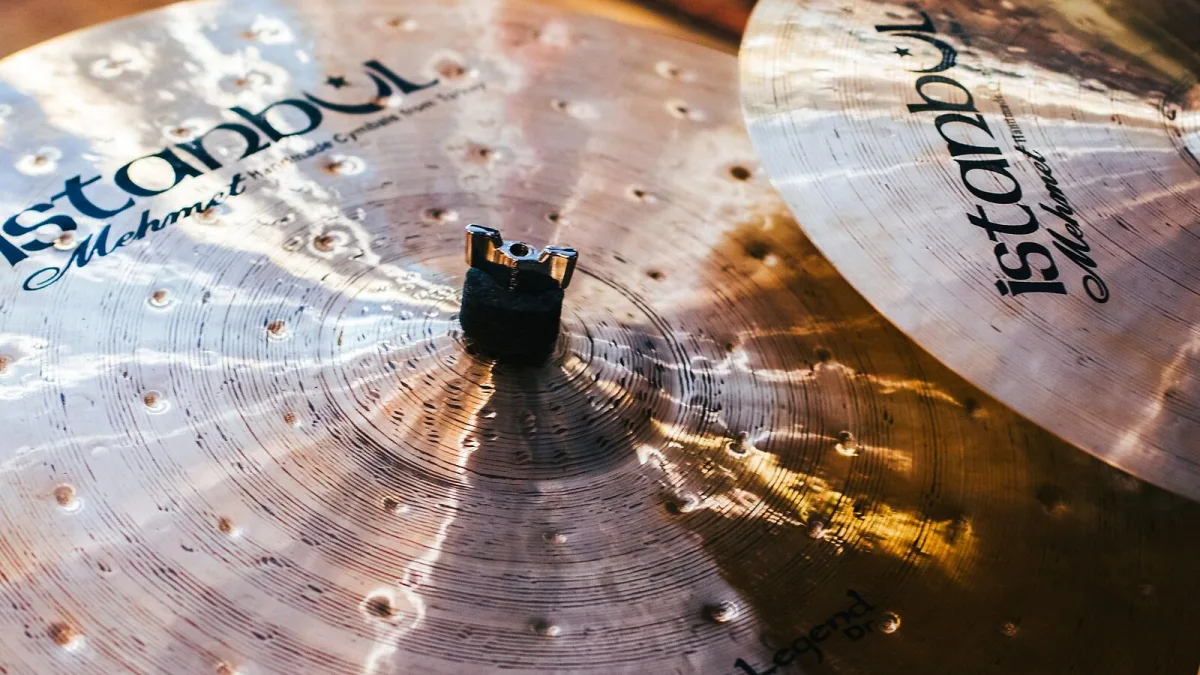
Buying cymbals is a different exercise to buying most other gear, because two instruments with identical specs on paper can sound entirely unlike each other. This guide is built around the questions worth asking before you spend anything: what you actually play, what to prioritise for each piece, and how to tell a good one from a dud in the shop. It skips the history lesson and gets straight to the decisions.
Start With What You Actually Play
The single biggest factor in choosing cymbals is musical context, not brand loyalty. A cymbal that sounds glorious soloed in a shop can disappear the moment a guitarist turns up, and a cymbal built for a heavy rock stage can swamp a small jazz trio. Before you look at a single spec sheet, be honest about the room you play in, the volume around you, and whether you need things to cut through or sit underneath.
If you are still working out what a first setup even looks like, our beginner's guide to cymbals is a gentler starting point than this one.
The Pieces Worth Budgeting For
Most players build a setup in roughly this order, and each piece has its own buying priorities:
- Hi-hats — check the closed “chick”, the open wash, and how controllable the half-open sound is with the pedal. A mismatched pair (bought separately as top and bottom) can sound uneven, so try them together.
- Ride — test the bow for repeated patterns, the bell for projection, and the edge for how it behaves if you crash it. A ride with a lovely bell but a muddy bow is a poor trade.
- Crash — listen for how quickly it opens up and whether it reaches full volume without you having to hit it unreasonably hard.
- Splash and china — these are effects pieces, so buy them last, once you know where a short accent or a trashy hit is actually missing from your playing.
Alloy and Weight: What You Are Paying For
Bronze alloys sit at the centre of the price difference between ranges. B20 bronze (roughly 80% copper, 20% tin) is the standard for professional-tier cymbals, generally associated with a complex, layered tone. B8 bronze (around 92% copper, 8% tin) is the usual mid-range alloy and tends to sound brighter and more direct. Brass cymbals occupy the entry-level bracket — a sensible place to start, but a different instrument in tone and durability terms.
Weight matters just as much as alloy. A thin cymbal responds quickly and has a lower volume ceiling, which suits recording and quieter playing. A heavy cymbal projects further and holds up better under a hard hitter, but can feel slower and less nuanced. Neither is objectively better — it depends entirely on where the instrument will be used.
Boxed Sets Versus Building Your Own
A boxed set (hi-hats, crash and ride sold together) is usually the most economical way into a first serious pair of cymbals, and manufacturers voice them to work well as a matched family. The trade-off is choice: you cannot audition each piece individually before buying. Building a set piece by piece costs more overall but lets you match every cymbal to your own ear, which matters more as you get pickier about tone.
What to Actually Check in the Shop
Specs and reviews only get you so far — a few minutes with the instrument in hand tells you more than any description.
| Check | What you are listening or looking for |
|---|---|
| Strike the bow, edge and bell separately | A balanced spread of tone across all three, not just one strong spot |
| Hold it up to the light | Even hammering and no visible warping across the surface |
| Tap around the edge | A consistent pitch all the way round, not one dull or dead patch |
| Play it at your normal volume | Whether it opens up properly or chokes when you actually dig in |
Buy the cymbal that behaves consistently, not the one that sounds most exciting for a single dramatic hit.
Common Buying Pitfalls
The two mistakes worth avoiding most: buying on brand name alone rather than listening properly, and buying an entire matched set when your playing would actually benefit from mixing weights and alloys across pieces. A wider look at what goes wrong after the purchase — mounting, technique and storage — is covered in our guide to common cymbal mistakes, and if budget is the main constraint, our value round-up breaks the market into sensible tiers.
The Bottom Line
Buying cymbals well comes down to knowing your own playing context, testing properly rather than trusting a spec sheet, and resisting the urge to buy the whole set before you know what you actually need. For the broader picture of how cymbals work before you start shopping, see our full explainer on cymbals.




Comments