


Congas roundup
The Best Congas for the Money
There's no single best conga — only the best one for the music you're playing and the conditions you're playing it in.
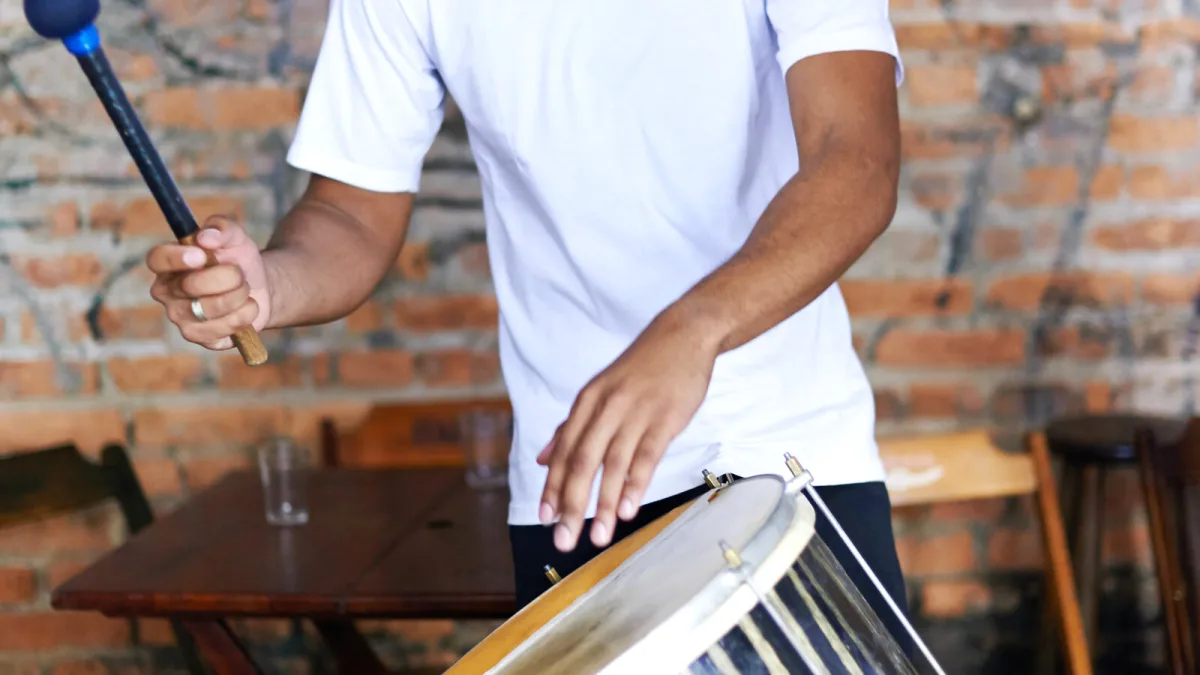
"Best" is a slippery word when it comes to congas, because the right pick depends entirely on what you're actually going to do with the drums. Rather than pretend there's one winner, here's my honest breakdown of the best congas by situation, so you can find your own best fit rather than someone else's.
Best First Drum: A Single Conga or Tumba
If you're just starting out with congas, don't buy a full set. One conga or tumba, whichever feels more comfortable for your hand size and reach, teaches you the bass tone, open tone and early muffled tone without spreading your attention across three drums at once. It's also simply the cheaper way in, and you lose nothing by waiting to add more.
Best for Salsa and Son: A Two- or Three-Drum Set
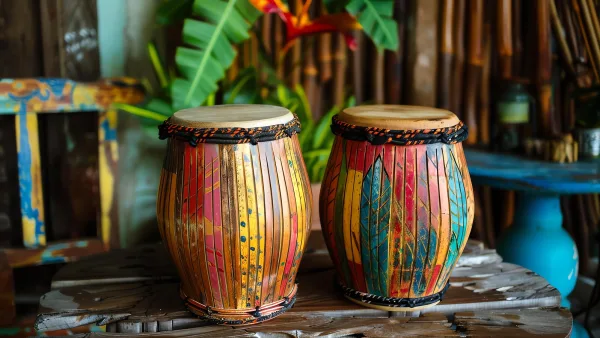
Once you're playing tumbao patterns properly, a conga and tumba pair covers most salsa and son parts, and a third drum, the quinto, opens up lead lines and fills when you're ready for them. This is genuinely where a set of congas starts to feel complete, so it's worth budgeting for a matched set rather than three mismatched drums bought at different times.
Best for Rumba: Prioritise the Quinto
Among congas, rumba gives the quinto a more soloistic, improvisatory role than salsa does, so if that's your main interest, don't leave it for last. A good quinto with a responsive head matters more here than a big low tumba, because the quinto is doing most of the talking.
Best Shell for Traditional Tone: Wood
For congas, if a warm, traditional sound is the priority and you're able to look after the drum properly — keeping it out of extreme heat, cold or damp — a stave-built wooden shell is the classic choice for a reason. It rewards a bit of care with a tone that fiberglass generally doesn't quite match.
Best Shell for Durability and Travel: Fiberglass
Gigging regularly, travelling with the drum, or just want one less thing to worry about in a cold rehearsal space? Fiberglass shells hold up better to knocks and humidity swings, at a small cost to that traditional warmth. For most working players, that trade genuinely makes sense.
Best Head for Low-Maintenance Practice: Synthetic
Practising daily in a room where temperature and humidity aren't controlled? A synthetic head holds its tuning far more reliably than rawhide, so you spend more time playing and less time retuning. Rawhide still has its place for players chasing a specific traditional feel, but synthetic is the easier daily companion.
Best for Recording: A Matched Wooden Set
In the studio, subtle differences between drums show up far more than they do live, where a room and a full band cover a lot. A matched wooden set, close-miked with a second room mic if you can manage it, tends to give the richest, most consistent results across quinto, conga and tumba. It's not the practical choice for gigging every week, but for a session where tone is everything, it's worth the extra care congas of this kind demand.
Best for Smaller Hands or a Younger Player
A quinto-sized drum, or a manufacturer's smaller "junior" congas, gives a lighter head response that's genuinely easier to play well for smaller hands, rather than forcing technique onto a head that's too large and unresponsive at low velocity. Don't assume bigger is automatically better here — comfort and response matter more than size while the basic strokes are still being learned.
Best Value: What to Prioritise on a Tight Budget
| Priority | Spend on | Save on |
|---|---|---|
| Learning the basics | One solid, well-built drum | A full three-drum set |
| Long-term reliability | Smooth-turning hardware | A fancy finish or colour |
| Low upkeep | A synthetic head | A vintage-style rawhide head |
For the full reasoning behind these calls, see our congas buyer's guide.
Best for Absolute Beginners
New to congas and hand percussion entirely? Don't worry about wood versus fiberglass on day one — focus on a comfortable, well-set-up single drum and learning proper hand position. Our beginner's guide walks through exactly that.
The Bottom Line
There's no single best set of congas out there — only the best one for the music you're playing and the conditions you're playing it in. Work out your actual use case first, and the shell, head and set size decisions get a lot easier. Once you own a set, our piece on common mistakes to avoid is worth a read too, and our full explainer covers how the instrument works if you want the bigger picture.



Comments