


Vinyl Record Cleaner Machine roundup
Vinyl Record Cleaner Machine: A Complete Buyer's Guide
Buying a record cleaning machine properly means matching it to your actual collection, not just picking the shiniest box on the page.
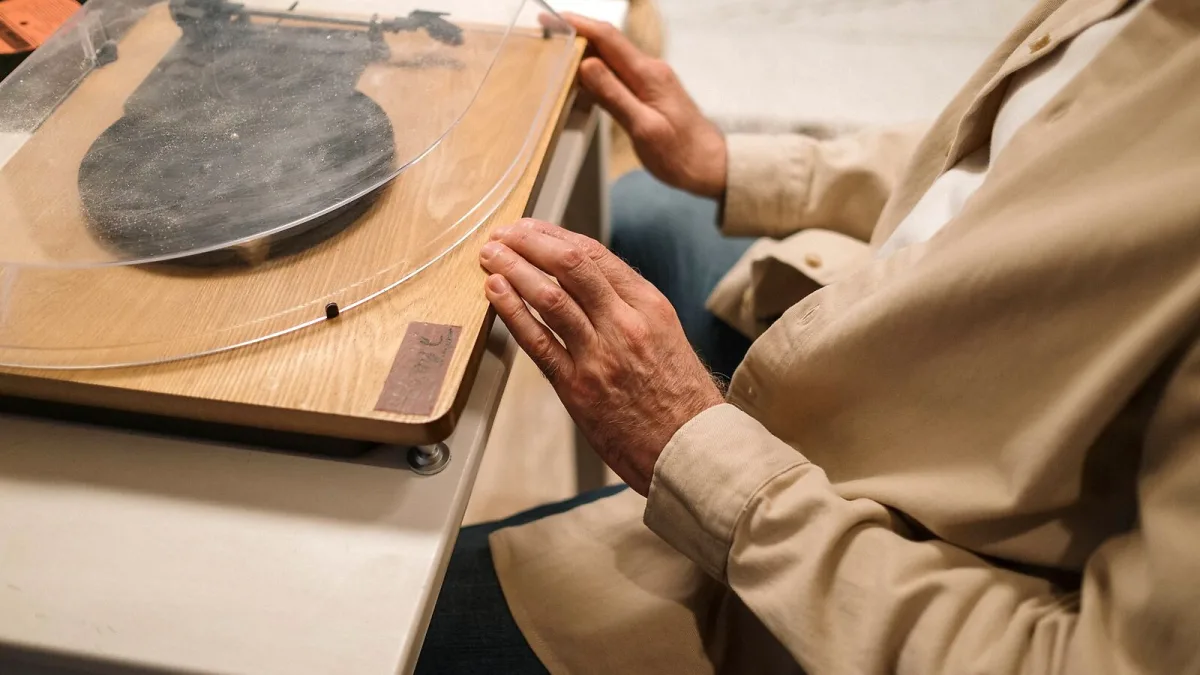
I've spent long enough around record collections, mine and other people's, to know that buying a vinyl record cleaner machine is a decision worth actually thinking through, not just picking whatever's cheapest on the day. The right choice depends on how many records you've got, how dirty they tend to be, and how much fuss you're prepared to put up with. Let's work through it properly.
Start With Your Collection, Not the Machine
Before you look at a single product, be honest about your situation. A modest collection of records you keep reasonably well cared for needs something very different from a few thousand second-hand finds accumulated over years of crate-digging. Collection size, typical condition and how often you're adding new (or new-to-you) records should all shape the decision before brand or price enters the conversation.
The Three Categories, Compared
| Type | Typical cost | Effort involved | Best suited to |
|---|---|---|---|
| Manual washer | Roughly $100–$200 | You do the rotating, brushing and drying by hand | Modest collections, tight budgets, pre-cleaning duty |
| Vacuum machine | Roughly $300–$600 entry-level | Fluid, brush, then automated vacuum extraction | Regular second-hand buyers wanting direct control |
| Ultrasonic machine | Roughly $500–$1,500 and up | Automated wash-and-dry cycles, but water and filtration to manage | Larger or valuable collections wanting batch processing |
Treat these figures as a general guide rather than gospel — prices shift, and generic "best machine" roundups online change their rankings often enough that they're not worth treating as settled fact. I'd rather trust a specialist review that's actually spent proper time with a unit than a shopping page that reshuffles its top five every few months depending on which retailer is paying for placement that week.
Names Worth Knowing
On the vacuum side, Pro-Ject, VPI and Loricraft have long, well-established reputations, with Pro-Ject's smaller models a common entry point into automated cleaning. Spin-Clean is the name most associated with manual washing done properly. On the ultrasonic side, Degritter, HumminGuru and Kirmuss have driven a lot of the recent automation, with reviewers noting genuine reductions in ticks and surface noise when the process is done properly. None of these guarantee a miracle on a genuinely worn record, but they're a sensible starting point for research rather than a random online search.
What the Sticker Price Doesn't Include
- Cleaning fluid. An ongoing cost, and not always interchangeable between machine types.
- Distilled or deionised water, particularly for ultrasonic systems, where mineral residue from tap water is a real concern.
- Replacement parts — vacuum lips, brushes and filters wear out and need periodic replacing.
- Drying accessories, if your chosen machine doesn't handle that stage automatically.
Factor these in properly before comparing sticker prices, or you'll be caught out by the real running cost a few months in. It's the same lesson I learned decades ago with hi-fi generally — the box on the shelf is rarely the whole story, and the consumables and upkeep behind it are what actually decide whether you keep using something properly or let it gather dust in a corner.
Vacuum or Ultrasonic: The Real Decision
Choose a vacuum machine if you want a proven, one-record-at-a-time workflow with direct control over brushing and fluid, and you don't mind a bit of noise. Choose ultrasonic if you're managing a larger or more valuable collection, want to batch-process, and are genuinely prepared to look after water quality, filtration and drying properly rather than treating it as fit-and-forget. Neither is objectively superior — they suit different collectors and different habits.
If you're not sure this is worth the investment at all yet, our beginner's guide is a gentler starting point, and our full overview covers the underlying mechanics properly.
Pre-Purchase Checklist
| Check | Why it matters |
|---|---|
| Collection size and typical condition | Determines whether manual, vacuum or ultrasonic actually fits |
| Ongoing fluid and water costs | The real running cost, not just the sticker price |
| Drying method included or separate | A record sleeved even slightly damp risks mould and residue |
| Availability of replacement parts | Vacuum lips, brushes and filters all wear over time |
| Noise level | Vacuum machines in particular can be genuinely loud |
Once you've chosen and unboxed one, our step-by-step setup guide covers the proper workflow, and it's worth reading our common mistakes before your first cleaning session.
Bottom Line
Buy a vinyl record cleaner machine for your actual collection and habits, not for the one with the most impressive marketing copy. A modest manual washer used properly will outperform an expensive automated system used carelessly, every time. Get the fundamentals right, and whichever tier you choose will serve you well for years.




Comments