


Vinyl Record Cleaner Machine article
Common Vinyl Record Cleaner Machine Mistakes to Avoid
Most cleaning mistakes come down to impatience or the wrong fluid, not the machine. Here's what actually trips people up, and how to avoid it.
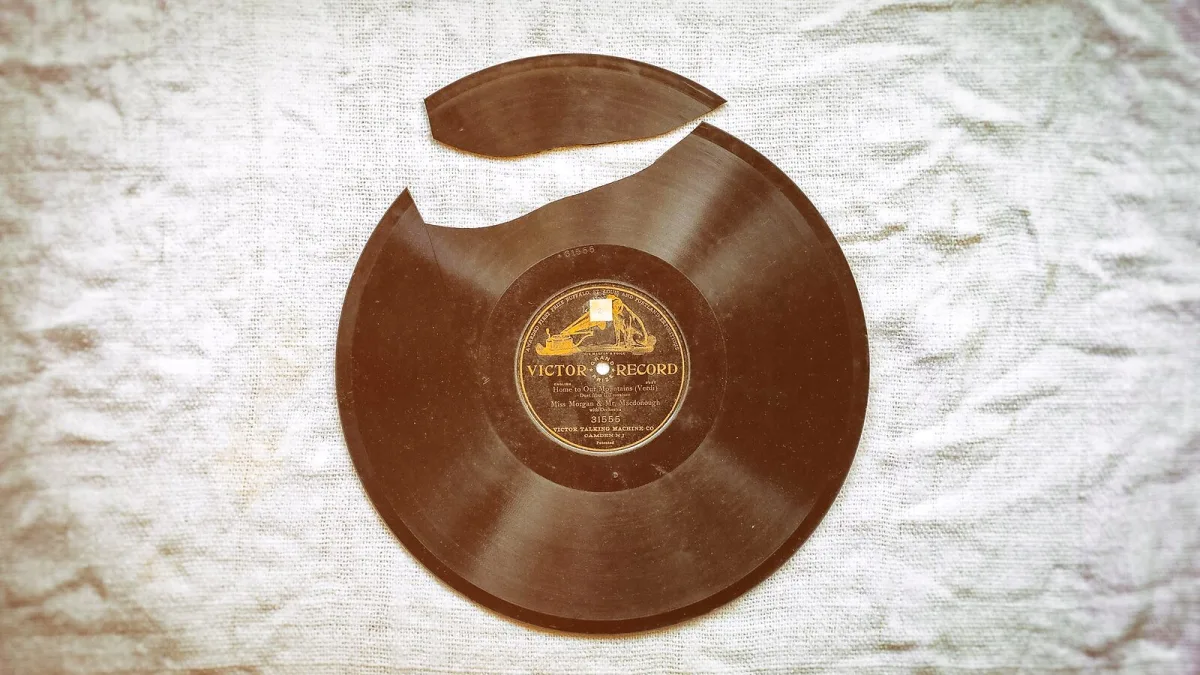
I've made a fair few of these myself over the years, usually while excited about a big haul from a car boot sale and rushing the process because I wanted to hear the records rather than fuss over them properly. Whichever type of vinyl record cleaner machine you're using, the same handful of habits trip people up again and again. Here's what actually goes wrong most often, and how to avoid it.
Mistake 1: Over-Vacuuming
More passes with the vacuum arm doesn't mean cleaner — past a certain point it just builds up static, which then attracts more dust straight back onto the surface you've just cleaned. One proper pass, done correctly, beats three rushed ones every time.
Mistake 2: Reusing Contaminated Fluid
Whether it's a vacuum reservoir or an ultrasonic bath, fluid that's already picked up dirt from previous records will start redepositing that dirt onto the next one rather than removing anything. Change or filter it before it gets visibly murky, not after.
Mistake 3: Tap Water in an Ultrasonic Bath
Tap water carries minerals that can leave residue behind as things dry, right in the groove you're trying to clean. Distilled or deionised water is worth the extra small cost, especially for a machine you're using regularly. It's a tiny recurring expense against the alternative of slowly building up mineral deposits inside a machine you've spent real money on.
Mistake 4: Household Detergents and Random Solvents
I get the temptation — it's just soap and water, how different can it be? Genuinely different. Household detergents and unverified solvents can leave residue, damage labels, or react badly with the vinyl itself. Stick to fluids actually designed for record cleaning, matched to your specific machine type.
Mistake 5: Sleeving a Record Before It's Properly Dry
This one's sneaky because the record can look dry on the surface while still holding moisture. Rushing a record into its sleeve before it's completely dry risks mould, residue, and a sleeve that sticks to the label. Give it proper time, every single time, no matter how impatient you are to hear it.
Mistake 6: A Dirty or Worn Vacuum Lip
The part of a vacuum machine that actually touches the record surface needs to be clean and in good condition. A worn or grubby lip can scratch a record or, worse, smear contamination back across the surface rather than lifting it away.
Mistake 7: Adding Surfactant to a Fan-Drying System That Doesn't Want It
Some ultrasonic setups permit a touch of surfactant; others are designed for water-only operation and fan drying. Get this mismatched and the surfactant can dry directly onto the record rather than rinsing away cleanly. Always follow your specific machine's guidance rather than borrowing a routine from a completely different system.
Mistake 8: Dunking a Genuinely Filthy Record Straight Into a Shared Ultrasonic Bath
If a record is visibly caked in grime, pre-clean it with a brush or manual wash first. Putting it straight into a bath other records will also use just spreads that contamination around rather than containing it to one disc.
Quick Reference
| Mistake | Fix |
|---|---|
| Over-vacuuming | One proper pass, not several rushed ones |
| Reused contaminated fluid | Change or filter before it looks murky |
| Tap water in ultrasonic baths | Use distilled or deionised water |
| Household detergents | Use fluid designed for record cleaning |
| Sleeving while damp | Give records proper time to dry fully |
| Worn vacuum lip | Keep it clean and replace when worn |
| Wrong additive for your drying method | Follow your specific machine's guidance |
| Skipping pre-cleaning for filthy records | Brush or manual-wash before an ultrasonic bath |
If you're just getting started, our beginner's guide covers the basics at a gentler pace, and our step-by-step setup guide walks through the correct process from the very start.
Bottom Line
Nearly every mistake here comes down to impatience or the wrong fluid for the job — not the vinyl record cleaner machine itself letting anyone down. Slow down slightly, use the right fluid for your specific setup, and dry things properly, and you'll avoid the lot.




Comments