


Drum Machine article
Drum Machine Explained: Features, Types and Tips
A drum machine generates percussion sounds and sequences them into patterns. Here's how they work, what types exist, and how they shape modern music.

A drum machine is an electronic device or software that generates percussive sounds — kicks, snares, hi-hats, claps, tom fills and effects. They range from simple beat-makers used by bedroom producers to professional studio units costing thousands of pounds, and they've been central to electronic music, hip-hop, dance, and pop production for over 40 years. This guide explains what a drum machine actually does, how it shapes modern music, and what types exist today.
What a Drum Machine Does
A drum machine lets you create, sequence and layer drum sounds without needing a real drummer or live recording of drums. You programme a pattern — kick on beat one, hi-hat on the eighth-note triplet, snare on beat three — and the machine repeats it, allowing you to layer additional patterns, add effects, and build a full arrangement. The result is precise rhythmic timing and unlimited creative control.
The critical element is sequencing: the ability to enter which sounds play at which moments. Early sequencers were hardware knobs and buttons that you'd manually programme. Modern software lets you draw in notes, randomise patterns, and edit in real time. The underlying principle is the same — you're telling the machine exactly what to play.
How Drum Machines Shape Sound
The drum machine's influence on modern music is enormous. The TR-808, released by Roland in 1980, became the sound of hip-hop and Afrobeat because its kick drum has a distinctive personality — deep, booming, slightly artificial. The TR-909 defined techno and house music. These machines didn't just play rhythm; they defined entire genres through their particular sonic character.
Today's drum machines — whether hardware like the Elektron Analog Rytm or software like Ableton's Sampler — offer sound-design tools that let you shape every aspect of a drum hit: pitch, decay, filter, distortion, reverb. The modern producer doesn't just arrange pre-made sounds; they often design them from scratch.
Hardware Drum Machines
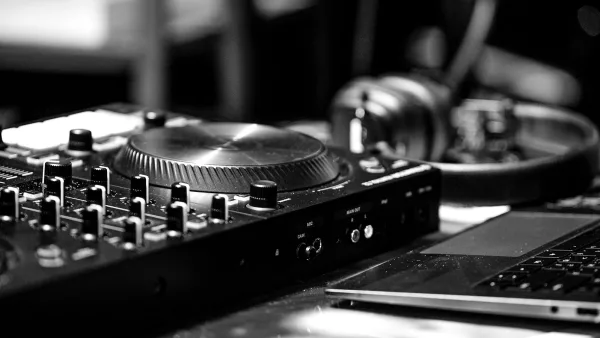
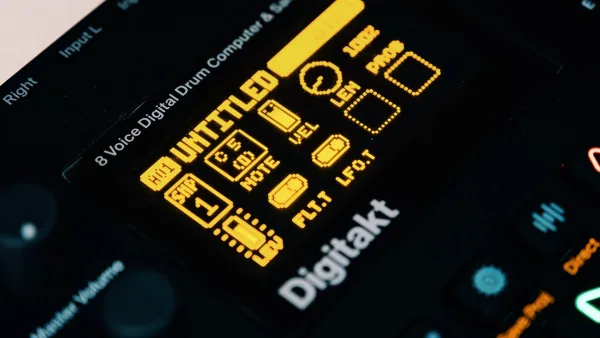
Hardware machines like the Elektron Analog Rytm, Roland TR-8S, or Teenage Engineering Pocket Operator are self-contained, physical instruments with buttons and knobs for real-time interaction. They sound immediately inspiring because you can touch them, tweak them, and hear changes instantly. They cost £200–£1,500+ depending on features and build quality.
Advantages: hands-on workflow, built-in speakers and effects, no screen fatigue, tactile inspiration. Disadvantages: heavier to transport, less flexible for extreme sound-design, usually more expensive than software equivalents.
Software Drum Machines
Software drum machines — plug-ins in your DAW (Digital Audio Workstation) like Ableton Wavetable, Native Instruments Maschine, or FL Studio's native sequencer — cost £50–£300 and run on your computer. They're infinitely flexible, scalable, and can easily integrate with other software.
Advantages: low cost, infinite undo, visual editing, compatibility with other software, built-in sound libraries. Disadvantages: need a computer, less tactile feedback, screen-heavy workflow, learning curve on the DAW.
Hybrid Setups
Many producers use hardware and software together — a hardware beat-maker for hands-on creativity and real-time control, paired with a DAW for arrangement, effects and final mixing. This hybrid approach gets the best of both worlds: the immediate satisfaction of hardware plus the flexibility of software.
Drum Machines in Different Genres
Hip-hop and trap largely rely on drum machines, with classic machines like the 808 and 909 sampled endlessly or emulated digitally. Techno and house demand precise, unwavering timing that only a drum machine delivers. Pop and R&B use drum machines in production, then often layer live drums on top. Rock usually stays with live drums, though some modern rock uses beat-makers too.
The Learning Curve
Basic drum machine sequencing is straightforward — select a pattern length, choose sounds, and enter notes. Mastery — creating nuanced, musical, dynamic patterns rather than robotic repetition — takes time and listening. The best way to learn is to pick a machine that inspires you and spend time with it. Watching producers on YouTube using the same machine is invaluable.
The Bottom Line
A drum machine is not a cheat or a shortcut; it's a creative tool that shaped modern music. Whether you choose hardware or software depends on your workflow, budget and how you like to work — tactilely with buttons and knobs, or visually on a screen. Either way, a drum machine is likely in your future if you make electronic music, produce beats or record pop. Pick one, spend time learning its particular voice, and then use it to make something that didn't exist before.



Comments