


Cdj 2000 roundup
The Best Cdj 2000s for the Money
Original, NXS2 or CDJ-3000 — here's how the three tiers stack up, and which one is actually worth your money.
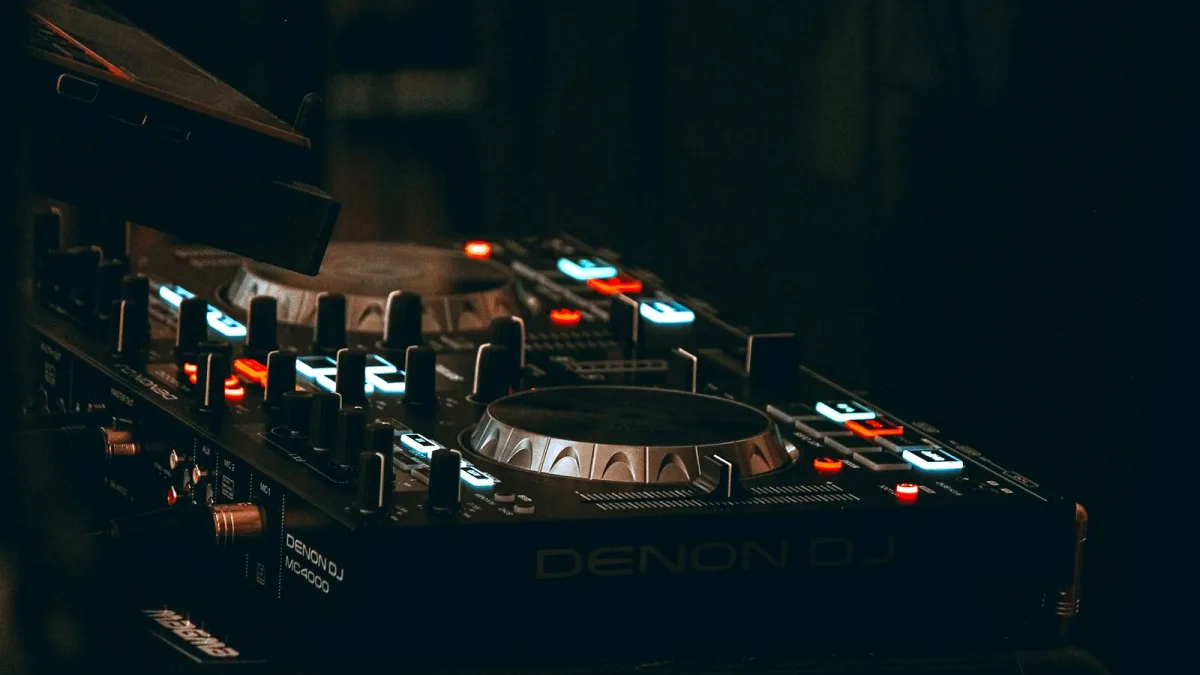
"Best for the money" gets complicated with a deck like this, because the original CDJ-2000 is now an archived product sitting alongside two newer generations that grew out of it. So rather than pretending there's one right answer, let's sort the whole lineup into three honest tiers — budget, mid-range and no-expense-spared — and match each one to the kind of DJ who'd actually be happy with it.
Budget Tier: A Well-Kept Original CDJ-2000
If you want the real club workflow — jog wheel, pitch fader, rekordbox library, the lot — without paying anywhere near current prices, a secondhand original is where your money goes furthest. You're getting a 6.1-inch colour screen, a 24-bit/48 kHz sound card and every core performance control a modern deck still has, just without the touchscreen and the higher-resolution audio interface that came later. For a mobile DJ building a first proper rig, or anyone practising at home before gigging, this original CDJ-2000 is genuinely the smart buy rather than a compromise one. Our buyer's guide covers exactly what to check before you commit, since at this end of the market condition matters far more than spec sheets.
Mid-Range: Stepping Up to the NXS2
A secondhand CDJ-2000NXS2 sits a clear step above the original, and it shows the moment you touch the screen. The 7-inch touchscreen makes browsing a big library genuinely faster, the 24-bit/96 kHz audio through its Asahi Kasei DAC is a real upgrade, and the deeper Hot Cue and beat-grid tools open up performance styles the original simply can't do. It costs more than an original CDJ-2000, but less than buying new, which makes it the natural pick for a working DJ who has outgrown a starter setup and plays often enough to feel the difference.
No Expense Spared: The CDJ-3000
Pioneer's current flagship, the CDJ-3000, replaced the NXS2 generation as the top of the range, and it's the only one of the three you can still buy new with a full warranty. It makes sense for touring professionals, resident club DJs and anyone who needs the newest file support and performance features without worrying about a previous owner's wear and tear. For most home setups and weekend gigs, though, it's considerably more deck than the room actually needs.
Which Tier Actually Suits You?
| You are... | Best fit | Why |
|---|---|---|
| New to club-style DJing | Secondhand CDJ-2000 | Full rekordbox workflow at the lowest entry cost |
| A mobile or wedding DJ upgrading a setup | Secondhand NXS2 | Touchscreen speed and better audio without buying new |
| Gigging weekly or resident at a venue | Secondhand NXS2 or new CDJ-3000 | Reliability and features earn their keep at this frequency |
| Touring or running a professional booth | New CDJ-3000 | Warranty, current features, no inherited faults |
Buy the Pair, Not the Player
Whichever tier you land on, remember a single unit only gets you halfway there — you'll need a matching second deck (or a turntable) and a mixer before you can actually mix a set. Buying two of the same generation secondhand together, from the same seller if possible, is usually cheaper and far less hassle than sourcing them separately over time. If you're picking up your very first deck rather than upgrading an existing setup, our beginner's guide is worth reading alongside this one.
Don't Overpay for Wear
Whatever tier you're shopping in, a scuffed casing is not the same thing as a genuine fault, and it's easy to overpay when you don't know the difference. Our roundup of common mistakes owners make covers exactly that, and if you want the fuller picture of the original deck's full spec sheet and history first, start with our complete overview.
The Bottom Line
There's no single best CDJ-2000 here — there's a budget original, a mid-range NXS2 and a no-compromise CDJ-3000, and the right one depends entirely on how often you play and what you actually need from the booth. Match the tier to your gigging reality rather than the spec sheet, and you'll end up with a deck that earns its keep.




Comments