


Bongo Drumming roundup
Bongo Drumming: A Complete Buyer's Guide
Wood or fibreglass, natural hide or synthetic heads, budget or professional: here is the plain-spoken guide to buying the right pair of bongos.
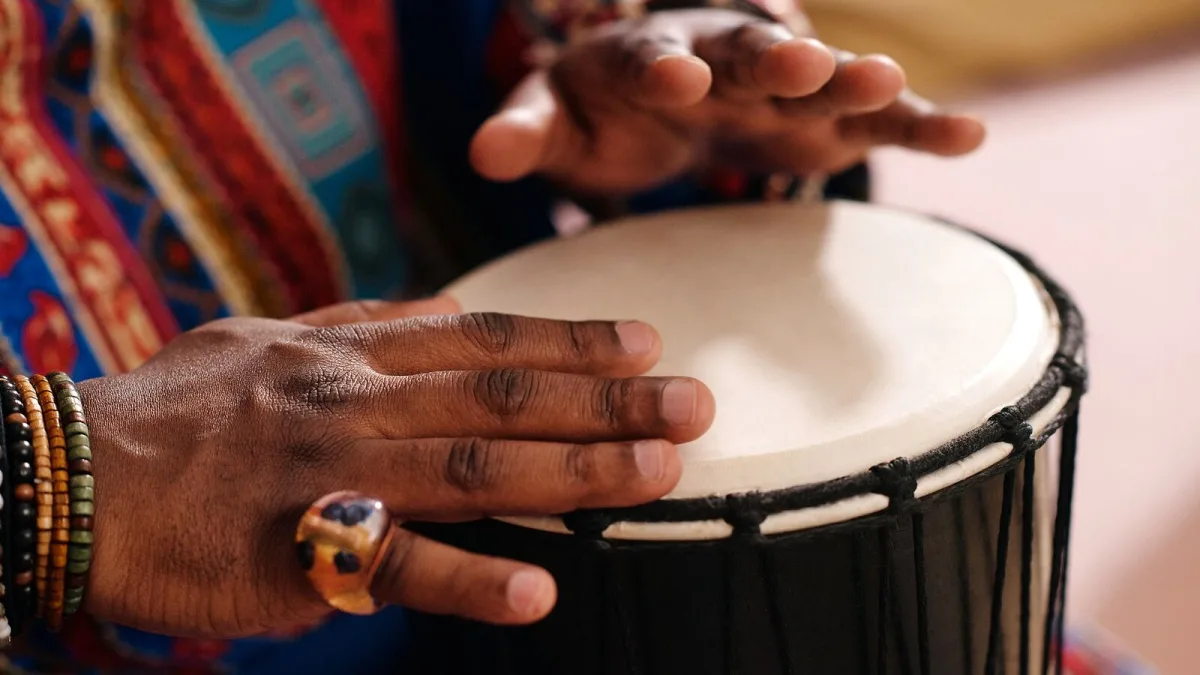
Right, so you have decided to get serious about bongo drumming and want a pair of bongos, only to find there is a bewildering range on offer — wood or fibreglass, natural skin or synthetic, budget or professional. No sales pitch here, just the honest version of what actually matters when you are choosing gear, and what you can quietly ignore. Here is what to check before you hand over any money.
Shell Material: Wood or Fibreglass?
Traditionally the shells are wood, and a lot of players still prefer the way a wooden shell resonates. Fibreglass and other synthetic shells have become common too, and they tend to be tougher, lighter and less bothered by knocks and temperature swings than wood. Neither is objectively "better" — it is a trade-off between traditional tone and everyday durability, so think about how the drums will actually live: in a gigging bag that gets thrown around, or on a stand in a spare room.
Natural Hide or Synthetic Heads?
This is the choice that affects tone, feel and maintenance more than almost anything else.
| Head type | Good for | Watch out for |
|---|---|---|
| Natural hide | Warm, complex, traditional tone; expressive under the hand | Sensitive to humidity and temperature; needs more care |
| Synthetic | Stable in changing weather, consistent response, easy upkeep | Some players find the tone and feel a touch less lively |
If your bongos will travel — outdoor gigs, unheated vans, that sort of thing — synthetic heads will give you far fewer headaches. If they are staying at home in a stable room and you want the classic feel, natural hide is worth the extra care.
Size, Weight and Feel
Larger drums generally give you more body and a fuller low end; smaller drums respond with a sharper, quicker attack. Neither is "correct" for bongo drumming in general — it depends on the sound you are chasing and what sits comfortably between your knees for long practice sessions. Always check the drums feel stable and properly matched as a pair before buying; a mismatched macho and hembra will never sit together right, whatever the price tag says.
Hardware and Tuning
Look closely at the rims, lugs and centre block. You want lugs that turn smoothly with no grinding or slack, a bearing edge that looks even all the way round (an uneven edge will fight you on tuning forever), and a centre block that holds the two drums firmly without wobble. Machine-tunable hardware makes life easier day to day than heads that need re-tacking, especially if you are still learning to tune bongo drumming by ear.
Stands, Straps and Mounting
Most players start out holding the drums between their knees, which is the traditional way and perfectly fine for practice and most performance. That said, a stand is worth considering if you need a consistent posture night after night, play standing, or want your hands completely free for other percussion. A strap can also help if you move around on stage. Neither is essential when you are starting out — add one once you know how you actually play.
What You Will Actually Pay
Rather than throw numbers at you that will be out of date by the time you read this, think in tiers instead:
- Entry-level: functional synthetic-shell or basic wood pairs, aimed at learners and casual players. Fine for finding your feet, just check the heads sit evenly and nothing rattles.
- Mid-range: better hardware, more consistent tuning stability, a noticeable step up in shell resonance. This is where most gigging semi-pros land.
- Professional: premium shells (wood or high-grade fibreglass), superior bearing edges, and tuning that holds under heavy playing. Built for studio work and touring.
Buy the best you can comfortably afford in the tier that suits how often, and how seriously, you will play.
Trusted Names to Know
You will see certain manufacturers again and again once you start looking: Latin Percussion (LP), one of the best-known names in Latin percussion generally; Meinl, which covers both traditional and modern styles across several sizes; Gon Bops, a long-established Latin percussion brand; Remo, known especially for synthetic, weather-resistant heads; Pearl, which also makes bongos alongside its wider percussion range; and Tycoon Percussion, which offers a broad spread of wood and fibreglass options. Knowing the names does not replace checking the actual instrument in front of you, but it is a useful shortlist to start from when you are shopping for bongo drumming gear.
A Quick Pre-Purchase Checklist
- Do the heads sit evenly, with no visible slack or unevenness at the bearing edge?
- Do the lugs turn smoothly, without grinding or excessive play?
- Is the centre block solid, with no wobble between the macho and hembra?
- Does the shell material suit how and where you will actually play?
- Is a replacement head available for this model, should you ever need one?
Before You Commit
If you are still working out how you actually want to play — posture, technique, which tones you will lean on — it is worth reading our beginner's guide to bongo drumming first, and our overview of the instrument if you want the full background. And once you have a pair, our piece on common mistakes to avoid will save your hands and your hardware a fair bit of grief.
The Honest Version
Do not get talked into paying for "professional" features you will never use if you are only playing at home for fun, and do not skimp on hardware quality if you are gigging regularly and need your bongo drumming to hold its tuning under pressure. Check the build with your own hands and ears wherever you can, buy from the tier that matches how you play, and the rest sorts itself out.



Comments