


Brass article
Common Brass Mistakes to Avoid
The small handful of recurring errors that trip up brass instrument players, grouped by playing, maintenance and long-term practice.
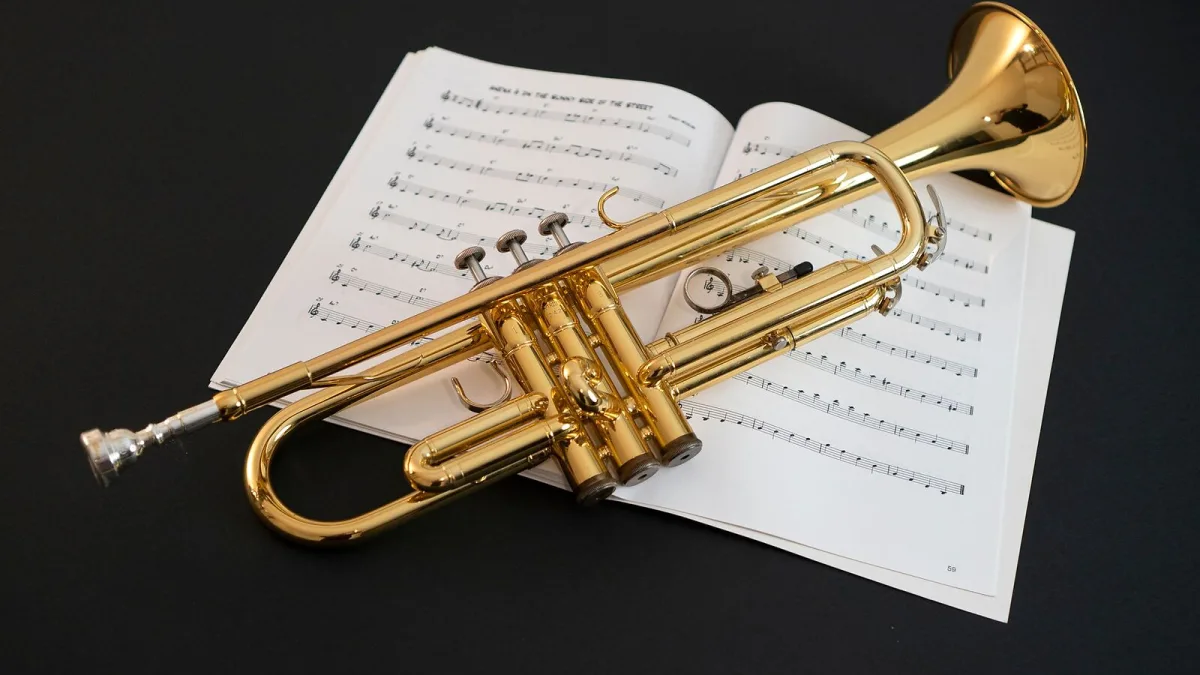
Most of the trouble players have with a brass instrument traces back to a small handful of recurring errors, few of which are ever explained plainly. None of them require talent to avoid — only awareness. What follows is grouped into the mistakes that hold back playing, the ones that quietly damage the instrument, and the ones that undermine progress over the longer term.
Playing Mistakes
Blowing Harder Instead of Faster
Higher notes on a brass instrument come from faster air and a firmer, more focused embouchure, not from simply blowing with more force. Pushing harder tends to distort the tone and tire the lips quickly, whereas increasing air speed while keeping the embouchure controlled reaches the same note with far less strain.
Skipping the Warm-Up
Jumping straight into demanding repertoire on a cold embouchure is a reliable way to sound worse than you are. A few minutes of soft, long tones at a comfortable volume settles the lips and the ear before anything difficult is attempted, and the difference in the first ten minutes of a session is usually obvious.
Ignoring Embouchure Fatigue
Pushing through tired lips does not build endurance; it teaches the body inefficient habits that are hard to unlearn later. A short rest at the first sign of fatigue protects both the current session and the weeks of practice that follow it.
Moving the Slide or Valve After the Note Has Already Started
On trombone in particular, coordinating slide movement precisely with the air, rather than moving the slide a fraction after the note begins, is what separates a clean legato from a smeared one. The same principle of exact timing applies to valve changes on any brass instrument.
Tensing the Shoulders and Neck
Watch a nervous player reach for a high note and you will often see the shoulders creep upward and the neck tighten. This tension restricts breathing and works against the very thing it is trying to achieve. Keeping the shoulders down and relaxed, even under pressure, frees up the air support that actually produces the note.
Maintenance Mistakes
Using the Wrong Oil for the Valve Type
Piston valves and rotary valves need different lubricants, and reaching for whatever oil is nearest rather than the correct type is a common false economy. The wrong oil, or heavy grease used where a lighter oil is needed, can leave valves sluggish or unpredictable.
Forcing a Stuck Slide or Valve
A stuck tuning slide or valve should go to a repair technician, not be persuaded with pliers or brute force. Forcing it risks bending or splitting the metal, turning a simple, cheap fix into a genuinely expensive one — exactly the kind of damage that separates a well-kept instrument from a tired one when it comes time to weigh what real value looks like at each price tier.
Neglecting the Mouthpiece
A mouthpiece that is never cleaned collects residue that affects both hygiene and response. Warm water and a proper mouthpiece brush, done regularly, is a small habit with an outsized effect on comfort and tone.
Skipping Regular Flushing
Beyond daily wiping, a brass instrument benefits from a periodic flush with lukewarm, mild soapy water and a suitable flexible brush. Skip this for too long and the build-up inside the tubing can genuinely affect both airflow and tone, not just appearance.
Storing It Damp
Putting the case away before the exterior and the inside of the bell have properly dried encourages tarnish and, over time, corrosion under the finish. A quick wipe-down and a few minutes standing open before the case is closed costs nothing and prevents a slow, avoidable decline in condition.
Practice and Progress Mistakes
Comparing Your Progress to Someone Else's
Every instrument, and every player's embouchure, responds at a different pace. Measuring yourself against a bandmate who happens to progress faster on a different instrument, with different lessons and different practice time, is a reliable way to feel discouraged for no good reason.
Treating a Teacher as Optional to Save Money
Habits set without guidance in the first months — particularly around embouchure and breathing — are often the hardest to correct later. A handful of lessons early on tends to save far more time and frustration than it costs.
Practising the Same Thing Every Session
Repeating a familiar warm-up and a favourite piece feels productive, but it quietly avoids the harder skills that actually need attention — wide interval leaps, softer dynamics, or the awkward register just above a comfortable range. A little deliberate variety, even five minutes of it, does more for long-term progress than another full run of something already comfortable.
The Bottom Line
Nearly every mistake on this list is easy to fix once it has been named. Blow faster rather than harder, warm up properly, respect fatigue, use the right oil, leave stuck parts to a professional, and do not skip a teacher to save a little money early on. If you are still deciding which family of brass instrument to commit to in the first place, our guide to how brass instruments work and our beginner's guide are the natural places to start, and our buyer's guide is there when it is time to upgrade.



Comments