


Brass article
Brass for Beginners: A Complete Guide
The practical first steps for a nervous beginner: which brass instrument to start on, renting first, and a gentle daily routine that builds real progress.
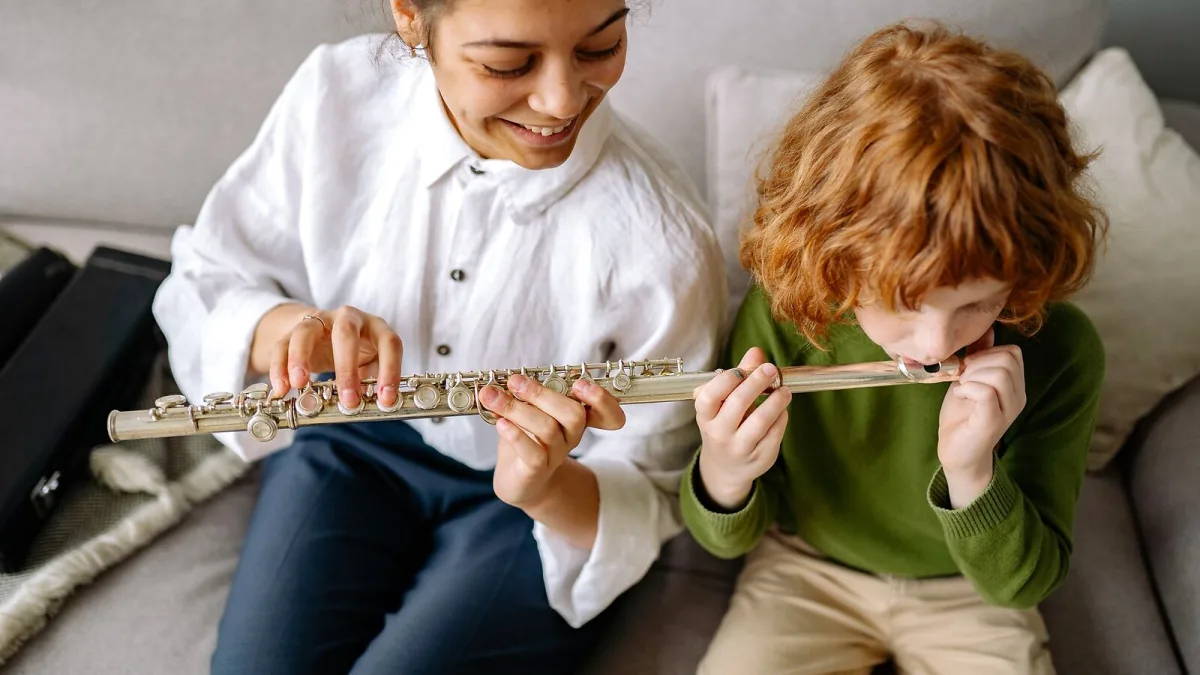
If you have never held a brass instrument before, the thought of making a decent sound out of a cold metal tube can feel faintly ridiculous. Choosing and starting a first brass instrument does not need to be complicated, whatever the shelves of options in a music shop might suggest. Take a breath — nearly everyone's first noise is a splutter, and that is completely normal. This guide is not about theory or family trees; it is about the practical first steps that get a nervous beginner from an empty case to a confident, steady note, without the overwhelm.
Which One Should You Actually Start On?
There is no single right answer, but some starting points genuinely make life easier. The trumpet or cornet is a popular first choice because its embouchure — the way the lips and facial muscles are set to buzz — is relatively approachable and the instrument is light to hold. The trombone asks you to coordinate a moving slide with your breath from day one, which some beginners find rewarding rather than daunting. The euphonium and tuba use a bigger, more relaxed embouchure and a lot of air, which suits players who find a smaller mouthpiece fiddly. None of these is objectively “easiest” — the right one is usually whichever your school, band or teacher already has to hand, since that removes half the decision for you.
Rent First, Buy Later
Almost every good music shop and many local music services will rent out a starter instrument, and for a first attempt this is nearly always the sensible route. Renting keeps the upfront cost low, lets you swap to a different family if the first choice does not suit you, and usually comes with a basic service already done. Buying outright makes far more sense once you know you are sticking with it — and at that point, our complete buyer’s guide will walk you through it properly.
Your First Week Is About Sound, Not Music
Resist the urge to reach for sheet music straight away. The single most useful thing a beginner can do in the first week is buzz on the mouthpiece alone — no instrument attached — until a steady, even tone appears. This trains the embouchure and breath support that everything else depends on. Once that buzz is reliable, attach the instrument and aim for one long, steady note at a time rather than a tune. It will feel slow. It is meant to.
A Gentle Daily Routine
Short, frequent practice beats long, occasional sessions every time, especially at the start.
- Five minutes of mouthpiece buzzing to wake the embouchure up gently.
- Five to ten minutes of long, steady notes, focusing on a smooth, even sound rather than volume.
- A short rest whenever your lips feel tired — pushing through fatigue teaches bad habits, not good ones.
- Finish while it still feels good, even if that means stopping earlier than planned.
What Your First Lesson Might Look Like
Walking into a first lesson with a brass instrument under your arm is more daunting in imagination than in reality. Most teachers spend the opening session on posture, how to hold the instrument without tension in the shoulders, and getting a first clean buzz on the mouthpiece — not on reading music. Do not be surprised if the whole hour passes without a single written note being played; that is normal, and a sign the teacher is building the right foundations rather than rushing you.
It also helps to arrive with realistic expectations for the weeks that follow. Progress on a brass instrument tends to happen in small, sometimes invisible steps, punctuated by the occasional breakthrough day when a note suddenly sits where it should. Both are part of the same process.
Small Habits That Protect Your Confidence
A few simple habits from day one will save you both frustration and money. Empty the water key after every session, wipe the outside of the instrument before it goes back in its case, and never force a stuck slide or valve — take it to a repair technician instead. These are small things, but skipping them is exactly how confident beginners end up with a sticking, unreliable instrument that undermines their progress. If you want the fuller list of what experienced players wish they had avoided, our guide to common brass mistakes is worth a read once you are past the very first weeks.
Finding a Teacher You Can Trust
A good teacher in these early weeks is worth far more than any amount of solo practice, because embouchure and breathing habits set now tend to stick for years, good or bad. Look for someone experienced specifically with your chosen instrument, ask how they approach the very first lessons, and do not be shy about switching if the fit is not right. Local music services, school instrumental programmes and conservatoire outreach schemes are all reasonable places to start looking.
The Bottom Line
Nobody sounds good on a brass instrument in the first week, and that is not a sign you have chosen wrongly. Rent before you buy, focus on sound before music, keep sessions short and frequent, and treat the instrument gently while you learn its habits. Once the basics feel steady, our wider explainer on how brass instruments work is a good next stop for understanding the “why” behind everything you have just started doing by feel.



Comments