


Dixieland Horn article
Common Dixieland Horn Mistakes to Avoid
The same mistakes trip up Dixieland horn players at every stage — knowing what they are makes them easy to avoid from the very beginning.
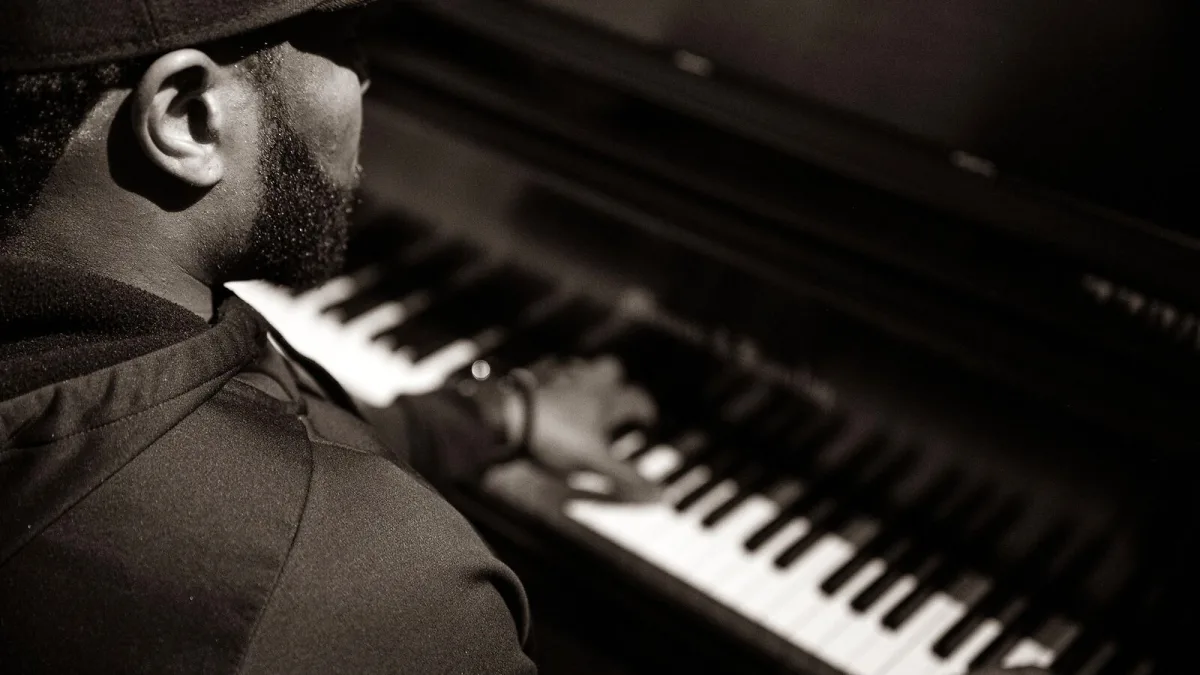
Learning to play a Dixieland horn — cornet, trumpet or trombone in the traditional jazz front line — is one of the more enjoyable journeys in music. It is also one where certain mistakes appear so reliably among beginners and improvers that they are worth naming directly. Understanding what they are, and why they happen, is the clearest way to avoid them.
Choosing the Wrong Instrument for the Role
The Dixieland front line has three distinct voices: lead melody (cornet or trumpet), countermelody (trombone) and the weaving upper line (clarinet). A common early mistake is picking an instrument for superficial reasons — because you like how it looks, or you happened to find one cheaply — without thinking about which voice suits your playing instinct.
Before committing, listen carefully to recordings of traditional Dixieland ensembles and ask yourself which voice catches your attention. That is usually the one you will find most motivating to play. If you are drawn to the lead Dixieland horn, a cornet or trumpet is your instrument; if you are drawn to the slide and the lower countermelody, start on trombone.
Neglecting Embouchure from the Start
The embouchure — the arrangement of lips, jaw and facial muscles against the mouthpiece — is the foundation of brass playing. The most consistent mistake beginners make is not getting this right early, usually because they find a teacher too late or try to teach themselves from online resources alone.
Bad embouchure habits are very hard to unlearn once they are established. A compressed, tense lip position, for instance, limits range and tone quality in ways that become more problematic as repertoire gets harder. Even three or four lessons with an experienced brass teacher at the start can set you on a solid foundation that self-teaching cannot easily replicate.
Practising Too Softly to Avoid Disturbing Others
This one is understandable, but it creates real problems. Playing a cornet or trumpet at low dynamic levels requires a different embouchure adjustment from playing at a natural volume — and if you are always practising at the softest possible level for domestic reasons, you are effectively training for a different task than the one you need to perform.
The solution is practical: find a space where you can play at full volume regularly — a rehearsal room, a community hall, a garden when neighbours are amenable — and do your genuine practice there. Quiet practice on a mute has its place in learning, but it cannot replace open-bell playing.
Ignoring the Ensemble Listening Skill
Dixieland's defining characteristic is collective improvisation — all three front-line instruments playing simultaneously, listening carefully to one another and adjusting. Many players focus entirely on their own part and miss the ensemble dimension entirely.
From the earliest stages, practise listening as well as playing. Listen to the rhythm section, to the other horns, to the space between phrases. In a Dixieland ensemble, knowing when not to play is as important as knowing when to play, and developing that instinct requires attention to what everyone else is doing.
Playing the Head Rather Than the Style
A different kind of mistake: playing the written melody note for note, without the rhythmic inflection and ornamental vocabulary that characterise traditional jazz style. Dixieland phrasing uses swing rhythm (unequal treatment of paired eighth notes), smears, shakes, vibrato and various other expressive devices that are not written in the notation.
Listen to early recordings — Louis Armstrong, King Oliver, Bix Beiderbecke — and transcribe their phrasing as carefully as you can. The style is the music; the notes on the page are only the skeleton.
Buying Too Cheap and Getting Discouraged
A very cheap cornet or trumpet is often more difficult to play than a properly set-up instrument at a higher price point. Stiff valves, poor intonation and a resistant response can all make the first months harder than they need to be — and some beginners give up believing they cannot play when the problem is actually the instrument.
Aim for at least the intermediate grade (£200–£500 new, or a quality used instrument at a similar price). The Dixieland horn buyer's guide explains what to look for, and the best horns for the money covers the options by price tier.
The Bottom Line
The mistakes above are easy to avoid once you know to look for them. Get your embouchure right from the start, find playing space, listen to the ensemble, study the style from recordings, and choose a Dixieland horn that works with you rather than against you. With those foundations in place, the tradition will reward your commitment generously.





Comments