


Dixieland Horn article
Dixieland Horn for Beginners: A Complete Guide
The Dixieland tradition is one of the most welcoming for new players — but the early months require the right focus on embouchure, breath and listening.

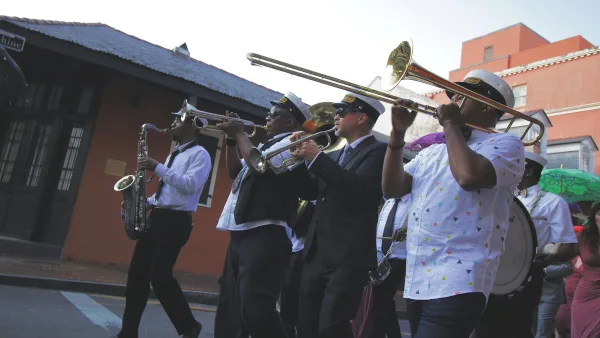
So you want to play Dixieland jazz — or at least, you want to find out whether you might. The good news is that the Dixieland horn (most commonly the cornet or trumpet) is one of the more approachable brass instruments for a beginner, and the Dixieland tradition itself is particularly welcoming to players at the earlier stages of their development. Here is what you actually need to know to get started.
Choosing Your First Instrument
If you are drawn to the lead melody role — the bright, singing line that sits on top of the Dixieland ensemble — you want a cornet or a trumpet.
The cornet is the more traditionally correct choice for early Dixieland style: it has a warmer, slightly more compact tone that sits naturally in the collective improvisation texture. The trumpet is brighter, louder and more widely available for tuition. If you have a teacher lined up, ask which they work with most — it simplifies your lessons considerably.
If you are drawn to the lower, countermelodic role, the tenor trombone is the Dixieland horn for you. The slide mechanism is initially less intuitive than valves, but many players find trombone easier to get a sound out of at the very beginning.
Setting Realistic Expectations
Brass instruments take time. Getting a clear, consistent sound from a cornet or trumpet takes most beginners several weeks of daily practice — the embouchure (lip position and muscle) needs time to develop. You will not sound like Louis Armstrong in a month, and that is entirely normal.
What you can reasonably expect: within three to six months of regular practice, you should be able to play simple melodies cleanly, manage the instrument's basic technique (breathing, articulation, slide or valve control), and understand enough about how the ensemble works to participate in informal Dixieland sessions. The community is generally patient with developing players — the style rewards listening and ensemble awareness over individual showboating.
The Embouchure: Your Most Important Early Habit
The embouchure is the way you position your lips, jaw and facial muscles against the mouthpiece. Getting this right from the beginning is the single most important technical task for a brass beginner, because bad embouchure habits are genuinely hard to unlearn later.
The broad principles: firm corners, a slight outward pressure of the lips (not sucked in), and a relaxed centre. Aim for a natural, sustainable buzz on the mouthpiece alone before putting it in the horn. A good teacher is invaluable here — even a handful of initial lessons can save months of confusion.
Breath and Posture
Brass playing is demanding on the breath. Good posture — upright, open chest, relaxed shoulders — makes a significant difference to how long you can sustain a phrase and how full the tone sounds. Breathing from the diaphragm, rather than the upper chest, gives you the air support the instrument needs. Many beginners breathe too shallowly and run out of air mid-phrase; practising long tones with a full breath is one of the most effective early exercises.
What to Practise First
For the first months, focus on three things:
- Long tones — sustaining a single note clearly and evenly for as long as possible. This builds embouchure and teaches you what a good tone feels like.
- Scales — Bb major and F major are the most useful starting points for Dixieland. They cover the notes that appear most frequently in the standard repertoire.
- Simple melodies — any tune you know and can sing is ideal. Playing by ear is a central skill in Dixieland jazz, and developing it alongside your technique from the start pays dividends.
When you are ready to think about an instrument purchase, the Dixieland horn buyer's guide explains what to look for at different price points. To understand how the instruments work together in the ensemble, the complete Dixieland guide covers everything in detail.
The Bottom Line
Starting on a Dixieland horn is a commitment to a joyful and social musical tradition. The early months take patience — embouchure, breath and scales before anything more exciting. But get those foundations right, and you will find the Dixieland repertoire and its ensemble playing style deeply rewarding. The best way to accelerate is to find a band, find a teacher, and play with other people as early as you comfortably can.




Comments