


Dixieland Horn roundup
The Best Dixieland Horns for the Money
The best Dixieland horn for most players sits firmly in the intermediate grade — here is how to think about each tier, what you gain, and where the real value lies.
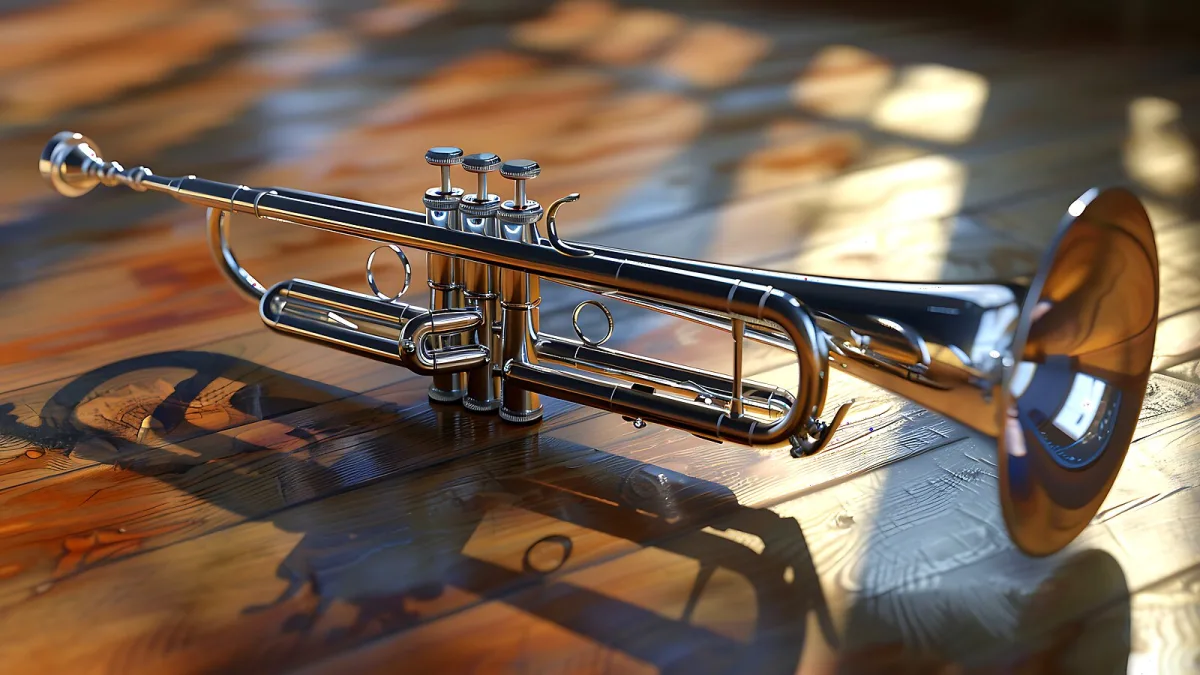
What makes the best Dixieland horn for the money? It depends on what you mean by "best" — authentic period tone, versatility across jazz styles, or simple value for a student just starting out. This guide breaks down the market by category and price tier, without manufacturing benchmarks or inventing product tests, so you can find your footing before making a decision.
The Three Instruments Worth Considering
A Dixieland front line has three brass voices, and the right choice of Dixieland horn depends on which role you intend to play.
- Bb cornet — the most authentic choice for Dixieland, with the warm, slightly compact tone of the New Orleans tradition. The best value cornets at intermediate price points (£200–£500) offer genuinely good intonation and valve action.
- Bb trumpet — brighter and more widely used across jazz styles. The trumpet has a broader second-hand market and benefits from more competition between makers, which keeps quality high at mid-range prices.
- Tenor trombone in Bb/F — the countermelody voice in a Dixieland ensemble. The best trombones for the money at intermediate price deliver a full, warm sound with good slide action.
Student Grade: What You Get and What You Give Up
Student-grade instruments (typically under £200 for a cornet or trumpet) are functional but come with compromises. Valve action is often slightly sluggish out of the box. Intonation at the extremes of the range can be imprecise. Plating quality may not hold up to hard use over years.
That said, a well-adjusted student instrument from a reputable source can absolutely get a new player through their first years. The key is having it checked and serviced before you buy, and pairing it with a quality mouthpiece — this combination punches above the instrument's price point.
Intermediate Grade: The Sweet Spot
The £200–£600 range is where the most meaningful value for a committed Dixieland player lives. At this level you typically get:
- Significantly smoother valve action — this makes a genuine difference to fast passages and extended playing.
- More consistent intonation across the full range.
- Better response in the lower and upper registers.
- Sturdier construction designed for regular use rather than occasional playing.
Many players at this level find an intermediate horn lasts them a decade or more without wanting to upgrade. The jump from student to intermediate is far more consequential than the jump from intermediate to professional.
Professional Grade: Worth It When It Matters
Professional instruments (£600 and above) offer superb intonation, fast and precise valve action, and a tonal consistency that rewards advanced technique. The best cornets at this level produce the full, singing tone that makes a lead horn in a Dixieland ensemble genuinely inspiring to listen to.
For a hobbyist or occasional ensemble player, professional-grade instruments represent diminishing returns. For a working musician who gigs regularly in traditional jazz, the investment in reliability and tone quality is justified.
Second-Hand: The Often-Overlooked Option
The second-hand brass market is excellent, and a used instrument from a quality maker at intermediate or professional level often gives substantially better value than a new student instrument at the same price. Cornets and trumpets do not go out of tune with age in the way that wooden instruments can — a well-maintained horn from twenty or thirty years ago can be outstanding.
Look for clean valves (smooth action, no pitting inside the casings), no significant dents in the bell or leadpipe, and a slide that moves freely. Have it inspected by a brass repairer before committing.
For guidance on what specifications to prioritise at each tier, read the complete buyer's guide. And for a thorough understanding of how the instruments work together in an ensemble, the Dixieland horn overview covers the history and roles in full.
The Bottom Line
The best Dixieland horn for the money is almost always found in the intermediate grade, new or used, from a maker with a track record. For a cornet or trumpet, aim for the £200–£500 range and prioritise valve quality over finish or cosmetics. A well-chosen, well-maintained horn at this level will serve most players through years of Dixieland ensemble playing without ever feeling like a limitation.



Comments