


Dixieland Horn roundup
Dixieland Horn: A Complete Buyer's Guide
Choosing the right Dixieland horn is a matter of knowing which instrument suits your intent, then working through bore, finish and budget in the right order.
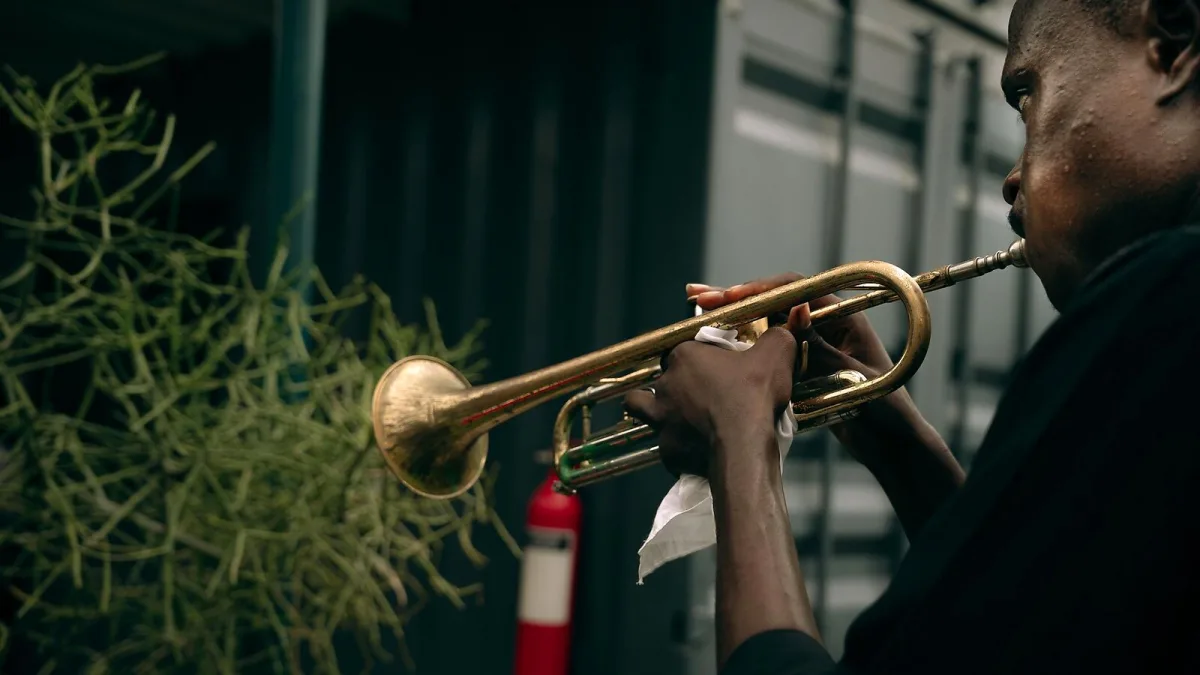
Buying a Dixieland horn — whether a cornet, trumpet or trombone for traditional jazz — requires rather different thinking from buying a classical instrument or a modern jazz tool. The aesthetic priorities are different, the appropriate specification has its own logic, and the market contains some genuine bargains if you know where to look. This guide takes you through the key decisions clearly and without unnecessary mystification.
Which Horn, First
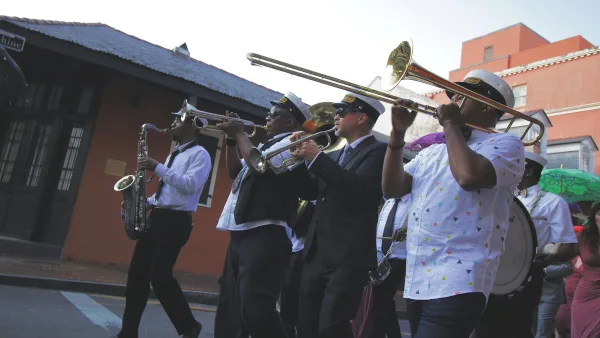
Before discussing specifications, you need to know which instrument you are actually buying. In a Dixieland front line, three brass instruments share the melodic work:
- Cornet — the traditional Dixieland horn, preferred for its warm, compact tone and authentic period character. A Bb cornet is the standard pitch.
- Trumpet — brighter and more projecting than the cornet; the instrument Louis Armstrong used later in his career and the standard choice in most jazz contexts from the 1930s onward.
- Trombone — the tenor trombone in Bb/F is the standard Dixieland trombone. It adds the characteristic countermelody below the lead horn.
If you are specifically after the sound of early New Orleans jazz, a cornet will serve you better. If you have a trumpet background or want an instrument that functions across more jazz styles, the trumpet is more versatile.
Bore Size and Bell Diameter
On a cornet or trumpet, bore size affects resistance and tone character. A small bore (around 11.0–11.3mm) gives a bright, focused tone and suits lighter playing; a medium bore (11.7mm) is the standard for most players; a large bore (11.9mm+) offers more volume and a fuller sound but requires a more developed embouchure. For Dixieland, a medium bore cornet is almost always the right starting point.
Bell diameter affects projection and tone breadth. Larger bells give a broader, warmer sound; smaller bells are more focused and penetrating. Traditional-style cornets tend toward slightly smaller bells for that characteristic warm, slightly enclosed Dixieland horn quality.
Lacquer vs Silver vs Raw Brass
Finish affects appearance and, to a modest but real degree, tone.
- Lacquer — the most common finish; gives a warm, slightly darker tone. The standard for most players.
- Silver plate — brighter and slightly cooler in character, more durable against wear in the hand areas. Popular with orchestral players.
- Raw brass (unlacquered) — some players prefer the feel and claim a more open response; it will tarnish over time and requires more maintenance.
For a Dixieland context, lacquer is traditional and entirely appropriate. Silver is also fine.
Mouthpiece: Often More Important Than the Horn
The mouthpiece has at least as much effect on tone and playability as the horn itself, particularly at lower price points where horn quality differences are marginal. A deeper cup gives a fuller, warmer sound; a shallower cup gives brightness and ease in the upper register. For Dixieland, a medium-depth cup suits the style — warm enough for the period character, bright enough to project over the ensemble.
Most budget instruments ship with a serviceable mouthpiece. Replacing it with a quality medium-cup piece from a reputable maker (Bach, Denis Wick or similar) is usually the single highest-value upgrade on a budget instrument.
Budget Tiers
| Budget | What to expect |
|---|---|
| Under £200 | Student-grade cornets and trumpets. Functional but with variable intonation and plating quality. Adequate for learning and informal ensemble play. |
| £200–£600 | Intermediate instruments from established makers; significantly better intonation, smoother valves, and more consistent tone. The right range for a serious beginner or regular ensemble player. |
| £600+ | Professional-grade horns. Superb intonation, superior valve action, and tonal consistency that rewards advanced technique. Worth considering for committed players who gig regularly. |
Once you have a clear picture of your budget and instrument type, the guide to the best Dixieland horns for the money identifies the categories and types that offer the strongest value. If you are just beginning, the beginner's guide is a better starting point.
The Bottom Line
When buying a Dixieland horn, focus first on the instrument type, then bore and bell, then finish — in that order. The mouthpiece is often the most impactful variable at lower price points. Try before you buy whenever possible: a horn that responds well to your embouchure and sits naturally in your hands is worth more than a more expensive one that does not.



Comments