


Record Cleaning Machines article
Record Cleaning Machines for Beginners: A Complete Guide
Wondering whether you actually need one, or if that's overkill for a modest collection? Here's the honest, beginner-friendly answer.
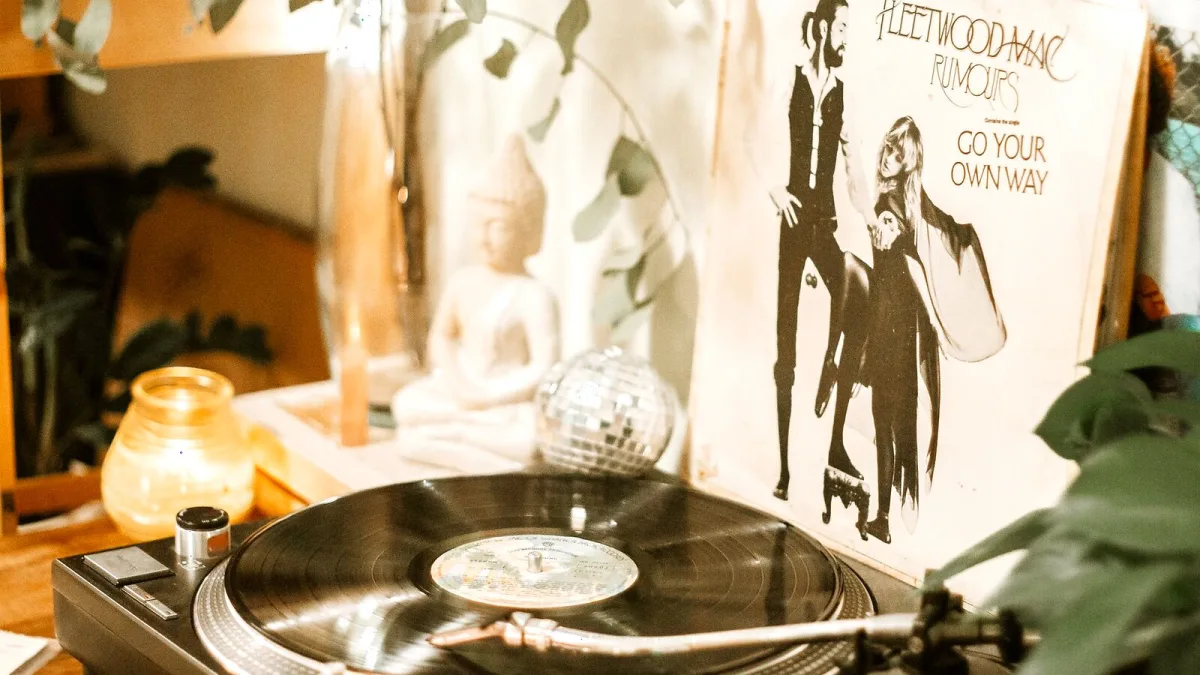
You've noticed your records don't sound quite as clean as they used to, someone's mentioned record cleaning machines, and now you're wondering whether you actually need one or if that's overkill for a modest collection. Fair question. Let's answer it properly, without assuming you already know the jargon.
Do You Even Need Record Cleaning Machines Yet?
Honestly, maybe not straight away. If your collection is small, reasonably well looked after, and you're mostly dealing with light surface dust, a good carbon-fibre brush used before every play will get you a long way. The point where a machine starts earning its keep is usually when you're dealing with second-hand records of unknown history, or a collection large enough that brushing alone genuinely isn't cutting it any more.
The Gentlest Way In
If you've decided it's time, don't feel pressured to start at the expensive end. A manual bath system is the easiest, cheapest entry point — no motor, no electricity, and a genuinely forgiving learning curve. You rotate the record by hand through a fluid bath fitted with brushes, and it's about as hard to get wrong as cleaning equipment gets. Save the pricier vacuum and ultrasonic machines for later, once you know how much cleaning you'll actually be doing.
What You'll Actually Need Alongside It
- A proper cleaning fluid — distilled water with a suitable surfactant, not anything from under the kitchen sink.
- Clean, lint-free drying cloths, kept only for this job.
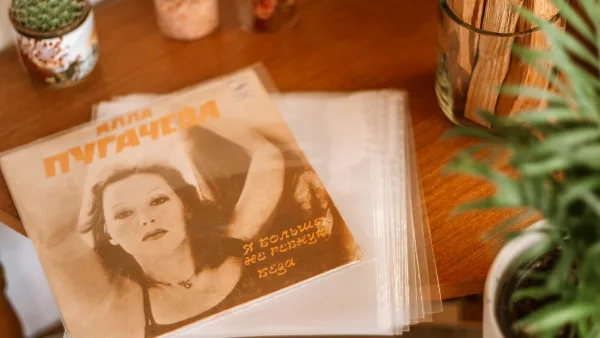
- Fresh inner sleeves, so a newly cleaned record doesn't go straight back into an old, contaminated one.
- A carbon-fibre brush for the dry dust you can remove before any fluid gets involved.
Your First Attempt, Realistically
Pick one record you're not precious about for your first go — not a treasured original pressing. Follow the process slowly: dry brush, protect the label, apply fluid, clean, rinse if needed, dry completely, and only then sleeve it. It will feel fiddly the first time. That's normal, and it gets quick within a handful of attempts.
Common Beginner Worries
- "I'll damage the label." This is exactly what the clamp or label guard is for — use it every single time, no exceptions.
- "I don't know how much fluid to use." Follow the manufacturer's guidance rather than guessing. Too little won't clean properly; too much just means more drying and rinsing.
- "What if it doesn't sound any different afterwards?" A record that was already fairly clean won't transform dramatically. The bigger difference shows up on genuinely dirty or second-hand records.
- "Can I damage a record by cleaning it wrong?" Not sleeving it while damp, or using an unsuitable fluid, are the main real risks — stick to the proper process and you'll be fine.
Where to Go Once You're Comfortable
Ready to understand the full range of options and how they differ? Our features and types guide covers that properly. Thinking about upgrading from a manual system? Our buyer's guide is the next step, and our step-by-step setup guide walks through the full process in more detail than we've covered here.
The Bottom Line
Start simple, start cheap, and don't feel you need the most capable of record cleaning machines on your very first purchase. A basic manual system, used properly and patiently, will teach you everything you need before you ever consider spending more.



Comments