


Mic with Recorder roundup
The Best Mic with Recorders for the Money
Nobody needs 'the best' in the abstract — they need the right setup for this weekend's job. Here's where the value actually sits.
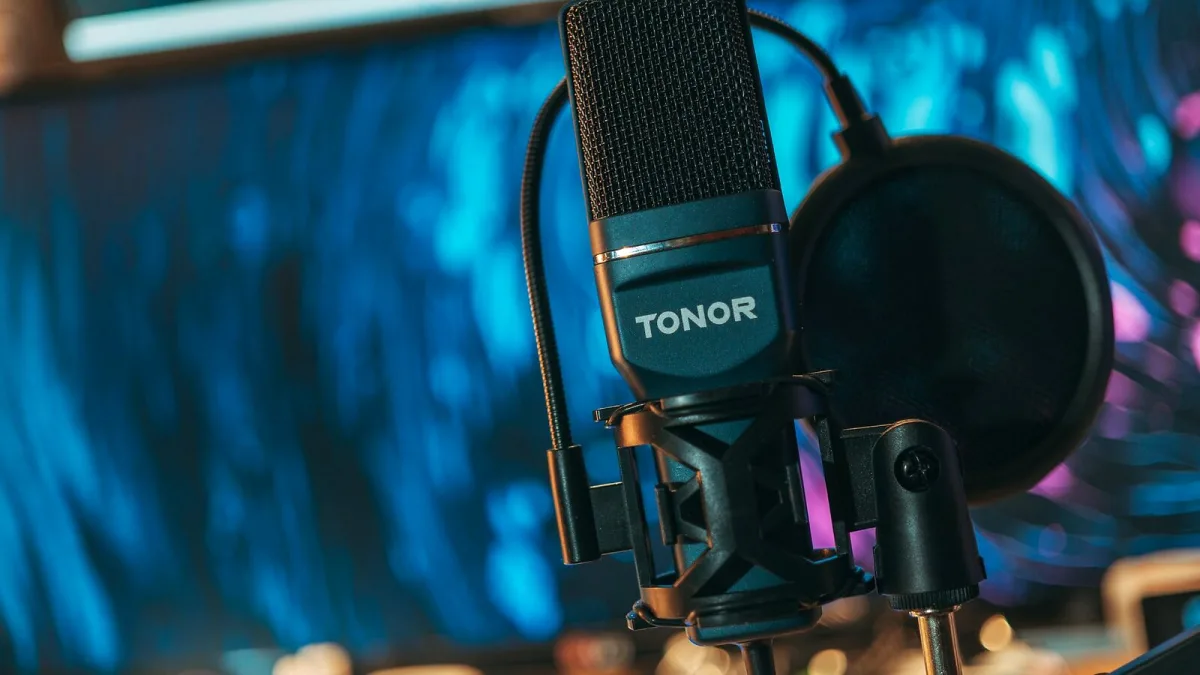
Nobody actually wants "the best mic with recorder setup" in the abstract, and no single mic with recorder pairing suits every job equally well — they want the right one for what they're recording this weekend. So rather than pick a winner, here's where the genuine value sits across the different jobs this kind of gear gets used for.
Best for Casual Rehearsal Capture
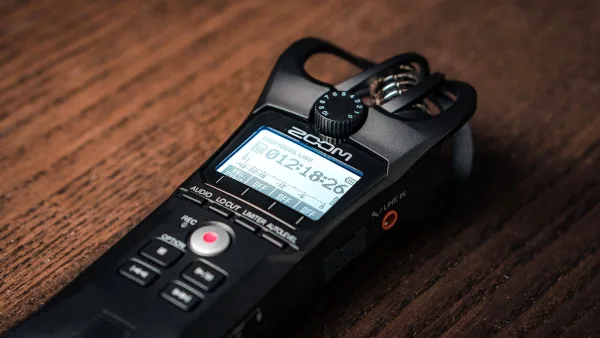
If you mainly want to hit record and check how a rehearsal actually sounded, spend your money on a simple handheld unit with decent built-in stereo mics and don't overthink the rest. You're not chasing studio quality here — you're chasing an honest, quick reference you can listen back to on the drive home.
- Best value when: speed and simplicity matter more than tonal control.
- Skip: anything that demands external mics, phantom power or complicated menus for this job.
Best for Recording a Recorder Instrument
This is where a separate condenser microphone genuinely earns its keep over built-in mics. A large-diaphragm condenser positioned above the instrument, feeding into any recorder with plug-in or phantom power on its input, will consistently outperform built-in capsules for this specific job — because you can actually control distance and angle to manage breath and key noise, which a fixed built-in pair can't do.
Our complete guide covers the exact placement technique if you haven't tried it yet.
Best for Interviews and Podcasting
Here, value shifts entirely toward intelligibility, not width or ambience. A close mono microphone — ideally a lavalier for a moving subject, or a simple handheld dynamic for a seated conversation — beats a wide stereo pair every time. Save the stereo mode for music and room capture; it does interviews no favours at all.
Best for Serious Home Recording
Once you're recording regularly enough that quality genuinely matters, 32-bit-float recording stops being a nice-to-have and becomes worth paying for. The extra digital headroom against unexpected peaks means fewer ruined takes from a performer suddenly playing louder than they did at soundcheck, and that alone justifies the step up for anyone recording live or unpredictable sources often.
Best for Recording Outdoors
Field recording changes the value equation again. Wind protection stops being optional the moment you step outside, and battery life matters far more than it does in a living room with a mains socket nearby. A rugged handheld unit with good built-in mics and a proper foam or furry windshield will beat a delicate studio-style microphone every time once weather gets involved.
Value by Format
| Format | Best value for | Trade-off |
|---|---|---|
| Built-in stereo only | Rehearsals, quick reference recordings | No control over mic choice or placement |
| Built-in mics + external input | Most home users wanting flexibility | Slightly higher cost, more to learn |
| Multitrack recorder | Overdubbing, small ensemble sessions | Bigger, more complex than most people need |
| Lavalier + basic recorder | Interviews, spoken word, video dialogue | Not suited to capturing a full ensemble |
Where Not to Spend Extra
A wildly expensive microphone in a bad, reflective room will lose to a modest one in a treated or naturally quiet space almost every time. If your budget is tight, spend it on a stand, a bit of room treatment or simply a quieter recording location before you upgrade the microphone itself.
Our Take
For most people, the best value sits with a mid-range recorder that has both good built-in stereo mics and an external input with plug-in power — it covers rehearsals, interviews and a recorder instrument's rehearsals without forcing a second purchase down the line. Once you know which job matters most to you, our buyer's guide walks through the exact specs to check, and if you're brand new to any of this, start with our beginner's guide instead.
The Bottom Line
Value here follows the job, not the spec sheet. Match your mic with recorder setup to what you're actually capturing most often, and resist upgrading gear that was never the weak link in the first place.



Comments