


Mic with Recorder roundup
Mic with Recorder: A Complete Buyer's Guide
Stop hunting for 'the best one' and start with what you're actually recording. A practical buyer's guide to a mic and recorder setup.
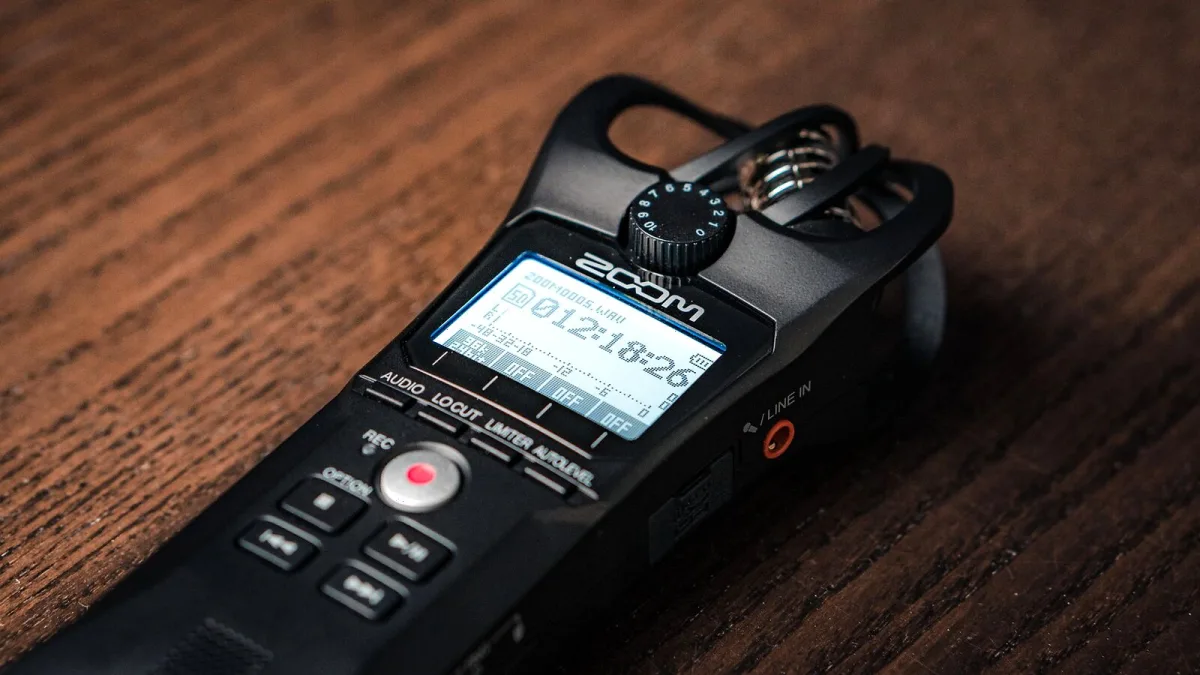
Buying a mic with recorder setup gets a lot simpler once you stop trying to find "the best one" and start with what you're actually recording — a mic with recorder pairing chosen for the wrong job never quite feels right, however good either piece is on its own. A rehearsal, a podcast interview and a recorder recital all want slightly different things from the gear. Here's what actually matters, in the order it's worth thinking about.
Step One: Decide What You're Recording Most
- Rehearsals, practice, room sound: a handheld recorder with decent built-in stereo mics covers this comfortably.
- Solo instrument or recorder recitals: an external condenser microphone into a recorder gives you real control over placement.
- Interviews or podcasts: a close mono microphone, ideally a lavalier, matters more than stereo width.
- A bit of everything: a recorder with both good built-in mics and an external mic input is the sensible middle ground.
Built-In Mics or an External Microphone Input?
A recorder with only built-in microphones is simpler to buy and use, but it locks you into whatever polar pattern and placement the manufacturer chose. A recorder with an external mic input costs a little more and adds a cable, but lets you pick the exact microphone character your recording actually needs — which matters a great deal if you're capturing something as directional as a recorder instrument's airy tone.
Specs Worth Checking
| Spec | Why it matters |
|---|---|
| 32-bit-float recording | Extra headroom against clipping on unpredictable sources — a genuine safety net, not a gimmick |
| External mic input + phantom/plug-in power | Lets you use a proper condenser or lavalier rather than only the built-in capsules |
| Stereo vs mono/multitrack | Stereo suits ensembles and room capture; multitrack matters if you're overdubbing |
| File format (WAV vs MP3) | WAV is worth having for anything you'll edit or mix later |
| Battery life and storage | A dead recorder mid-take is the least forgivable failure in this whole list |
| Headphone output | Non-negotiable — you must be able to monitor what's actually being captured |
Buying for a Recorder Instrument Specifically
If you're kitting yourself out to record a recorder — the woodwind instrument, not the device — a large-diaphragm condenser is the sensible starting microphone, since it gives a smooth, rounded sound without needing to sit right on top of the instrument. Pair it with any recorder that offers phantom or plug-in power on its external input, and you're set for rehearsals and recitals alike.
Do You Need a Separate Mic at All?
Honestly, not always. A well-placed built-in stereo pair on a decent recorder can outperform a cheap external microphone in the wrong spot. Spend your first bit of budget on getting placement and levels right before assuming the microphone itself is the weak link.
Accessories That Aren't Optional
- A stand, clamp or shock mount, so you're not holding the thing steady by hand for twenty minutes.
- Wind protection if you'll ever record outdoors.
- Spare batteries or a tested power bank, and at least one spare memory card.
- Closed-back headphones for accurate monitoring while recording.
Test Before You Commit, Where You Can
Whenever it's practical, try before you buy. Speak into it, play something quiet and something loud, and check the meters aren't lying to you. A shop demo or a borrowed unit for an evening will tell you more about how a recorder actually handles gain and noise than any spec sheet, and it's a much cheaper lesson than discovering a weak preamp mid-project.
New or Used?
A new recorder gives you current firmware and a full warranty, which matters if 32-bit-float support is a deciding factor. Second-hand can be excellent value, but test the input gain controls, headphone output and every microphone capsule for noise or dropouts before you pay — small mechanical wear is common on well-used units and easy to miss on a quick glance.
Budgeting Sensibly
Price a memory card, spare batteries and basic wind protection alongside the recorder itself — none of it is optional once you're actually using the thing regularly. For where genuine value sits across the price range, see our roundup of the best mic with recorder setups for the money.
The Bottom Line
Buy for what you're actually recording, not for a spec sheet that sounds impressive in the shop. If you're still working out what a mic with recorder setup even involves, our complete guide is worth reading first, and once you're set up, our beginner's guide gets you through your first proper session.



Comments