


Piccolo article
The Ultimate Guide to Piccolo
The flute family's smallest, highest voice explained: why it isn't just a tiny flute, which material to choose, and how to tackle its trickiest challenge — tuning.
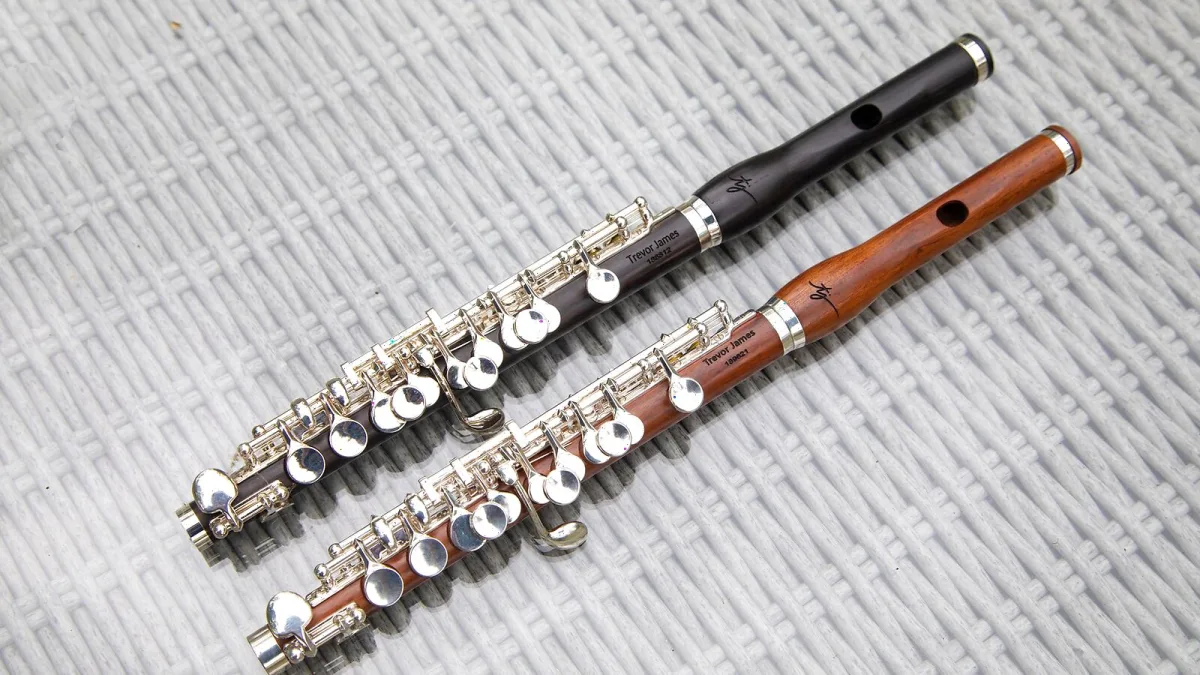
The piccolo is the little instrument with an enormous voice. Barely longer than your forearm, it sits at the very top of the orchestra and can soar cleanly over a full brass section and a battery of percussion. If it seems intimidating, it needn't be — once you understand what makes it tick, it is a genuinely rewarding instrument to get to know.
What the piccolo is
The piccolo is the smallest member of the flute family, a transverse woodwind (played sideways, with no reed) that sounds roughly one octave higher than the concert flute. A note written as middle C actually sounds an octave above concert pitch, so the player reads and fingers much as a flautist would while producing a far brighter, higher tone. Most modern instruments are pitched in C and use the Boehm key system — the same clever arrangement of keys and pads that transformed the flute in the 19th century.
Not just a tiny flute
Here is the thing every newcomer discovers quickly: the fingerings may match the flute, but it behaves very differently. Its short air column and small embouchure hole mean the tiniest change in your lip or air speed shifts the pitch noticeably. It rewards a faster, more focused airstream rather than more air — in fact it uses less air than the flute overall, just moving quicker. The classic beginner's mistake is to tighten the lips and force the high notes, which only produces a pinched, sharp sound. Control, not brute strength, is the goal.
A quick history
Small, high transverse flutes go back centuries — the military fife is a close cousin, prized because its piercing tone carried across a battlefield. It became a fixture of the orchestra in the early 19th century, and Beethoven's use of it in the finale of his Symphony No. 5 (first performed in 1808) is often cited as a landmark moment, adding brilliance to the music's triumphant climax. Later masters of orchestration — Tchaikovsky, Rimsky-Korsakov, Stravinsky — all used it to add colour and sparkle at the top of the ensemble.
It has always been at home in wind and military bands, too, where its register cuts cleanly above the brass. For a long stretch it was heard mainly as an ensemble instrument, though its solo repertoire has grown considerably since the 20th century.
Wood, metal or composite?
The body material shapes both the tone and how much care the instrument needs:
| Material | Character | Best suited to |
|---|---|---|
| Grenadilla wood | Warm, centred, refined | Orchestral and serious classical playing |
| Composite / resin | Warm-ish but far more stable | Students, marching, changeable weather |
| Metal | Bright, immediate, projecting | Marching and military bands |
| Plastic | Durable and stable, simpler tone | Beginners and hard outdoor use |
A wooden piccolo can sound glorious but dislikes sudden changes in temperature and humidity, which can crack the body; a composite instrument gives you much of the warmth with none of the worry, which is why so many players keep one for outdoor work.
The real challenges: intonation and tone
Two things take most of the practice. The first is intonation (playing in tune). Because pitch reacts so quickly to your embouchure, high notes tend to sharpen when you push more air without adjusting, so long tones with a tuner and a drone are time well spent. The second is tone: a good piccolo sound is not automatically shrill. Aim for several colours — bright and projecting outdoors, focused and blending in an orchestral tutti, warm and gentle in chamber music — rather than one loud default.
One practical, grown-up point: the piccolo is genuinely loud right by your ears. It is well worth taking regular breaks and considering musicians' earplugs, especially in small practice rooms.
Choosing and caring for one
When picking an instrument, think first about what you will play — orchestra, concert band, marching or study — and let that guide the material and keywork. Try several with a teacher if you possibly can, and judge each on how reliably it responds and how well it suits your embouchure, not on the price. Whatever you choose:
- swab out moisture after every session;
- let a cold wooden instrument warm up gradually before playing;
- store wood at a stable humidity to prevent cracking;
- leave pad, spring and key adjustments to a qualified repairer — the mechanism is tiny and easily bent.
The bottom line
The piccolo asks for patience with tuning and a light, focused approach to air, and in return it gives you one of the most thrilling voices in music. Start with a stable composite or a well-set-up student model, protect your hearing, work slowly on long tones, and you will find this small instrument opens up a surprisingly large world.




Comments