


Oboe Instrument article
Oboe Instrument for Beginners: A Complete Guide
The wobbly first weeks are entirely normal. Here's a calm, honest guide to starting the oboe, from your first instrument to your first proper reed.
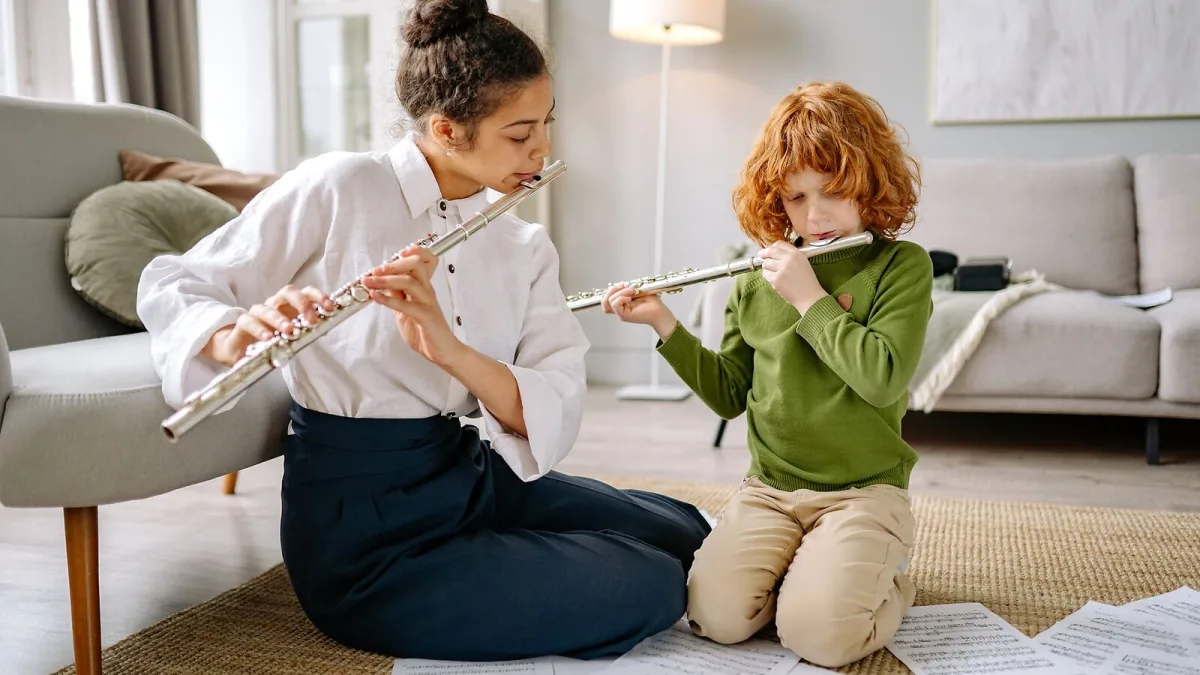
Every oboist I've ever spoken to, however accomplished, remembers the strange first weeks with real fondness and real honesty in equal measure — because the oboe asks a little more of a beginner than most instruments do. That's not meant to put you off. It's meant as reassurance that the wobbly start is entirely normal, and that it passes.
Your First Oboe Doesn't Need to Be Wood
Let's clear this up early, because it worries a lot of newcomers. A plastic or composite-bodied student oboe is not a lesser choice — it's the sensible one. It copes far better with the temperature and humidity changes of a school bag, a car, or a draughty practice room than wood does, and it costs a good deal less while you find out whether the oboe suits you. Renting one first, rather than buying, is a perfectly sensible way to begin.
The Reed Is Where the Magic, and the Trouble, Begins
Unlike a clarinet or a flute, sound here comes from two small, carefully shaped pieces of cane vibrating against each other — the double reed. It's fiddly, it's a little unpredictable, and it's the single biggest source of frustration for most beginners. My honest advice: don't try to make your own reeds yet. Buy professionally made ones, or ask your teacher to adjust them for you, and save reed-making for later, once your ear and your embouchure have both had time to develop.
Finding Your Embouchure, Gently
A few simple habits will save you weeks of frustration:
- Keep your lips gently gathered around the reed rather than biting down on it.
- Let only a small amount of the reed sit inside your mouth.
- Use a steady, supported breath rather than forcing the air.
- Expect a slightly pinched, unstable tone at first — it settles with time, not with extra pressure.
If something feels like effort rather than music, it usually means too much tension somewhere, not too little. Give it weeks rather than days before judging your own progress; the muscles involved are small and specific, and they simply take time to build the endurance and control this kind of playing asks for.
A Few Honest Words About Practice
The oboe rewards patience more than raw hours. Short, focused sessions, ideally with a teacher checking in regularly, will get you further than long unsupervised ones where bad habits quietly take root. Reed problems and embouchure problems can look identical to a beginner's ear, so a second opinion — especially early on — is worth its weight in gold.
Looking After Your Oboe From Day One
- Swab it out after every session to remove moisture from inside the body.
- Never leave a wooden oboe fully assembled in a hot car.
- Handle the keys gently; a bent mechanism can cause leaks that quietly ruin your tone.
- Keep reeds dry between sessions, somewhere they can properly air.
- Book in for professional adjustment periodically — even a small leak can make an otherwise good oboe feel much harder to play than it should.
What You'll Need Beyond the Oboe Itself
A handful of small extras make the early months noticeably smoother: a proper swab for drying the bore after playing, a soft cloth for wiping keys, cork grease for the joints, and somewhere safe and padded to store spare reeds so they don't get crushed in a bag. None of it is expensive or complicated, but having it from day one saves a lot of small frustrations later, and a good teacher or local shop can point you towards sensible, unfussy options rather than anything elaborate.
Finding the Right Teacher
More than almost any other instrument, this is one where a good teacher earns their fee many times over. Reed problems, embouchure problems and simple beginner nerves can all sound remarkably similar from the outside, and an experienced ear will tell them apart far faster than trial and error on your own. If you can, ask around at a local music school or youth orchestra for a specialist oboe teacher rather than a general woodwind tutor — the reed alone makes enough difference that specific experience genuinely helps.
When You're Ready to Go Further
Once the basics feel steadier, our full overview tells the whole story of the oboe's history and family in more depth, and our buyer's guide is there for when you're thinking about your next oboe. If you'd like to see how the options stack up by budget, the best options for the money is a friendly next stop.
The Bottom Line
Nobody sounds effortless in the first few months, and that includes every professional you'll ever admire. Start on a composite oboe, trust a good teacher over your own reed-adjusting instincts for now, and be patient with a sound that takes real time to settle. You're learning one of the more demanding corners of the orchestra, and that's worth being proud of, wobbles and all.




Comments