


Baritone Saxophone article
Baritone Saxophone for Beginners: A Complete Guide
Big, low and a little daunting at first — here's an encouraging, practical starting point for anyone learning baritone saxophone.
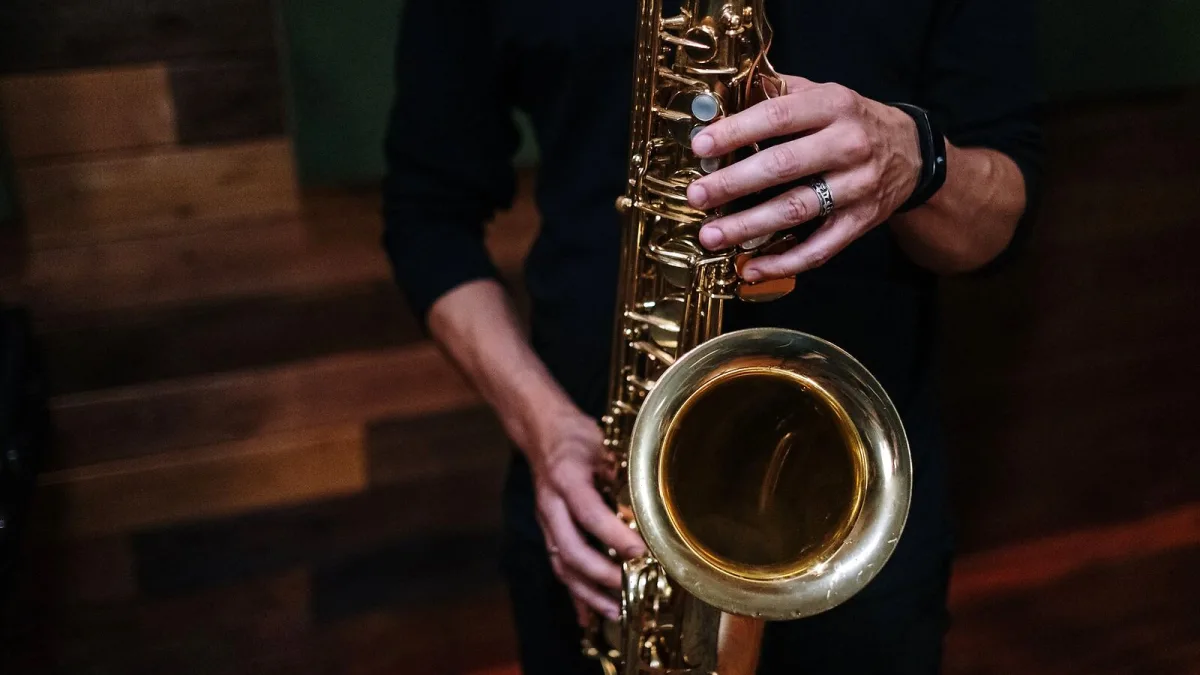
If you're eyeing up a baritone saxophone as your first instrument, or thinking of moving across to one from alto or tenor, take a breath — yes, it's big, and yes, it looks a little daunting propped up in the shop window, but plenty of complete beginners have got on very happily with it. Here's what you actually need to know before you start.
Is It a Sensible First Instrument?
Honestly, opinions differ. Some teachers steer beginners away from the baritone saxophone because of its size, weight and cost. Others point out that it uses exactly the same fingering system as the alto and tenor saxophones, so a motivated learner with the right support gets on with it just fine. If you're small in stature, very young, or working with a limited budget, it may be sensible to start on alto and move across later. If none of that applies and the sound is what draws you, there's no strong reason to wait.
What You'll Actually Need
- The instrument itself — renting one to begin with is a sensible way to avoid a big outlay before you know it's for you.
- A mouthpiece and reeds — most rentals come with a starter mouthpiece; buy a box of reeds one step softer than you think you need, since a softer reed is easier to get a sound from at first.
- A proper harness — not just a basic neck strap. This instrument is heavy enough that the weight needs to sit across your shoulders and back, not on your neck alone.
- A stand — so you're not forever laying a large, expensive instrument across chairs between practice.
- A patient teacher — ideally one who already knows the instrument, or at least the saxophone family well.
Getting Comfortable With the Size
Before you worry about making a sound at all, spend a session just getting used to holding the thing. Sit or stand with the harness taking the weight, not your arms. Your hands should rest naturally on the keys without you needing to grip or brace the instrument — if your fingers feel strained, the strap or harness needs adjusting, not your technique. A baritone saxophone that's properly supported feels surprisingly manageable; one that isn't will tire you out within minutes.
Your First Sounds
Start with the mouthpiece and reed alone, away from the rest of the instrument, and aim for a steady, even buzz. Keep your jaw relaxed rather than biting down, and think of a firm but gentle seal around the mouthpiece — this is the embouchure, and on a baritone it should feel more open and relaxed than the tighter embouchure some players use on a smaller saxophone. Once that's comfortable, attach the neck and mouthpiece to the body and try your first long tones in the middle of the range, where the instrument responds most easily.
Working Down Into the Low Register
The low notes are the whole point of choosing this instrument, but they're also where beginners tend to struggle first. Rather than forcing them out with extra mouth pressure, which just makes the tone thin and unstable:
- Warm up with easy notes in the middle of the range first.
- Move down one note at a time, keeping the air steady rather than pushing harder.
- Keep the throat and jaw relaxed — tension is the main thing that stops low notes from speaking cleanly.
- Support each note with a full breath rather than a short, sharp one.
- Stop and rest if your embouchure starts to fatigue; low notes improve with relaxed repetition, not force.
Patience matters more than muscle here. Most beginners find the low register opens up within a few weeks of steady, relaxed practice.
Common Early Struggles
A few things trip up almost every newcomer to the baritone saxophone, and none of them mean you're doing it wrong:
- Running out of breath quickly — this instrument simply uses more air than a smaller saxophone; breath support improves with time.
- Sore neck or shoulders — almost always a sign the harness needs adjusting, not that you're too weak for the instrument.
- Squeaks in the upper register — usually loose embouchure or a reed that's too soft; both settle down with practice and the right reed strength.
- Feeling self-conscious about the size — entirely normal, and it fades fast once you're focused on playing rather than carrying it.
Keeping Up the Habit
Short, regular sessions beat occasional long ones, especially while your embouchure and breath support are still building strength. Ten to fifteen minutes of focused long tones and easy scales most days will get you further, faster, than an hour once a week. Once the basics feel steady, our guide to how the baritone saxophone works is a good next read for the bigger picture, and when you're ready to think about upgrading from a rental, our buyer's guide covers exactly what to look for.
The Bottom Line
Yes, it's the biggest saxophone most players will ever pick up, and yes, the first few weeks ask for patience. But the fingering is familiar, the low end is genuinely rewarding once it starts to speak, and with a properly fitted harness the size stops being an obstacle fairly quickly. Stick with it.




Comments