


XLR roundup
The Best Xlrs for the Money
There's no single 'best' XLR cable — just the right tier for the job. Here's how to spot genuine value at entry, mid and professional level.
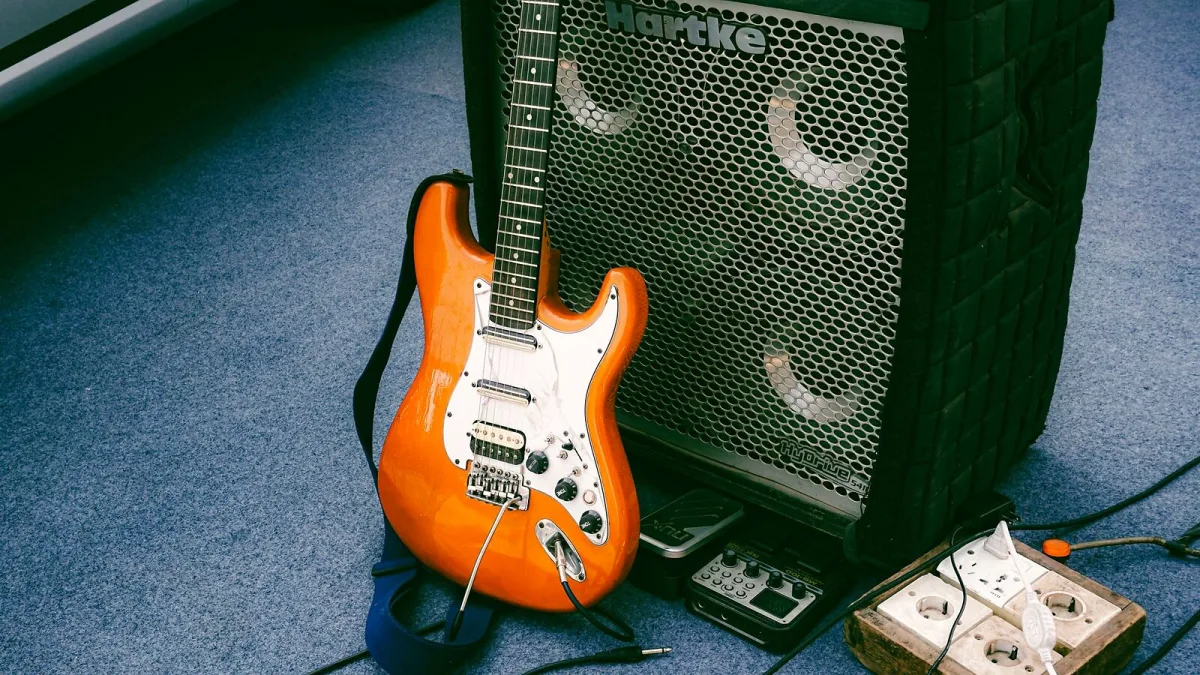
Right, let's talk value. Everyone wants to know which XLR cable gives them the most for their money, and the honest answer is not "buy this exact one" — it genuinely depends what you are doing with it. So instead of pretending there is a single winner, here is how to spot real value at every price tier, plus the names worth trusting when you get there.
Why There Is No Single "Best" Answer
An XLR cable's actual job — carrying a balanced signal cleanly from pin to pin — is a solved problem. Any well-made cable does it correctly. What changes between tiers is not sound quality but durability, flexibility and how well it survives being coiled, stepped on, or thrown in a flight case for the hundredth time. Once you frame it that way, "best for the money" stops being a mystery and starts being a genuine trade-off you can reason through.
Entry-Level: Home Studio and Occasional Use
If your XLR cable lives behind a desk and rarely gets unplugged, you do not need touring-grade construction. Look for:
- Genuine three-conductor balanced wiring — never assume, always check the spec.
- Basic but real shielding, adequate for a static, low-interference environment.
- A connector that locks securely, even if it is not a premium name.
This is where budget-friendly, generic cables genuinely earn their keep. You are paying for the fundamentals done correctly, not for ruggedness you will never test.
Mid-Tier: Regular Gigging and Rehearsal
Once an XLR cable is going in and out of a gig bag every week, the calculation changes. This tier is about surviving repeated flexing, the odd accidental yank, and being coiled and uncoiled dozens of times a month without the strain relief giving up first. This is where recognisable, mid-priced options from established cable makers start to pay for themselves — the extra cost buys resilience, not better sound.
Professional Tier: Touring and Installed Systems
At the top end, you are buying reputation as much as spec. Names like Mogami and Canare have decades of studio and touring credibility, built on cables that survive years of hard professional use. Pair that XLR cable quality with Neutrik connectors — the industry's most trusted name for locking XLR plugs — and you have got a combination that shows up on rider sheets and in professional stage boxes for good reason. This is genuinely the tier where paying more buys something real: repairability, consistency, and cables that keep working after abuse that would kill a cheaper option.
What "Value" Actually Means at Each Tier
| Tier | What you're really paying for | Best suited to |
|---|---|---|
| Entry-level | Correct wiring, basic shielding | Fixed home studio setups |
| Mid-tier | Flexibility, resilience to regular handling | Weekly gigging and rehearsal |
| Professional | Durability under heavy abuse, repairability, reputation | Touring, hire stock, installed venues |
The Trap Worth Avoiding
The most common way to waste money on an XLR cable is buying professional-tier durability for a job that will never test it — a cable that never leaves your desk does not need to survive a European tour. The second most common way is the opposite: buying the cheapest option for something that gets abused weekly, then replacing it three times over rather than once properly. Match the tier to the actual use, not to what sounds impressive.
Do Not Judge by Looks
Gold-plated pins, oversized connector shells and thick, shiny jackets are cosmetic. None of them are a reliable signal of genuine build quality. A cable's real value lives in things you cannot see from the packaging: the conductor count, the shielding type, and the strain relief where the jacket meets the connector. Our full buyer's guide to XLR goes through exactly what to check before you hand over any money.
New to Buying Cables Altogether?
If tiers and terminology like "balanced" and "shielding" still feel unfamiliar, that is completely normal — everyone starts there. Our beginner's guide to XLR covers the basics in plain language first, and our full explainer breaks down the pinout and phantom power if you want to understand exactly what you are buying.
The Bottom Line
The best-value XLR cable is not a single product — it is whichever tier genuinely matches how hard you are going to use it. Buy correctly-wired basics for a static setup, mid-range resilience for regular gigging, and reputable professional names when your gear needs to survive real abuse. Get that match right, and you will stop thinking about cables entirely, which is exactly what good value looks like.





Comments