


Trs Cable roundup
Trs Cable: A Complete Buyer's Guide
Buying the wrong TRS cable is a genuinely common way to lose an afternoon chasing a fault that isn't there. Here's what to actually check.
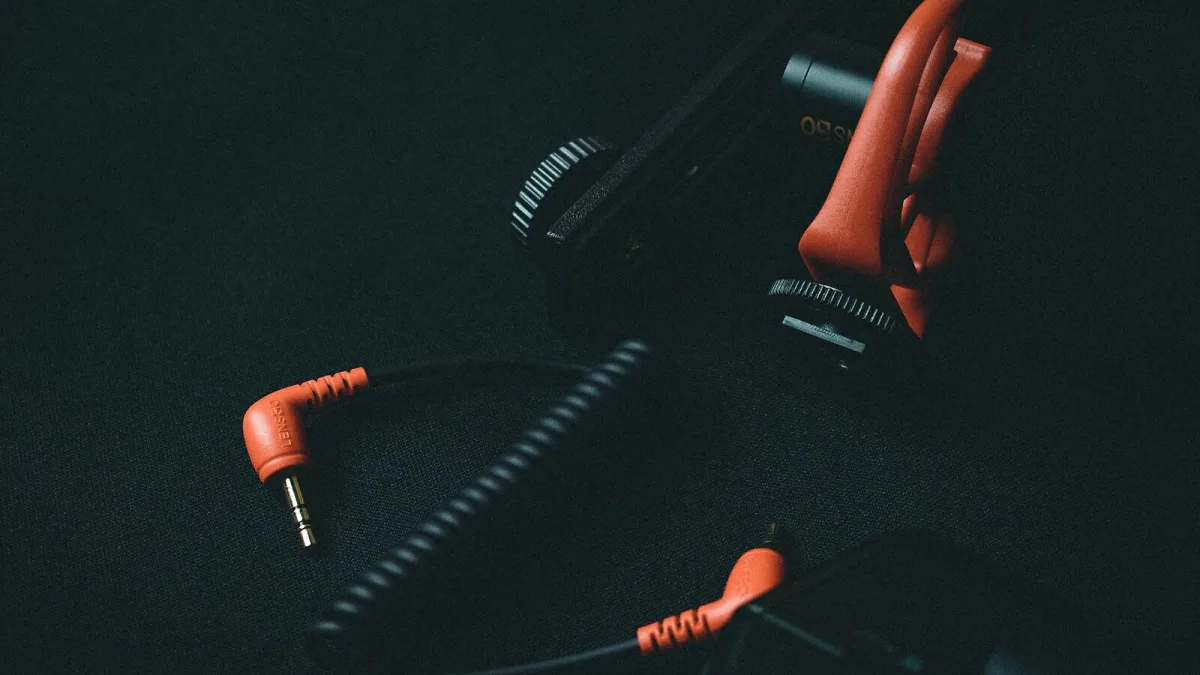
Right, let's geek out on cables for a minute, because buying the wrong TRS cable is a genuinely common way to lose an afternoon chasing a fault that doesn't exist. Here's everything worth actually checking before you buy, so the money goes on the right cable the first time.
Step One: Know the Job Before You Shop
A TRS cable does one of three jobs depending on the wiring behind the plug: balanced mono, unbalanced stereo, or an insert send/return. Buying the wrong type for the connection you actually have is the single most common mistake, so check your equipment's manual or the labelling around the port before you go anywhere near a shopping basket.
| What you're connecting | What to buy |
|---|---|
| Interface or mixer output to a powered monitor | Balanced TRS-to-TRS cable |
| Headphone output to headphones | Stereo TRS headphone cable |
| Mixer or interface insert point to an outboard processor | TRS-to-dual-TS insert cable |
| Guitar, bass or pedal to an amp or pedalboard | Standard TS cable, not TRS |
That last row trips up more beginners than anything else: reaching for a TRS cable on a passive guitar rig achieves nothing extra and can occasionally cause odd behaviour depending on the gear.
Sizes: 6.35mm, 3.5mm and the Occasional 2.5mm
Full-size professional gear almost always uses the 6.35mm (¼ inch) plug. Consumer and portable gear tends toward 3.5mm (⅛ inch), and you'll occasionally spot 2.5mm on smaller devices. Adaptors between sizes are fine electrically, but they're another connection point that can loosen or add noise over time, so buy the correct size cable directly where you can.
What Actually Affects Build Quality
- Conductor gauge — thicker conductors generally mean lower resistance and better long-term durability.
- Shielding type — braided shielding tends to be the most durable against flexing; foil shielding is lighter but can fatigue faster with repeated coiling.
- Strain relief — a decent moulded boot at the plug protects the solder joints, which is exactly where cheap cables tend to fail first.
- Connector plating — gold-plated contacts resist corrosion better over years of use, which matters more than it sounds for a cable that lives behind a rack for a decade.
Brands Worth Knowing
Neutrik and Switchcraft are the names you'll see on the connectors themselves across a huge range of cable brands, and both have a strong reputation for mechanical reliability. On the cable side, Mogami, Canare and Sommer Cable are well regarded in professional circles, while Hosa is a solid, affordable option that turns up in a lot of home studios for good reason. None of these names guarantee a specific sound; they're a reasonable proxy for build quality and consistency.
Do Expensive Cables Actually Sound Better?
Treat bold claims here with real scepticism. Durability, shielding quality and connector reliability are legitimate, defensible reasons to spend more. Claims that a particular brand of cable dramatically changes the sound of a properly balanced connection are, at best, unproven, and at worst pure marketing. A premium cable will not fix an unbalanced source, a noisy power supply or a ground loop elsewhere in your setup — no amount of spending changes that.
Length: Longer Isn't Automatically Worse
A long, well-shielded balanced cable can perform just as cleanly as a short one, because balanced wiring is specifically designed to reject interference picked up along the run. Unbalanced connections are far more length-sensitive, so keep those runs short wherever you actually have the choice.
A Buyer's Checklist
- Confirm which of the three TRS jobs you actually need before buying anything.
- Match the plug size to your gear rather than relying on an adaptor.
- Prioritise strain relief and shielding over headline marketing claims.
- Buy insert cables and standard balanced cables separately — never assume one will substitute for the other.
- Spend on build quality and reliability, not on unproven sonic claims.
Still Getting Your Head Around the Basics?
Our features and types guide is worth reading first if the difference between balanced and unbalanced signals still feels a bit fuzzy, and our beginner's guide is there for anyone setting up their very first home studio.
The Bottom Line
Buying the right cable is mostly a matter of matching the job to the wiring, not chasing the priciest option on the shelf. Get the format right, buy solid build quality, and a TRS cable will genuinely be the last thing you need to think about in your signal chain.



Comments