


Singing Mic roundup
Singing Mic: A Complete Buyer's Guide
Before you buy a new singing mic, here are the questions that actually change the outcome — not the spec-sheet numbers that mostly don't.
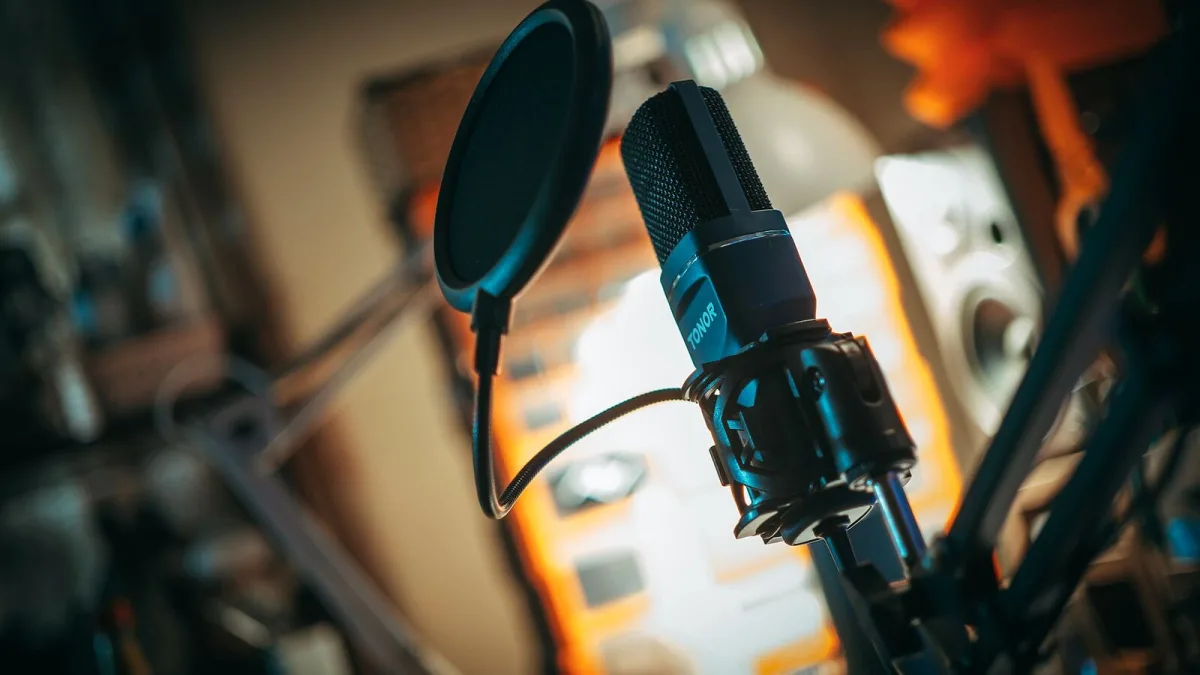
I've bought more microphones than I probably should admit, chasing a sound I could usually have got from the one I already owned with better technique. So before you spend anything on a new singing mic, let's work through the questions that actually change the outcome, rather than the spec-sheet numbers that mostly don't.
Question One: Where Is Your Singing Mic Actually Going to Be Used?
This decides almost everything else. A loud band on a small stage needs a rugged dynamic mic that can handle high sound pressure levels and reject feedback from monitors. A quiet home studio or a controlled live setting can make better use of a condenser's extra sensitivity and detail. Buying the wrong type for the room you're actually in is the single most common mistake I see.
Dynamic, Condenser or Ribbon?
- Dynamic: tough, high SPL handling, no phantom power required — the default for live vocals and loud rehearsals
- Condenser: more sensitive with extended high-frequency detail, but needs +48V phantom power from a mixer or interface
- Ribbon: smooth, often darker and vintage-leaning, but more delicate and more vulnerable to plosive blasts of air
None of these is universally "better" — they're suited to different jobs. A bright or slightly harsh voice can genuinely benefit from a smoother ribbon or dynamic option, while a darker, lower voice sometimes needs a mic with a bit more upper-midrange presence to stay intelligible in a mix.
Polar Pattern: Don't Skip This
Cardioid is the sensible default for most singing situations, rejecting sound from behind while staying sensitive to the front. If you're on a loud stage with monitors nearby, a tighter supercardioid pattern can help — just remember it has a small rear pickup zone of its own that needs to stay pointed away from speakers. Omnidirectional mics sound lovely and open in a treated studio, but they're a genuinely poor choice for a feedback-prone stage.
Wired or Wireless?
A wired connection is simpler, more reliable, and sidesteps battery and radio-frequency headaches entirely — it's still what I'd recommend for most home recording and smaller gigs. Wireless systems add real freedom of movement, but you're now also managing a transmitter, a receiver, battery life and frequency coordination with other RF equipment in the venue. Judge the whole wireless system, not just the microphone capsule bolted to the front of it.
Budget Tiers, Realistically
At the lower end, expect a solid dynamic cardioid capsule with basic build quality — perfectly usable for rehearsals, home demos and smaller gigs. Step up and you'll generally find tighter manufacturing tolerances, better internal shock mounting to reduce handling noise, and often a choice between multiple polar patterns on a single condenser body. At the top end, you're mostly paying for consistency between individual units and a bit more headroom before distortion sets in, rather than a dramatically different sound on a well-recorded voice. None of this means the cheaper option is a compromise you'll regret — plenty of working singers and home producers get excellent, professional-sounding results from mid-priced gear paired with sensible technique and a reasonably treated room.
What You'll Actually Need Alongside It
A singing mic rarely does its job alone. Budget for:
- An XLR cable, since most decent vocal mics use a balanced XLR connection rather than a cheaper unbalanced jack
- A pop filter for studio use, to tame plosive blasts on "P" and "B" sounds
- A stand or clip that actually fits the mic's body
- Phantom power from your mixer or interface, if you're going the condenser route
Test Before You Commit, Where You Can
If you can try a singing mic against your own or your singer's actual voice before buying, do it — the difference between two mics can be more about how a specific voice interacts with a specific capsule than anything you'll read on a spec sheet. If a shop or studio lets you test with your own vocal chain plugged in, take them up on it rather than trusting reviews written for a completely different voice and a completely different room.
Where to Go From Here
If you're brand new to buying gear like this, our beginner's guide to choosing a singing mic covers the basics in a gentler way, and our full guide to how vocal microphones work is worth reading if any of the terms above felt unfamiliar. Whatever you eventually buy, take five minutes with our list of common mistakes buyers make first.




Comments