


Trs Jack Cable article
A Guide to Trs Jack Cable
Look closely at a TRS cable and you'll spot two bands on the plug instead of one. Here's what that third contact actually does, and why it matters.
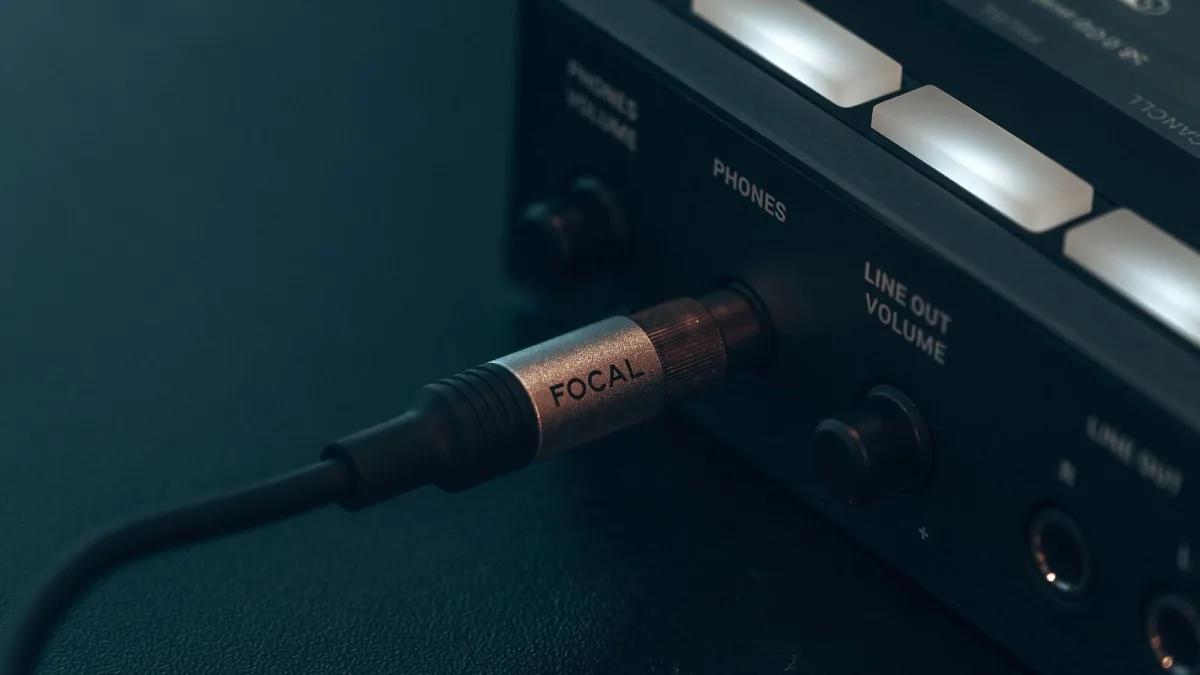
Look closely at the plug on a TRS cable and you'll spot two thin bands instead of one — and that second band is the whole story. It's the difference between a cable that just passes a mono signal and one that can carry a genuinely balanced connection or a full stereo pair. Here's what's actually going on inside, and why it matters for how things sound.
What TRS Actually Means
TRS stands for Tip, Ring, Sleeve — the three separate electrical contacts on the plug, split by those two insulating bands. Compare that with a standard instrument cable, which is TS: tip and sleeve only, two contacts, one band. That third contact, the ring, is what gives a TRS cable its extra capability. What it actually carries down that third wire, though, depends entirely on the equipment at either end.
Two Completely Different Jobs, One Connector
This is the part that trips people up: a TRS plug doesn't tell you what's running through it. It can carry either of two genuinely different signal types.
| Use | Tip | Ring | Sleeve |
|---|---|---|---|
| Balanced mono (line-level) | Hot / positive signal | Cold / inverted signal | Shield / ground |
| Unbalanced stereo (headphones) | Left channel | Right channel | Shared ground |
A balanced line connection uses the ring to carry an inverted copy of the same signal; the receiving equipment compares the two and cancels out noise picked up along the way, a trick called common-mode rejection. A stereo headphone connection, meanwhile, just uses the ring for a second, independent channel. Same plug, completely different job.
Where a TRS Cable Turns Up
- Balanced line connections — audio interfaces, mixers and studio monitors, especially over longer cable runs.
- Stereo headphones — the standard wiring for most consumer and studio headphone cables.
- Mixer inserts — a single TRS jack often carries a separate send and return, usually broken out to two TS plugs.
- Patch bays and studio routing — balanced TRS jacks are common in professional signal flow.
Guitars and basses are the notable exception: most passive instruments use a plain TS output, and swapping in a TRS cable doesn't upgrade anything there — the ring simply goes unused, or worse, interacts oddly with the instrument's internal switching.
Sizes You'll Actually Encounter
TRS connectors come in a few common sizes: ¼-inch (6.35mm), standard on studio and instrument gear; 3.5mm, the familiar consumer headphone size; and the less common 2.5mm, found on some older or specialised equipment. Matching the physical size gets you a connection — it doesn't guarantee the wiring underneath matches what your gear expects.
How It Compares to TS and TRRS
| Connector | Contacts | Typical use |
|---|---|---|
| TS | Tip, Sleeve (2) | Mono, unbalanced — guitars, basses, most pedals |
| TRS | Tip, Ring, Sleeve (3) | Balanced mono, or unbalanced stereo |
| TRRS | Tip, Ring, Ring, Sleeve (4) | Stereo plus a mic or control signal, common on phone headsets |
Each extra band on the plug means one more isolated contact, and one more possible job for the connector to do. It's worth learning to spot the difference at a glance, since the wrong one won't always look obviously wrong when you plug it in.
What's Actually Inside the Cable
Underneath the outer jacket, a typical balanced cable has two insulated signal conductors running alongside a shield — braided, spiral-wound or foil, depending on the manufacturer — plus the plugs at each end. Shield coverage affects how well interference gets rejected, conductor gauge affects durability, and for instrument-level connections, cable capacitance can quietly affect tone over longer runs. None of that shows up by looking at the plug alone, which is exactly why matching your gear's actual requirements matters more than judging a cable by its connector.
Balanced Doesn't Mean Automatic
It's worth being direct about this: the cable alone cannot make an unbalanced output balanced. Both ends of the connection need circuitry designed for it. Plug one into gear that isn't wired for a balanced signal, and you simply lose the benefit — the ring contact does nothing useful, or the signal reverts to unbalanced the moment it passes through a TS-only jack.
Getting the Right One
Once you understand the tip-ring-sleeve idea, actually choosing between cables comes down to matching your specific gear rather than the connector shape alone — our complete buyer's guide walks through exactly how to do that. If the terminology here still feels new, our beginner's guide takes things at a gentler pace.
The Bottom Line
A TRS cable is defined by its third contact, not by any single job it does — it's balanced mono in one context and stereo unbalanced in another, and only your equipment's documentation tells you which. Learn that distinction and the rest of the terminology falls into place quickly. Before buying or wiring anything, it's worth reading common mistakes to avoid too.






Comments