


Pirate Studio article
Everything You Need to Know About Pirate Studios
A 24/7, self-service network of rehearsal, DJ and recording rooms, booked entirely online. Here's exactly how Pirate Studios actually works.
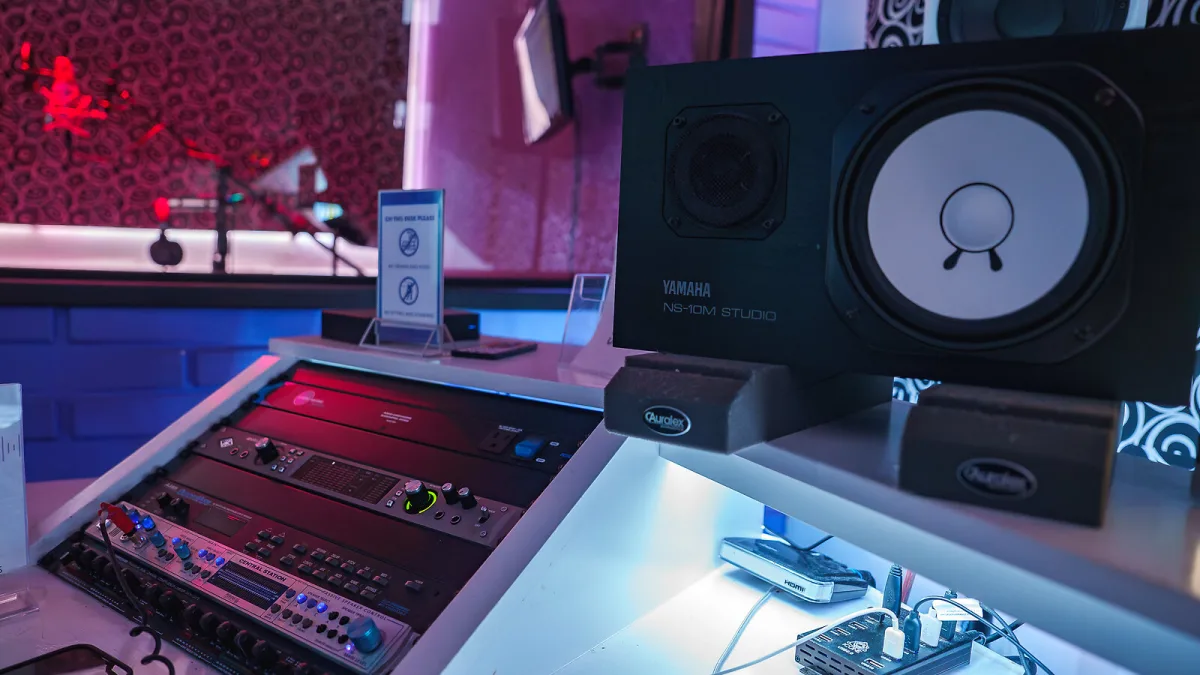
If you've ever tried to book a rehearsal room at 11pm on a Tuesday, or find a DJ booth for a couple of hours without joining a club night, you've probably run into the same problem: most studios are staffed, expensive, and keep office hours. Pirate Studios built its entire business around solving exactly that. Here's what it actually is, how it works, and what you'll find when you turn up.
What Pirate Studios Actually Is
Pirate Studios, now generally branded as PIRATE.COM, is a network of self-service creative spaces for musicians, DJs, producers and podcasters. Rather than a traditional staffed studio you book through a manager, it's a technology-driven setup: you reserve a room online, get sent access instructions, let yourself in, use the installed equipment, and leave when your slot ends. There's no front-desk check-in and, in most cases, no resident engineer standing over your shoulder.
The Different Room Types
The network generally offers four broad categories, though exactly which are available depends on the location:
- Rehearsal rooms — for bands and solo musicians, typically fitted with a drum kit, guitar and bass amplification, a PA system and basic microphones.
- DJ rooms — booth-style spaces built around decks, a mixer and monitor speakers, marketed by the company as the world's largest network of its kind.
- Recording rooms — self-directed production spaces, typically equipped with an audio interface, studio monitors and a condenser microphone rather than a resident engineer.
- Podcast and creator rooms — available at some locations, generally built around broadcast-style microphones and simplified recording setups.
Where You'll Find It
The network operates across a number of UK cities, including several London sites — Hackney, Notting Hill, Wembley and Earlsfield among them — plus a location in Glasgow. In the United States, the network has a strong presence in New York City, with recording studios spread across Bushwick, Gowanus and Ridgewood. Exact locations and room counts change over time, so it's always worth checking the current booking site for what's actually near you.
How Booking and Access Actually Work
The whole system is built to run without staff on-site. In practice, a typical session looks like this:
- Pick a city and the type of studio you need.
- Choose a specific room and time slot through the online booking system.
- Check what equipment that particular room includes before you commit.
- Turn on OpenLIVE if the room supports it and you want the session recorded.
- Arrive and let yourself in using the access instructions you're sent.
- Use the installed gear, then vacate the room when your booking ends.
Because there's no staffed engineer built into the price, the same rule that applies to any home studio setup applies here too: know roughly what you're doing with the gear before you book, or budget extra time to figure it out once you're in the room.
OpenLIVE: The Built-In Recording Feature
One of Pirate Studios' more distinctive features is OpenLIVE, a system that lets compatible rehearsal rooms record your session automatically. Rooms that support it are flagged during booking, and you're asked whether you want it switched on. It's a genuinely useful option if you want to capture a rehearsal for review, social content or a rough demo, without setting up separate recording equipment yourself.
What's Actually in the Room
Equipment varies by location and room, so treat any specific gear list as an example rather than a guarantee. One independent 2022 review found a recording room equipped with a Focusrite Clarett 4Pre interface, a pair of Yamaha HS8 monitors and an SE Electronics SE2300 condenser microphone, while rehearsal rooms at the same site used Natal drums and Marshall amplification. Always check the listing for your specific room before booking if particular gear matters to you.
How Pricing Works
Rather than one flat hourly rate, the company uses dynamic, time-based pricing bands — typically off-peak, standard, peak and super-peak — meaning the same room can cost noticeably different amounts depending on when you book. An independent 2022 review put rehearsal rooms at roughly £9.50–£11 per hour and recording rooms at around £10 per hour, though those figures are historical and pricing has almost certainly moved on since. Always check the live booking calendar for current rates rather than relying on older estimates.
A Bit of Background
The company attracted a $20 million investment led by Talis Capital in November 2018, at which point it reported operating 350 studios across 21 locations and having served more than 50,000 musicians. That scale has continued to grow since, even if an exact current global count isn't published in one consistent place.
Where to Go From Here
If you're weighing up whether it's actually worth it for your situation, our complete buyer's guide walks through exactly what to check before booking. Budget-conscious readers should see the best Pirate Studios for the money, and if this is all completely new to you, our beginner's guide walks through your very first booking step by step.
The Bottom Line
Pirate Studios essentially replaced the staffed, 9-to-5 rehearsal or recording studio with a 24/7, self-service network booked entirely online. That trade-off — less hand-holding for more flexibility and generally lower cost — is exactly why it's become such a popular option for independent musicians who need decent facilities without a long-term commitment.




Comments