


Sony Mdr 7506 roundup
The Best Sony Mdr 7506s for the Money
The Sony MDR-7506 is a one-model product, but its value depends entirely on what you use it for. This guide breaks down exactly where it earns its money — and where rivals might serve you better.
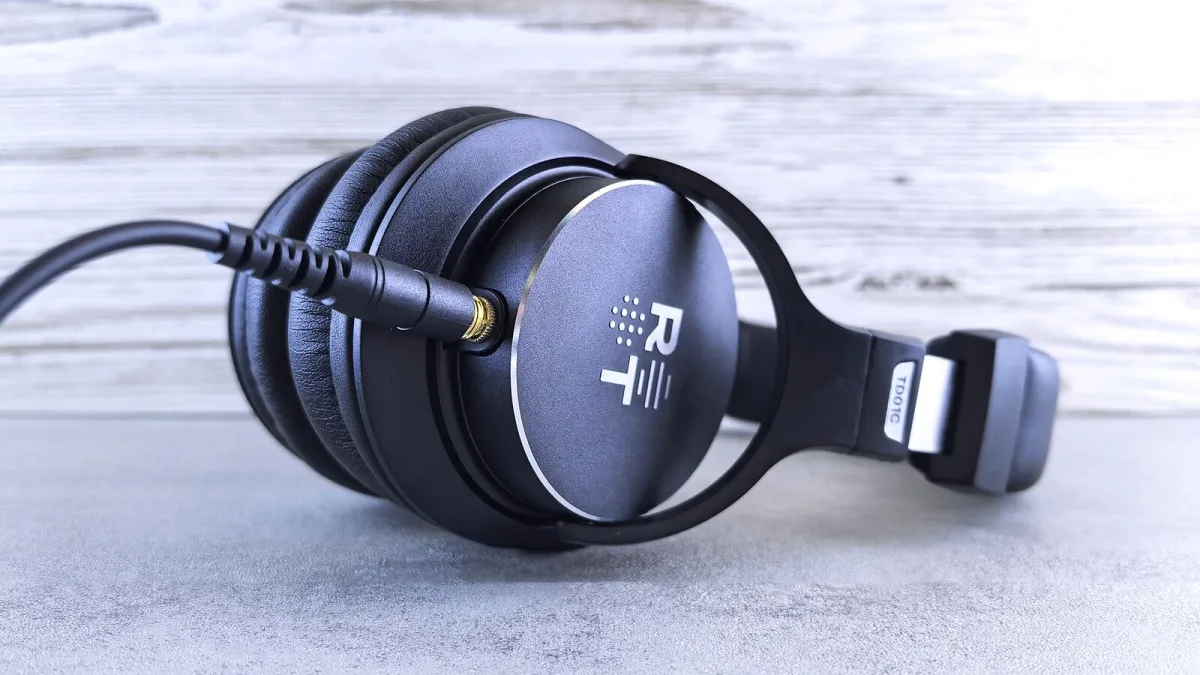
There is only one Sony MDR-7506, but there are several ways to get the best out of it — and several ways to spend more money than you need to. This guide cuts through the noise: what configuration actually makes sense for different budgets and use cases, and how the MDR-7506 sits alongside its closest rivals when you are weighing up where your money goes.
Understanding What You Are Actually Buying
The Sony MDR-7506 is a single model with no variants: no different impedance options, no wireless version, no premium tier. That simplicity is part of its appeal. When you buy the MDR-7506, you get a closed-back, 63-ohm professional monitoring headphone with a fixed coiled cable that has been manufactured essentially unchanged since 1991.
What changes the value proposition is not the headphone itself but what you pair it with, what you replace, and what you expect it to do. That is what this guide addresses.
The MDR-7506 on Its Own: Best Value Use Cases
For certain applications, the MDR-7506 offers genuinely excellent value for money — not because it is the cheapest option, but because it is particularly well matched to specific professional needs:
Broadcast and Radio Monitoring
The MDR-7506's longevity in broadcast is partly institutional. Many facilities still use it because engineers know its voicing and can translate it reliably. If you are entering that environment, owning a pair means speaking the same language as your colleagues. For broadcast monitoring, the closed-back design, easy drivability from console headphone outputs, and familiar character make it hard to fault at its price point.
Location Sound and Film Production
The foldable design, lightweight build (~230 g without cable), and easy drive from portable recorders make the MDR-7506 well suited to location bags. The closed-back construction keeps ambient sound from interfering with monitoring during takes. For location work where you need reliability and serviceability rather than cutting-edge isolation, the value is strong.
Vocal Tracking and Overdubs
During a tracking session, the headphones' job is simple: deliver a clean, bleed-free cue mix to the performer while the microphone is recording. The MDR-7506 handles this reliably without requiring a dedicated headphone amplifier. Its bright character helps performers hear their pitch and articulation clearly. For home and project studios, pairing the MDR-7506 directly with an audio interface headphone output works well without additional cost.
Editing and Dialogue Work
The forward upper midrange that makes the MDR-7506 slightly fatiguing for long music-listening sessions becomes an active advantage in editing. Clicks, breath noises, sibilance, and harsh consonants are easier to spot. For podcast producers, dialogue editors, and radio journalists, that clarity is worth paying for.
Adding Value: What Upgrades Actually Matter
If you already own the MDR-7506 or are buying one, a few targeted additions genuinely improve the experience:
Replacement Ear Pads
The most impactful upgrade for older units. The original faux-leather pads deteriorate and degrade both comfort and isolation. Genuine Sony replacement pads restore the headphone to its designed performance. Third-party options are available at lower cost, but can alter tonal balance and seal compared to the originals. If buying second-hand, budget for pad replacement as a near-certainty on any unit more than a few years old.
A Quality Audio Interface
The MDR-7506 is efficient and will work from virtually any headphone output, but a decent audio interface brings cleaner signal, better noise floor control, and more useful headroom adjustment. You do not need an expensive stand-alone headphone amplifier, but upgrading from a laptop's built-in output to a dedicated interface (even an entry-level one) is money well spent if you are doing serious tracking or editing work.
A Headphone Extension Lead
The fixed coiled cable extends to roughly 3 m, which suits many studio setups. If your interface or console is across the room, a basic 3.5 mm extension lead is an inexpensive solution. The adaptor to 6.3 mm is included with the headphones.
Value Comparison: MDR-7506 vs the Main Rivals
How does the MDR-7506 stack up against the other closed-back monitoring options in the same general price range?
| Headphone | Cable | Impedance | Character | Best for |
|---|---|---|---|---|
| Sony MDR-7506 | Fixed coiled | 63 Ω | Bright, detailed | Tracking, broadcast, editing |
| Audio-Technica ATH-M50x | Detachable | 38 Ω | Balanced, consumer-friendly | Recording studios, versatile use |
| Beyerdynamic DT 770 Pro (80 Ω) | Fixed coiled | 80 Ω | Warm, strong isolation | Tracking, louder environments |
| Sennheiser HD 280 Pro | Fixed coiled | 64 Ω | Flat-ish, high attenuation | Loud environments, broadcast |
The MDR-7506 wins on standardisation and longevity. It wins in contexts where its specific voicing — bright, problem-revealing — is an asset. The ATH-M50x offers a more versatile profile and the practical advantage of a detachable cable. The DT 770 Pro offers stronger isolation. Neither is objectively better than the MDR-7506; each suits a different priority.
When the MDR-7506 Is Not the Best Value
To be fair about it: there are situations where spending the same or slightly more money elsewhere is the smarter call.
- If you need a detachable cable: The ATH-M50x is worth considering. A cable failure on the MDR-7506 means a repair; a cable failure on the ATH-M50x means spending a few pounds on a replacement lead.
- If you need strong isolation: The Sennheiser HD 280 Pro or Beyerdynamic DT 770 Pro provide better passive attenuation for genuinely noisy environments.
- If you want a solo mixing reference: None of these headphones, including the MDR-7506, is well suited to that task. A pair of studio monitors, or headphones specifically designed and measured for flat response, serves that purpose better.
- If you want casual listening or wireless use: Look elsewhere entirely. The MDR-7506 is a wired professional tool, not a lifestyle product.
Bottom Line: Where the Value Sits
The Sony MDR-7506 delivers its best value as a specialist professional tool in its designed context: tracking, broadcast, location sound, dialogue editing, and general studio monitoring. Buy it for those uses and it will last for years with minimal expenditure beyond an occasional pad replacement.
For a full technical and historical overview of the headphone, see our complete guide to the Sony MDR-7506. If you are still deciding whether to buy, the buyer's guide goes deeper on the purchasing decision. And if you are brand new to the MDR-7506 and studio headphones generally, the beginner's guide is the place to start.





Comments