


Sony Mdr 7506 roundup
Sony Mdr 7506: A Complete Buyer's Guide
The Sony MDR-7506 is a studio and broadcast monitoring classic — but it is not the right headphone for every buyer. Here is what you need to know before you purchase.
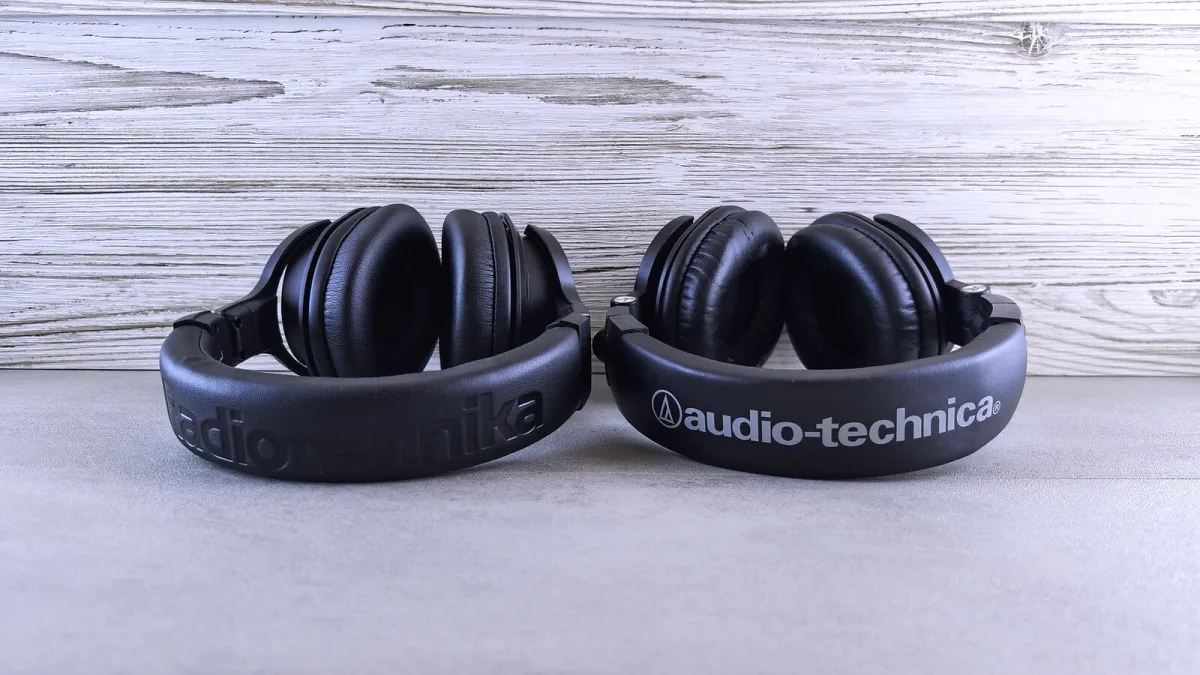
Buying a pair of studio headphones for the first time — or replacing an aging set — means wading through a lot of marketing language and competing claims. The Sony MDR-7506 cuts through that noise fairly cleanly: it is a known quantity with a clear set of strengths and a well-documented set of limitations. This guide helps you decide whether it is actually the right purchase for you, and what to check before you hand over your money.
Who Is the MDR-7506 Actually For?
Before weighing up specifications, it helps to be honest about your use case. The Sony MDR-7506 was designed for professional monitoring work: tracking sessions, broadcast production, location recording, and audio editing. It is not designed to be a pleasant everyday listening headphone or a travel companion with noise cancellation.
If any of the following describes you, the MDR-7506 deserves serious consideration:
- You record vocals or instruments and need headphones that stay on the desk during tracking sessions.
- You edit speech, dialogue, or podcast audio and need detail and clarity to catch problems.
- You work in broadcast, radio, or live sound and need a reliable, widely understood monitoring tool.
- You do location recording and need something lightweight and foldable that drives from a portable recorder.
- You want a secondary pair of headphones for A/B checking your work rather than a solo mixing reference.
If your primary goal is immersive music listening, or if you need a travel headphone with wireless capability or active noise cancellation, the MDR-7506 is probably not the right choice. There is no Bluetooth, no ANC, and the fixed coiled cable is an active inconvenience on the move.
Key Specifications to Understand
A buyer encountering the MDR-7506's spec sheet for the first time will see numbers that are easy to misread. Here is what they actually mean in practice:
| Specification | Value | Practical meaning |
|---|---|---|
| Driver | 40 mm dynamic (neodymium) | A large, efficient driver well suited to monitoring. |
| Impedance | 63 ohms | Easy to drive from interfaces, recorders, and consoles without an external amp. |
| Sensitivity | 106 dB/mW | Very efficient — gets loud from modest sources. Also means volume discipline matters. |
| Frequency response | 10 Hz–20 kHz | The measurement limits, not a flat response claim. The actual voicing is bright and forward in the upper mids. |
| Cable | Fixed coiled, ~3 m extended | Practical for fixed studio use; limiting for portable or travel use. |
| Weight | ~230 g (without cable) | Lightweight by professional standards; comfortable for most session lengths. |
The 63-ohm impedance is the most important number for practical compatibility. It means you do not need a dedicated headphone amplifier for typical studio sources. An audio interface, portable recorder, or broadcast console headphone output will drive the MDR-7506 to adequate levels without problems.
Understanding the Sound Character
This is the single most important thing to understand before buying: the MDR-7506 is not a flat or neutral headphone. It has a characteristically bright presentation — the upper midrange and lower treble are emphasised, which makes certain things very clear:
- Sibilance and harsh consonants in vocal recordings
- Tape hiss, digital noise, and edit clicks
- Harshness or excessive brightness in a mix
- Detail in high-frequency percussion and transients
That is a genuine strength for quality-control and editing work. It is a limitation for making final mixing decisions on their own: the leaner bass and forward treble can mislead you into making a mix brighter than it should be, or pulling back low end that is actually appropriate.
Buyers who plan to use the MDR-7506 as a tracking and editing tool — rather than as a solo mixing reference — will find the voicing works well for its intended purpose. Buyers expecting a neutral, flat monitor will be disappointed.
Closed-Back Design: What It Offers and What It Does Not
The MDR-7506 is a closed-back design, which means:
- Reduced bleed into microphones: Useful during vocal and instrument overdubs, dialogue recording, and broadcast work where open-backed headphones would cause problems.
- Moderate passive isolation: Adequate for most studio environments, but not sufficient in genuinely noisy spaces. Low-frequency rumble (traffic, air conditioning) can still be heard at lower monitoring levels.
- No active noise cancellation: The MDR-7506 has no electronics beyond the driver. Isolation is purely passive.
For studio tracking and broadcast monitoring, the isolation level is generally adequate. For editing in a genuinely noisy office or commuting, it will not block enough.
Build Quality and Long-Term Ownership
The MDR-7506 is made primarily from plastic with a metal-reinforced headband. It is not a premium-feel product, but it is built for regular professional use rather than for display. The fold mechanism is robust, and the hinges tolerate daily opening and packing without failure.
The two long-term ownership factors worth knowing before you buy:
- Ear pad deterioration: The faux-leather pads flake and crack over time. Replacement pads are widely available and affordable, but the process is necessary every few years with regular use. Third-party pads may alter the sound slightly.
- Fixed cable: If the cable fails, repair means opening the headphone. For studio-desk use this is rarely a problem; for regular transport, it is a meaningful durability consideration.
Replacement parts — ear pads, the headband cushion — are available both from Sony and from third-party suppliers, which supports long-term use in a way many headphones at this price do not.
How Does It Compare to the Main Alternatives?
The MDR-7506's main rivals in the closed-back professional monitoring category each make different trade-offs:
- Audio-Technica ATH-M50x: More balanced low end, detachable cable (a significant practical advantage), slightly more expensive. Less well established in broadcast but popular in recording studios.
- Beyerdynamic DT 770 Pro: Available in 32, 80, and 250-ohm versions (the right choice depends on your source equipment), stronger passive isolation, robust German build. The 80-ohm version is the most versatile for typical studio use.
- Sennheiser HD 280 Pro: Higher passive attenuation, useful if isolation is your priority, but a narrower soundstage and different voicing.
The MDR-7506 is not necessarily the best headphone in every category. It wins on familiarity and standardisation: its character is widely understood, and its longevity means engineers across many professional environments know what it sounds like and how to translate its presentation.
What to Check When Buying
If you are buying new, there is little to worry about beyond standard retail caution. If you are buying second-hand:
- Check the ear pad condition. Deteriorated pads affect both comfort and isolation, and may affect tonal balance.
- Flex the cable gently along its length and listen for dropout or channel loss.
- Test both channels, as driver failure is uncommon but possible in older units.
- Check the screw-on 6.3 mm adaptor for looseness or damage.
- Verify the fold mechanism works smoothly in both directions.
Is It Worth Buying in 2026?
Yes, for the right use case. The MDR-7506 is still manufactured, still supported with parts, and still used professionally for the same reasons it always was: it is clear, efficient, durable, and widely understood. It is not the most technically advanced headphone at its price, but it does its specific job — monitoring, tracking, editing — reliably.
For a broader picture of the headphone's history and technical design, see our complete guide to the Sony MDR-7506. If you are new to studio headphones, the beginner's guide takes a slower, more introductory approach. And for a look at how the MDR-7506 fits different budgets and workflows, the best MDR-7506s for the money guide is worth a read alongside this one.





Comments