


Focal Headphones article
Focal Headphones for Beginners: A Complete Guide
Focal headphones are precision instruments that reward preparation — here is a straightforward beginner's guide to choosing well and starting on the right foot.
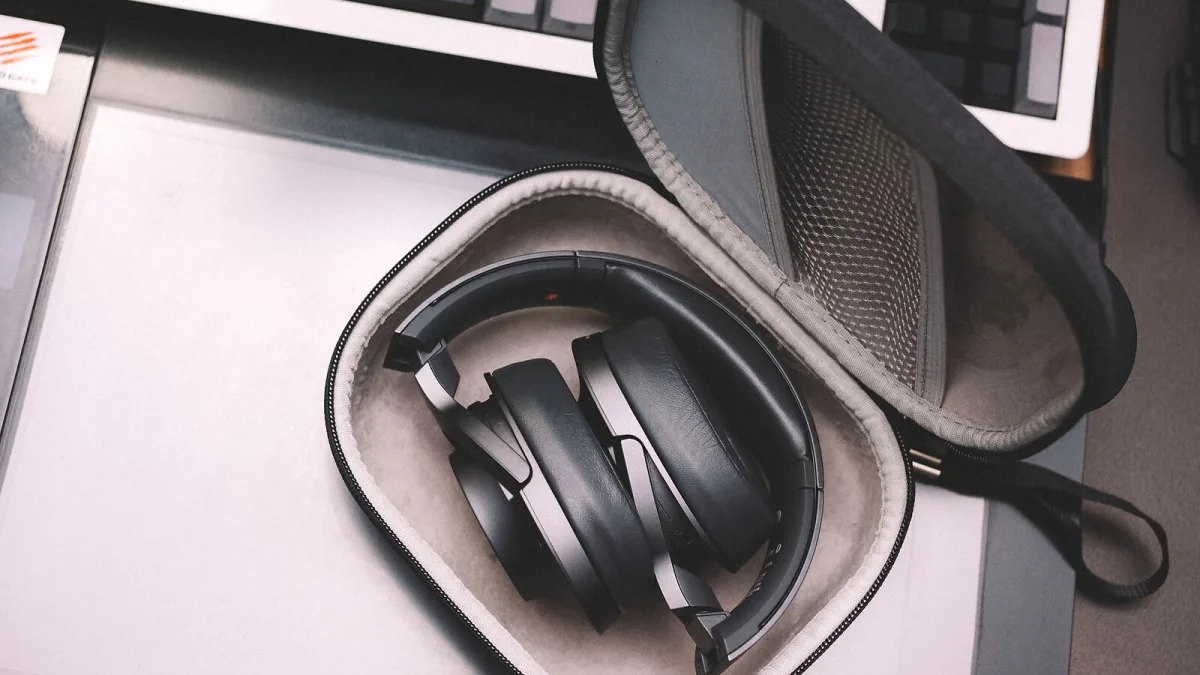
Buying focal headphones for the first time involves more preparation than picking up a pair of earphones at a supermarket. These are precision instruments, they require the right source equipment to perform properly, and the range is structured in a way that rewards understanding what you actually need before you spend. This guide covers the essentials: what to prioritise, what to avoid, and how to start well.
Start with the Use Case
The most important thing to decide before buying focal headphones is what you will use them for. The range divides cleanly into studio tools and listening headphones, and the best choice for each purpose is different.
If you are buying for studio work — recording, mixing, mastering or sound design — you want open-back models for reference listening at your desk, or closed-back for tracking with a microphone. The Clear and Utopia are the studio references; the Listen Pro is the affordable closed-back option.
If you are buying for home listening — enjoying music at the end of the day — either open or closed can work, depending on your listening environment. If you share a space or live in a flat where sound travels, closed-back is more practical. If you have a dedicated listening spot, open-back will generally deliver a more spacious, natural presentation.
Understand What the M-Dome Driver Means
Focal's headphones are built around an M-shaped driver dome — a proprietary design that stiffens the diaphragm to reduce distortion. In practical terms, this means that well-recorded material sounds cleaner and more detailed than it does through a conventional dynamic driver at the same price point. It also means that poorly recorded material sounds exactly as it is — the headphones do not flatter the source.
For beginners, this is worth knowing before the first listen. Focal headphones can make familiar music sound different — sometimes uncomfortably revealing. That is not a fault; it is what neutrality and low distortion feel like when you first encounter them seriously.
Budget Honestly
Entry-level focal headphones begin at around £200 with the Listen series. The studio-focused Listen Pro is a reasonable starting point for beginners who want to learn on a properly neutral monitor. The Elex, at around £700 when available, is where the M-dome technology really shows its capability — and it represents the best value in the range for those who can stretch to it.
Do not underestimate the importance of the source. A clear rule of thumb in audio: if you are spending more than £300 on headphones, invest in a dedicated headphone amplifier or DAC/amp. A phone or laptop headphone socket will drive focal headphones to volume, but the dynamics, control and soundstage of a proper amplifier are meaningfully better. Budget £100–£200 for a starter DAC/amp alongside the headphones.
Open-Back vs Closed-Back for Beginners
Most beginners are surprised by open-back headphones the first time. They sound less enclosed, more spacious, and often — at the same price point — more natural. The trade-off is that they leak sound in both directions: your neighbours hear what you are listening to, and you can hear the room around you. In a quiet home environment at a dedicated listening chair, this is rarely a problem. In a bedroom with family nearby, or at a desk in a shared flat, it becomes one.
Closed-back designs isolate better and contain the sound. They are generally more practical for beginners who are not yet sure about their listening environment. The Listen Pro is the natural starting point on the closed-back side.
Taking Care of Them
Higher-end focal headphones are not fragile, but they reward basic care. Store them in the case or pouch they come with — not loose in a bag where the cable can twist or the ear cups can be scratched. Ear pads wear over time, typically after two to three years of regular use; genuine replacement pads are available and make a meaningful difference to both comfort and acoustic seal. Clean the ear cups occasionally with a slightly damp cloth; avoid solvents.
The cables on the premium models are replaceable and use a mini-XLR or proprietary connector. Keep spares if the cable is used frequently.
What to Do First
Once the headphones arrive, spend the first few sessions listening passively rather than analysing. Get accustomed to the sound signature, which is more neutral and less bass-forward than most people expect from expensive headphones. Then start using familiar material — recordings you know well — to explore the detail. The experience of hearing something you have listened to hundreds of times with new clarity is one of the better arguments for buying this kind of equipment.
For a breakdown of every model in the range and what each is designed for, see the overview. For the specific models worth buying at each price point, the best focal headphones guide has the detail.




Comments