


Focal Headphones roundup
Focal Headphones: A Complete Buyer's Guide
The Focal range is well structured, but picking the right model still requires knowing what you actually need — here is a clear, use-case-driven breakdown.
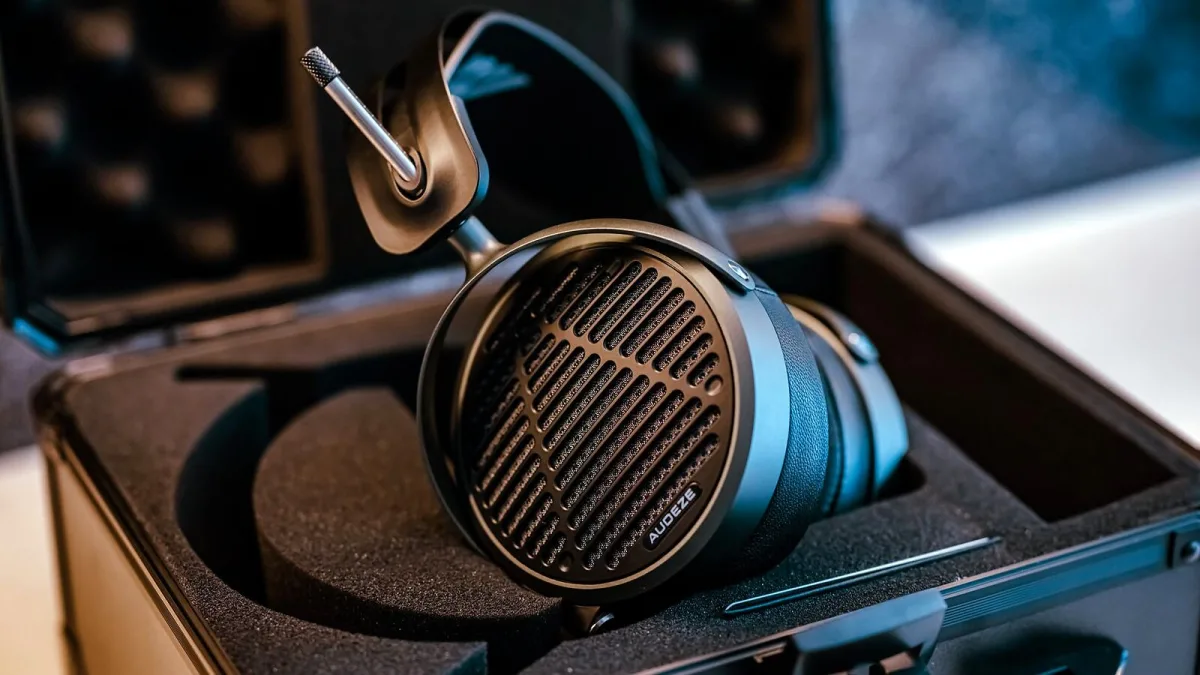
Choosing from the Focal headphone range involves a smaller set of decisions than it might first appear. The range is deliberately structured — each model occupies a clear position, and once you know whether you need open or closed, wired or wireless, and which use case you are buying for, the correct model tends to become obvious fairly quickly. Here is how to work through that decision.
Open-Back or Closed-Back?
This is the first and most important question when buying focal headphones. The answer comes from how and where you plan to use them.
Open-back models — the Utopia, Clear, Clear MG and Elex — allow air to move through the ear cups. This produces a more spacious soundstage and better bass composure, with less of the pressure build-up that can make closed cups fatiguing over long sessions. The trade-off is bidirectional sound leakage — they are not practical in shared spaces, on public transport or anywhere quiet is expected. They are primarily designed for private home listening and studio reference work.
Closed-back models — the Celestee and the discontinued Elegia — seal around the ear. They provide isolation, contain the sound for others nearby and are more practical in shared environments. The acoustic trade-off is some of the boxed-in presentation that closed cups typically introduce. The Celestee is aimed at premium personal listening; the Listen Pro is the closed model positioned for studio monitoring.
Use Case by Model
Professional Studio Reference
The Utopia is the reference-grade option — beryllium drivers, open-back, used by several professional mastering engineers as a primary monitoring tool. The Clear is the more accessible studio benchmark, with aluminium-magnesium drivers and a voicing aimed at long analytical sessions. The Clear MG is a newer version with refined driver materials.
Home Audiophile Listening
The Clear, Celestee and Utopia all suit home listening at different price points. The Celestee has a warmer, more consumer-friendly voicing than the Clear, which some listeners prefer for music enjoyment over analytical work. The Utopia rewards a high-quality source and amplifier chain.
Recording and Tracking
The Listen Pro is the closed-back model aimed at studio tracking — isolating from bleed, comfortable for long sessions, with a neutral enough tuning for monitoring. The Celestee and Elegia can also serve here, though they cost more and the Elegia is discontinued.
Wireless and Daily Use
The Bathys is Focal's wireless entry — Bluetooth 5.1, aptX Adaptive and LDAC codecs, active noise cancellation, and a built-in DAC for wired USB-C connection. For listeners who want quality without cable constraints, it is the clear choice. The Listen Wireless is the more affordable Bluetooth on-ear option for daily commuting.
Budget Tiers
Focal headphones span a wide price range. At the entry level, the Listen series starts around £200, offering a pleasant consumer sound in a compact form. The mid-range — the Elex, Listen Pro and Elegia (used) — sits between £300 and £700, covering most studio and home listening needs. The Celestee and Clear occupy the £1,000–£1,500 range, aimed at serious home listeners and studio professionals. The Utopia, at over £4,000, is a specialist purchase for those who want the best available regardless of cost.
Buying focal headphones from the used market at any tier is generally reliable — the company designs for longevity, replacement parts are available, and the higher-end models hold their value well. Ear pads wear over time and replacement pads are sold directly, so the condition of pads should factor into any used purchase price. Finding focal headphones in good condition at a meaningful discount is common at the Clear and Celestee level.
Amplification Requirements
The Utopia and Clear have relatively low sensitivity and benefit from a dedicated headphone amplifier. A phone or laptop headphone jack will drive them to audible volume, but a proper amplifier improves dynamics and composure noticeably. If you are spending at the Clear level or above, factor in a headphone amplifier or DAC/amp combo. The Listen series is more efficient and less demanding of the source. One common mistake with focal headphones is to budget generously for the headphones themselves but overlook the amplifier — both matter.
What to Listen For When Auditioning
If you have the opportunity to audition in person — Focal has a network of authorised dealers in the UK — bring music you know well, particularly material that is well recorded and dynamically varied. Listen for resolution in the high frequencies, bass composure at higher volumes, and the way instruments separate in a busy mix. Poor-quality recordings will sound worse through a revealing transducer; that is not a fault, it is what resolution means.
For studio work, check that the low midrange presents clearly — this is the region where problematic buildups most commonly occur in mixes. A headphone that flatters this region will make mixing decisions harder, not easier.
The Decision in Short
- For studio reference — open-back: Clear or Utopia depending on budget.
- For home listening — either; Clear for analytical, Celestee for warmth.
- For studio tracking — closed-back: Listen Pro or Celestee.
- For wireless — Bathys (premium) or Listen Wireless (budget).
- At any tier, factor in a headphone amplifier if buying the Clear or above.
For a full breakdown of the technology behind each model, the overview covers the driver design and range architecture in detail. For the specific models that offer best value at different price points, see the best focal headphones round-up.





Comments