


DJ Headphones roundup
Dj Headphones: A Complete Buyer's Guide
A crate-digger's honest checklist for buying DJ headphones — the handful of things worth checking, and the spec-sheet numbers you can safely ignore.
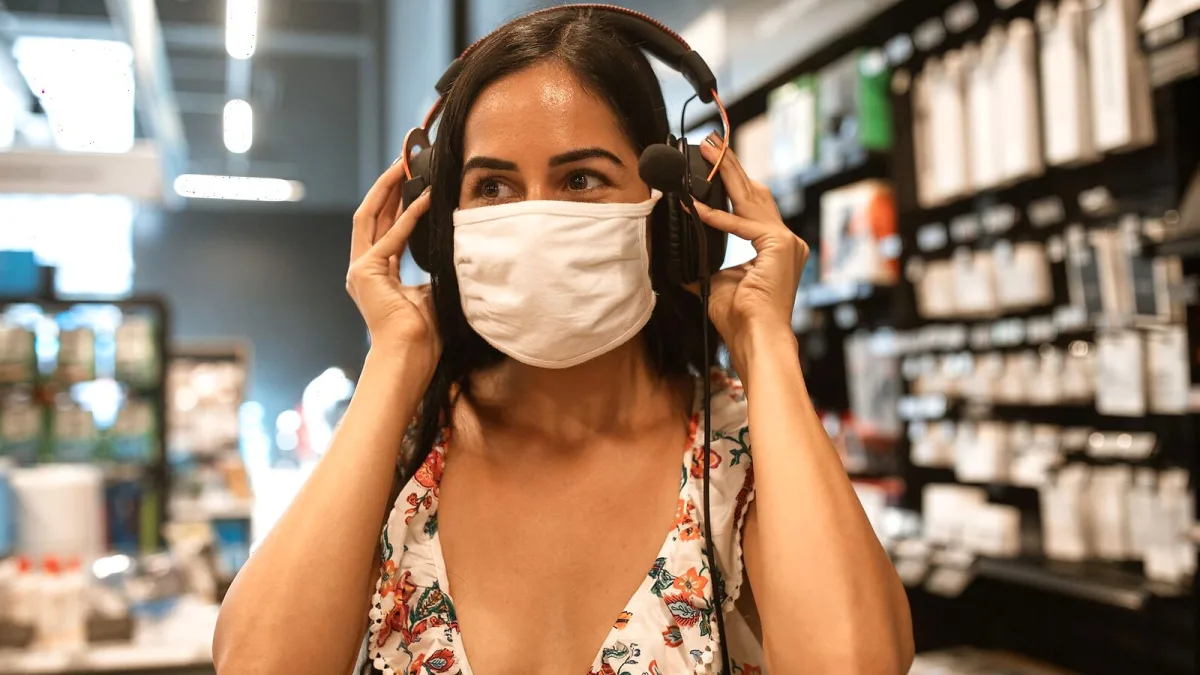
I've bought more headphones over the years than I'd like to admit, and the pairs that actually earned their keep behind the decks were never the ones with the flashiest spec sheet. Buying DJ headphones properly means ignoring most of the marketing and checking a short, boring list of things instead. Here's that list, in the order I'd actually check it.
Start With Isolation, Not the Numbers on the Box
Forget frequency-response graphs for a minute. The single biggest factor in whether DJ headphones work for you in a real club or bar is how well the pads seal against your head. Good isolation means you're not fighting the room by cranking the volume, which keeps the mix clearer and is kinder to your hearing over a long night. Try before you buy if you possibly can — a pad that seals brilliantly on one head can gap badly on another.
Closed-Back Wins the Booth, Every Time
Open-back designs sound lovely in a quiet room, but they leak sound in both directions. That means the cue signal bleeds out towards any nearby microphone, and the room's noise floods straight back in. Unless you're buying a second pair purely for home listening, closed-back is the only sensible option for actual gigs.
| Shape | Good for | Trade-off |
|---|---|---|
| Closed-back over-ear | Loud venues, long nights, maximum isolation | Bulkier, can get warm |
| Closed-back on-ear | Mobile gigs, quick setup, packing light | Slightly less isolation |
| In-ear monitors | Travelling light, festival stages | Awkward for one-ear cueing |
Check the Cable Before Anything Else Physical
Cables are usually the first part to die. Coiled cables give you reach around a booth without a loop of cable trailing underfoot; straight ones are lighter for practising at home. Either way, look for a detachable cable so a fraying lead doesn't mean binning the whole headphone, and check the box includes both a 3.5 mm plug and a 6.35 mm adapter, since mixers and controllers use both.
One Ear Off, One Ear On
Nearly every dedicated DJ model has a rotating earcup so you can monitor with a single ear while the other tracks the room. It sounds like a small thing until you're actually using it every few minutes of a set. Swing the cup all the way round in the shop; it should click into position and stay there rather than flopping back.
Match Impedance and Sensitivity to Your Own Gear
A high-impedance pair designed for a proper amp can sound weedy and quiet out of a small controller's headphone jack. There's no single "correct" number here — what matters is whether the pair you're considering actually gets loud and clean from whatever you'll be plugging it into. If you can, test with your own controller or mixer rather than the shop's demo unit.
Comfort for the Long Haul
A three-hour warehouse set is a very different test than a five-minute demo. Check for headband hotspots, clamping pressure on your temples, heat build-up, and whether the pads still feel fine with glasses on if that applies to you. A slightly heavier pair with generous padding often wins out over a featherweight one that pinches by hour two.
Wired or Wireless: Be Honest With Yourself
Standard Bluetooth headphones carry enough lag to throw off beatmatching and scratching, so for anything performance-related, wired is still the dependable choice. There are now purpose-built low-latency wireless systems aimed squarely at DJs, but they're pricier, protocol-specific, and worth testing in person before you commit — don't take a marketing claim about "imperceptible" latency at face value.
A Quick Buying Checklist
- Closed-back construction for actual gigs
- A seal that genuinely isolates on your own head
- A detachable cable, ideally with both jack sizes included
- An earcup that swivels fully for one-ear monitoring
- Comfortable enough to forget you're wearing them after an hour
- Loud and clean from your specific mixer or controller
Names Worth Knowing
You'll see the same handful of names across most comparisons: the lightweight, long-serving Sennheiser HD 25; Pioneer DJ's HDJ-CX and HDJ-CUE1, aimed at comfort and value respectively; the modular, part-swappable AIAIAI TMA-2; and the rugged V-MODA Crossfade range. None of them is universally "the best" — it depends what you weight most heavily from the checklist above.
If you want the fuller picture of how these differ from ordinary headphones before you shop, our guide to how DJ headphones work covers the background. First time buying a pair at all? Our beginner's guide keeps things simpler. And before you hand over any money, it's worth a quick read of the mistakes most buyers make.
The Bottom Line
Buying DJ headphones well comes down to isolation, seal, a swivelling cup and a cable that'll survive being coiled a thousand times — not the biggest number on the spec sheet. Get those basics right for your own head and your own gear, and you'll end up with a pair that lasts years rather than months.



Comments