


DJ Headphones article
Common Dj Headphones Mistakes to Avoid
The same handful of avoidable mistakes account for most bad DJ headphones purchases. Here's what to watch for before you spend.
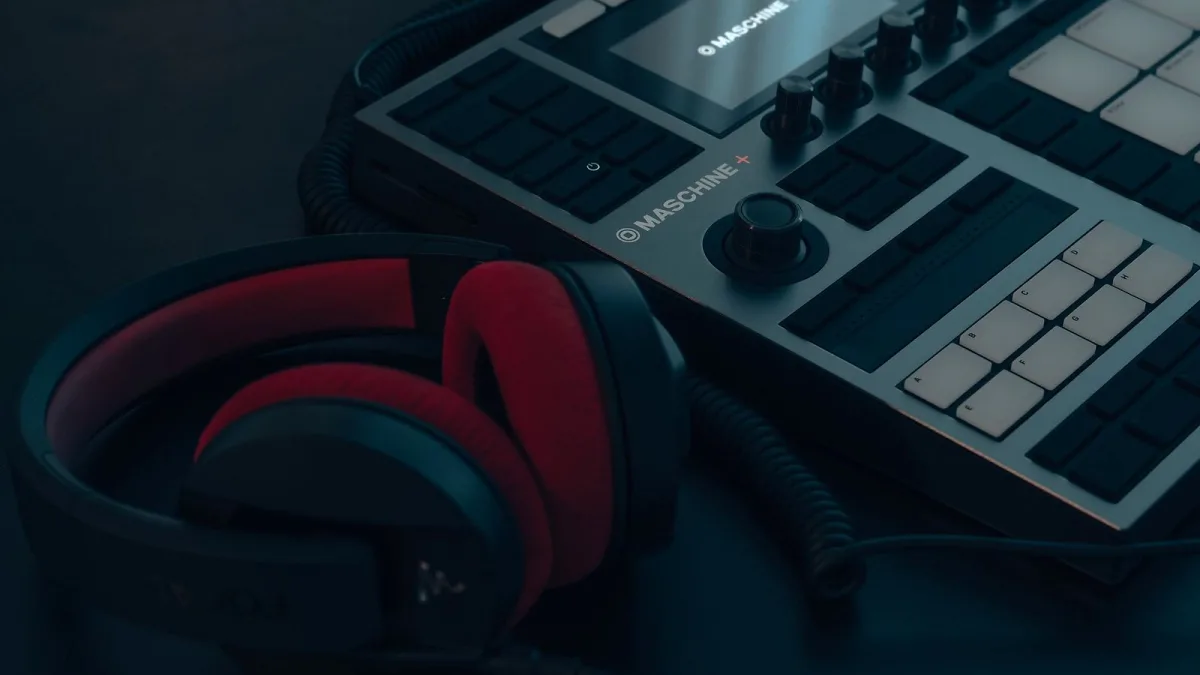
Most bad headphone purchases aren't down to bad luck — they're the same handful of avoidable mistakes, repeated by different people. Having spent years around bass-heavy sound systems and studio gear, here are the errors I see most often when people buy DJ headphones, and the reasoning that gets them there.
Mistake One: Chasing Open-Back "Better Sound"
Open-back headphones genuinely can sound more spacious and natural — that's true, and it's why studios use them for critical listening. It's also exactly why they're wrong for a DJ booth. Sound leaks both ways through an open-back design: your cue signal bleeds outward toward microphones, and the room floods straight back into your ears. That "better sound" argument doesn't survive contact with a loud venue.
Mistake Two: Judging by Driver Size Alone
A bigger number on the box — 50 mm versus 40 mm, say — feels like it should mean better bass. It doesn't, not reliably. Tuning, enclosure design, sensitivity and distortion control all shape the final sound as much as raw driver diameter, if not more. Treat driver size as one data point, never the deciding one.
Mistake Three: Assuming Any Wireless Pair Will Do
Standard Bluetooth headphones carry a delay that's barely noticeable for streaming a podcast and genuinely disruptive for beatmatching or scratching. People buy a nice-looking wireless pair, take it into a set, and can't work out why their timing feels off. If you want to go wireless for performance, that means a purpose-built low-latency system specifically designed for DJ use — not just any Bluetooth headphone with good reviews.
Mistake Four: Ignoring the Cable Until It Fails
Cables get coiled, uncoiled, trodden on and yanked hundreds of times over a headphone's life, and they're usually the first component to give out. Buying a pair with a fixed, non-detachable cable means one frayed lead ends the whole headphone's working life early. Check for a detachable cable and the right connector sizes before you buy, not after the cable's already split.
Mistake Five: Skipping the One-Ear Test in the Shop
Almost every dedicated DJ headphone has an earcup built to rotate for one-ear monitoring. Plenty of buyers never actually swing that cup round before purchasing, then discover in their first proper set that it doesn't rotate far enough, or won't stay put once moved. Test that motion in the shop, on your own head, before you commit.
Mistake Six: Buying for Volume Instead of Isolation
There's a temptation to prize maximum loudness, as if a headphone that can go louder must be the safer bet in a noisy room. Isolation matters far more than headroom. A well-sealed pair lets you hear clearly at a sensible level; a loud pair with a poor seal just tempts you to keep turning the volume up, which is worse for both your mix decisions and your long-term hearing.
Mistake Seven: Assuming Active Noise Cancellation Helps
Active noise cancellation is built for aeroplane cabins and open-plan offices, not for judging a live mix. It works by processing the signal, which is precisely what you don't want between your ears and the track you're monitoring. Passive isolation — a genuinely well-sealing pad — is what dedicated DJ headphones rely on, and for good reason.
Mistake Eight: Buying Before Understanding What You Actually Need
A lot of these mistakes trace back to one root cause: buying before working out what the headphones need to do for you specifically. If you haven't already, it's worth reading how DJ headphones actually work before you shop, or going through our full buyer's guide feature by feature. New to this entirely? Our beginner's guide strips it back to the essentials.
The Bottom Line
Nearly every regret I hear about traces back to one of these eight patterns: chasing the wrong spec, skipping a physical test, or trusting a marketing claim over your own ears. Avoid them, and buying DJ headphones stops being a gamble and starts being a fairly short, sensible checklist.



Comments