


Beyerdynamic Dt 770 roundup
The Best Beyerdynamic Dt 770s for the Money
The best DT 770 isn't the priciest one — it's the impedance version that actually matches the gear you already own.
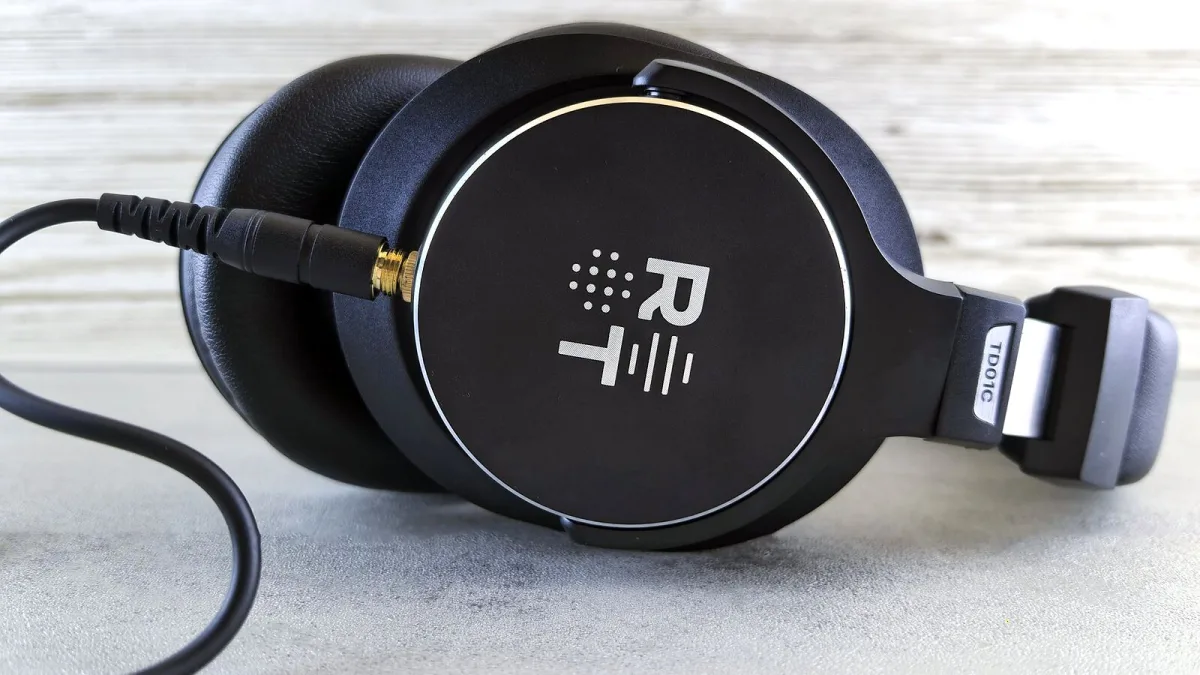
Here's a slightly odd thing about the best DT 770 for the money: it isn't necessarily the most expensive DT 770. Because it comes in three impedance versions rather than three quality tiers, the smart pick is really about matching the right version to what you already own, not chasing the highest number on the spec sheet. Let's go through where the actual value sits.
Why the DT 770 Still Wins on Value
Plenty of headphones at a similar price cut corners on build to hit a number. This one doesn't — metal headband, replaceable velour pads, a driver that's been refined over years rather than rushed to market. That's the real value proposition: you're not paying for flashy branding, you're paying for something that keeps working and keeps sounding the same after a couple of years of daily sessions.
Best for Bedroom Producers: the 32 Ohm Version
If your setup is a laptop, a small audio interface, or even just a phone for reference checks on the move, the 32 ohm version is where your money goes furthest. It's the easiest to drive to a proper volume, so you're not sinking extra cash into an amplifier you don't otherwise need. For anyone starting out on production with modest gear, this is the sensible entry point.
Best All-Rounder: the 80 Ohm Version
This is the one that turns up most often in home studios, and for good reason. It sits in the sweet spot — enough headroom to sound its best from a proper interface, without demanding a dedicated amp the way the top-tier version does. If you only want to buy one pair and be done with the decision, this is usually it.
Best if You've Already Got an Amp: the 250 Ohm Version
Don't buy this one speculatively. It's genuinely the best-value DT 770 only if you already own a headphone amplifier or a monitor controller with proper output. Paired correctly, you get a touch more control and headroom for the money; paired with a bare laptop jack, you'll wonder why it sounds so quiet and conclude, wrongly, that you've been ripped off.
What Bundles and Retailers Actually Offer
Some retailers pair the DT 770 with a basic headphone amp or a carry pouch as a bundle deal. Whether that's genuinely good value depends entirely on what's inside — a proper small headphone amp bundled with the 250 ohm version can be worth it, but a generic pouch bumping up the price for the 32 ohm version usually isn't. Always price-check the headphone alone before deciding whether the bundle adds anything you'd actually buy separately. It's also worth comparing new prices against a well-looked-after secondhand pair, since the repairable design means a used unit isn't automatically a compromise.
Where Your Money Is Better Spent Elsewhere
- A better cable — not needed. The stock cable is fine and the design is fixed anyway, so there's nothing to upgrade there.
- Aftermarket pads before the stock ones wear out — skip it. The factory velour pads are genuinely good and replacements are cheap once you actually need them.
- The newer PRO X model, purely for impedance flexibility — it uses different driver technology, so it isn't a straight upgrade path; treat it as its own product if you're curious.
For the full rundown of specs, sound and build across all three versions, our overview and features guide covers it in more depth than we can here.
How We're Judging Value Here
No invented benchmark scores or made-up lab numbers — just what actually matters when you're spending your own money. That means build quality that holds up over years, a driver and pad design that's genuinely repairable rather than disposable, and a sound signature that's well understood and consistently reported across independent reviews. On all three counts, this headphone earns its reputation rather than relying on marketing to prop it up.
Value Comparison at a Glance
| Version | Best value for | Skip if |
|---|---|---|
| 32 ohm | Laptop or phone-based setups, tight budgets | You already own studio-grade amplification |
| 80 ohm | Most home studios wanting one all-round pair | You need maximum portability from a phone |
| 250 ohm | Studios with a dedicated headphone amp already | Your only source is a laptop or phone jack |
When You Should Look Elsewhere Entirely
If your priority is a flat, neutral tone for final mix and mastering decisions, none of the three versions here are the ideal single tool — the sound leans lively rather than reference-flat, which is genuinely a feature for tracking and editing but a limitation if you want one pair to do everything. And if you want a spacious, open sound and don't need to record near a live mic, the open-back DT 990 PRO is worth a look instead.
Not sure this is even the right starting point for you? Our beginner's guide and full buyer's guide both walk through the basics before you spend anything.
The Bottom Line on Value
The best DT 770 for your money is whichever impedance version actually matches the gear sitting on your desk right now. Buy for what you own today, not for the amp you might buy in six months, and you'll get genuinely excellent value out of it either way.




Comments