


Beyerdynamic Dt 770 article
Beyerdynamic Dt 770 for Beginners: A Complete Guide
No engineering degree required: a calm, step-by-step introduction to your first DT 770, from choosing the right version to your first listen.
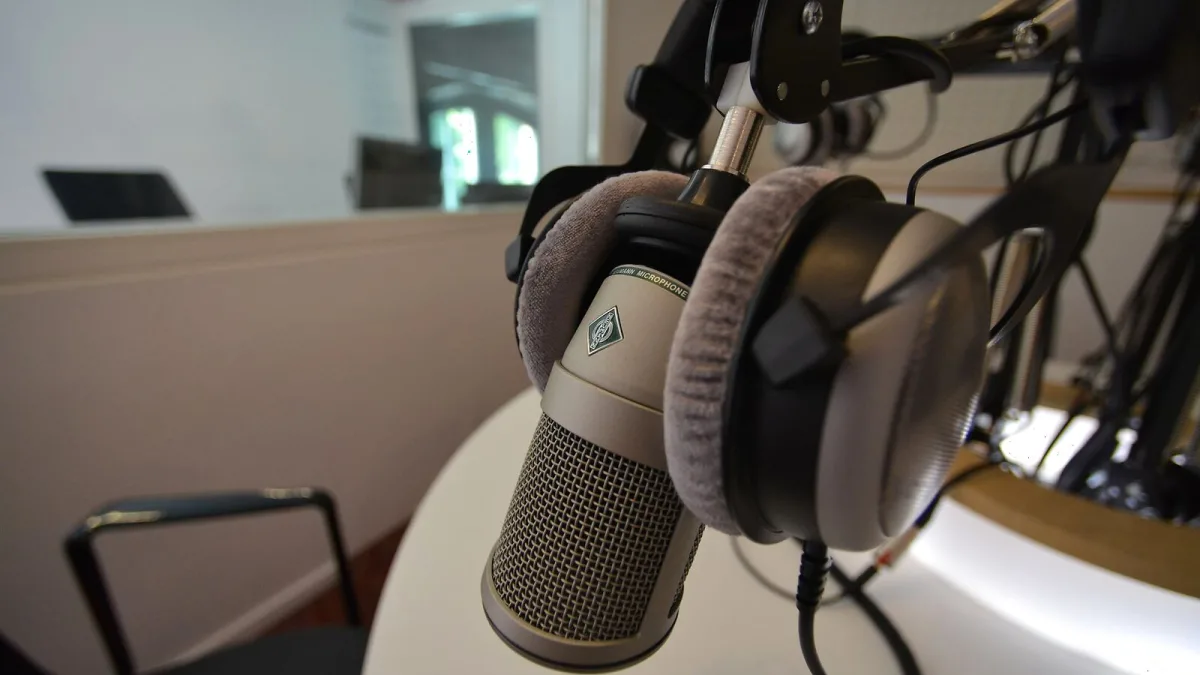
If you're setting up your very first proper recording space, buying your first "grown-up" headphones can feel oddly stressful. There are ohm numbers, model letters and forum opinions everywhere, and it's easy to feel like you need an engineering degree before you're allowed to press record. You don't. Let's take the beyerdynamic DT 770 apart gently, one idea at a time, so you understand exactly what you're buying and why.
Why a Closed-Back Design Suits a First Setup
The DT 770 is what's called a "closed-back" headphone, which just means the outer shell of each ear cup is sealed rather than open or perforated. For a beginner, that matters for one simple reason: it keeps most of what you're listening to inside the cups, rather than leaking out and being picked up by a nearby microphone while you're recording. If you've ever heard a recording with a faint, tinny echo of the headphone mix bleeding into a vocal take, a closed design like this is exactly what prevents that.
Understanding "Ohms" Without the Overwhelm
You'll see the DT 770 sold in three versions: 32, 80 and 250 ohm. Take a breath — this is simpler than it looks. The number describes how much electrical "push" the headphone needs from whatever it's plugged into. Think of it a little like choosing a kettle for your home's wiring: too little power and it just won't do the job properly.
- If you're plugging into a laptop, a small audio interface, or even a phone, choose 32 ohm. It's the friendliest option for beginner gear.
- If you already have a slightly more capable home studio interface, 80 ohm is a very safe, popular choice.
- Only choose 250 ohm if you already own, or definitely plan to buy, a separate headphone amplifier. Otherwise it may sound frustratingly quiet.
When in doubt, most newcomers are perfectly served by the 32 or 80 ohm versions. There is no prize for buying the highest number.
Setting It Up for the First Time
Getting started is refreshingly simple, and it helps to do it in order the first time so nothing feels fiddly:
- Check the plug on the cable — it will be a small 3.5 mm jack, usually with a screw-on 6.35 mm adapter included for larger studio equipment.
- Plug the small jack directly into your device if the socket matches, or screw on the larger adapter first if you're using a studio interface or mixer.
- Turn any volume or gain control down low before you put the headphones on, then bring it up gradually while listening to something familiar.
- Adjust the headband sliders on each side evenly until the fit feels snug but not tight, and check the ear pads sit flush against your head.
- Play a track you know well and listen for balance, not perfection — you're checking comfort and connection, not judging sound quality yet.
Once that's done, you're properly set up, and there's genuinely nothing more complicated to it than that.
What to Expect When You First Listen
Don't be surprised if the DT 770 sounds a little more "exciting" than you expected, with noticeable bass and a bright, detailed top end. That's simply its character, not a fault, and it's actually rather useful while you're learning: it tends to reveal small mistakes, background noise and rough edits clearly, which is exactly what you want while you're finding your feet. Just remember that its sound leans a little livelier than a perfectly flat reference, so as your ears develop, you'll learn to allow for that rather than trust it blindly for every decision.
Looking After Them From Day One
| Good habit | Why it helps |
|---|---|
| Store them flat or on a stand, not squashed in a bag | Protects the headband and avoids kinking the cable |
| Wipe the velour pads occasionally | Keeps them comfortable and hygienic over long sessions |
| Keep volume at a sensible level | Protects your hearing, which matters more than any piece of gear |
| Note that the cable isn't detachable | Avoid sharp kinks near the plug, since a damaged cable means a repair, not a swap |
Common Beginner Worries, Answered Gently
"What if I buy the wrong ohm version?" You won't damage anything — at worst, it will simply sound quieter than it should from underpowered gear, and you'll know to check that before buying again. "What if they don't block out my noisy housemate?" They'll help a good deal, but they're not the same as active noise-cancelling headphones, so treat them as a recording tool rather than a way to block out the world entirely. "Am I ready for a headphone this 'serious'?" Yes. It's designed to be approachable for exactly this stage.
Once you're comfortable with the basics here, it's worth reading our fuller overview and features guide to understand the DT 770 in more depth, and our buyer's guide if you're still weighing up which version to purchase. If budget is on your mind too, our guide to the best value options is a gentle next step.
The Encouraging Bottom Line
You don't need to understand every specification before you start. Pick the ohm version that matches your gear, follow the simple setup steps above, and give yourself permission to just listen for a while before you judge anything. The DT 770 is a genuinely forgiving, well-built place to begin, and there is no rush to know it all on day one.




Comments