


U 87 Neumann roundup
U 87 Neumann: A Complete Buyer's Guide
The internet has strong opinions about which one to buy. Here's the practical version: what actually matters, what to check, and what you're paying for.
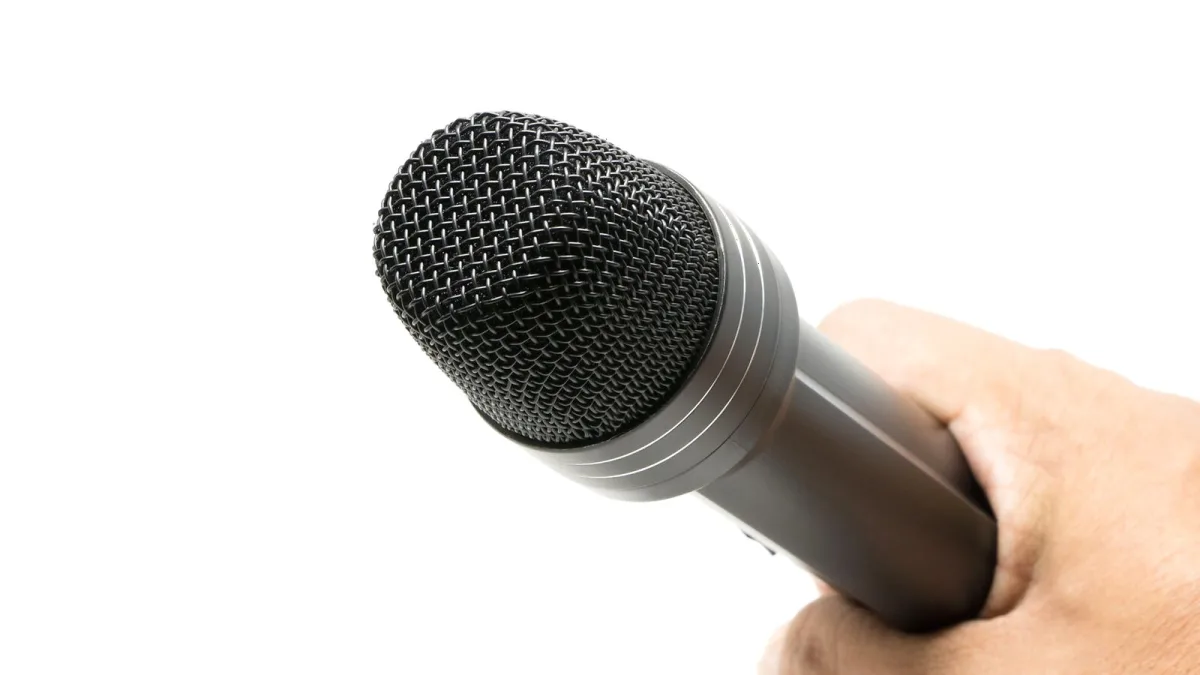
Right, let's talk brass tacks. A Neumann U 87 is a genuinely serious purchase, and the internet is absolutely stuffed with strong opinions about which one to get. Here's the practical version: what actually matters, what to check on a used unit, and what you're really paying for.
First: Know Which Version You're Looking At
This is the single most important thing to get right before you spend any money. The model has been through several distinct revisions — the original with its 7-pin Tuchel connector, the "i" version that moved to a standard 3-pin XLR, the "A" revision with further electronic changes, and today's current "Ai" model, which dropped the internal battery supply and improved sensitivity and noise performance. Listings, especially secondhand ones, aren't always careful about which version they're actually selling. Always confirm the exact model letter before you commit.
The U 87 Spec Sheet, Decoded
| Spec | What it means for you |
|---|---|
| Three polar patterns | Cardioid, omni and figure-eight in one mic, switchable without swapping capsules |
| −10 dB pad | Extra headroom for loud sources close to the capsule, without changing the actual source level |
| Low-cut filter | Reduces rumble, footfalls and proximity-effect build-up before it hits the recording |
| Max SPL | 117 dB in cardioid, rising to 127 dB with the pad engaged — plenty of headroom for most sources |
| Powering | Standard 48V phantom power, drawing a modest current from your interface or desk |
New, Vintage or Anniversary Edition?
A brand-new U 87 gets you the current electronics, a warranty and total peace of mind about condition. A vintage unit can be a genuinely special thing to own, but age alone doesn't guarantee a better sound — capsule health, transformer condition and calibration all matter enormously, and a tired vintage unit can easily be outperformed by a well-maintained current model. There's also occasionally a special-edition anniversary set on offer, which is a dressed-up presentation of the established design rather than a technically different microphone.
Buying Used: What to Actually Check
- Confirm the exact model revision and matching serial-number documentation where possible
- Ask about service history, especially capsule condition and calibration
- Listen for excessive self-noise or an unstable, crackly output, which can indicate a tired capsule or dodgy connection
- Check the shock mount and any accessories included — a proper elastic suspension isn't cheap to replace separately
- Be wary of a price that seems too good given the model and condition described
Try Before You Buy, Wherever You Can
If a local dealer stocks a U 87, book time to actually sing or play into it against whatever you're currently using. Bring your own preamp or interface if you can, since the comparison only means anything at matched gain levels — a louder sample will almost always sound "better" to your ear even when it genuinely isn't. Test all three patterns, not just cardioid, since the omni and figure-eight settings behave very differently in a live room.
Renting First: A Sensible Middle Ground
If you only need a U 87 for a handful of sessions a year, renting one from a pro-audio hire house can work out far more sensibly than buying outright, and it lets you confirm the mic genuinely suits your voice or your usual sources before committing serious money. Plenty of engineers rent high-end microphones for specific sessions rather than owning every option they might ever want.
What You're Actually Paying For
Honestly, exact pricing swings around a lot by country, condition, package and availability, so I won't pretend to give you a number that'll still be accurate by the time you read this. What I will say is that you're paying for a genuinely versatile tool with a proven track record, not a guaranteed upgrade to every vocal that goes near it. A cheaper, well-matched microphone in the right room, on the right voice, can outperform an expensive one placed carelessly. Budget for a decent shock mount and pop filter alongside the microphone itself — neither is a luxury add-on.
Where to Look Next
If you want the full rundown of features before you decide anything, our complete explainer covers that ground properly. Comparing new against vintage on value specifically? Our guide to getting the best value is the natural next stop.





Comments