


U 87 Neumann roundup
The Best U 87 Neumanns for the Money
There's no single best one, just the best route for your situation. Here's how buying new, going vintage or simply renting actually compares.
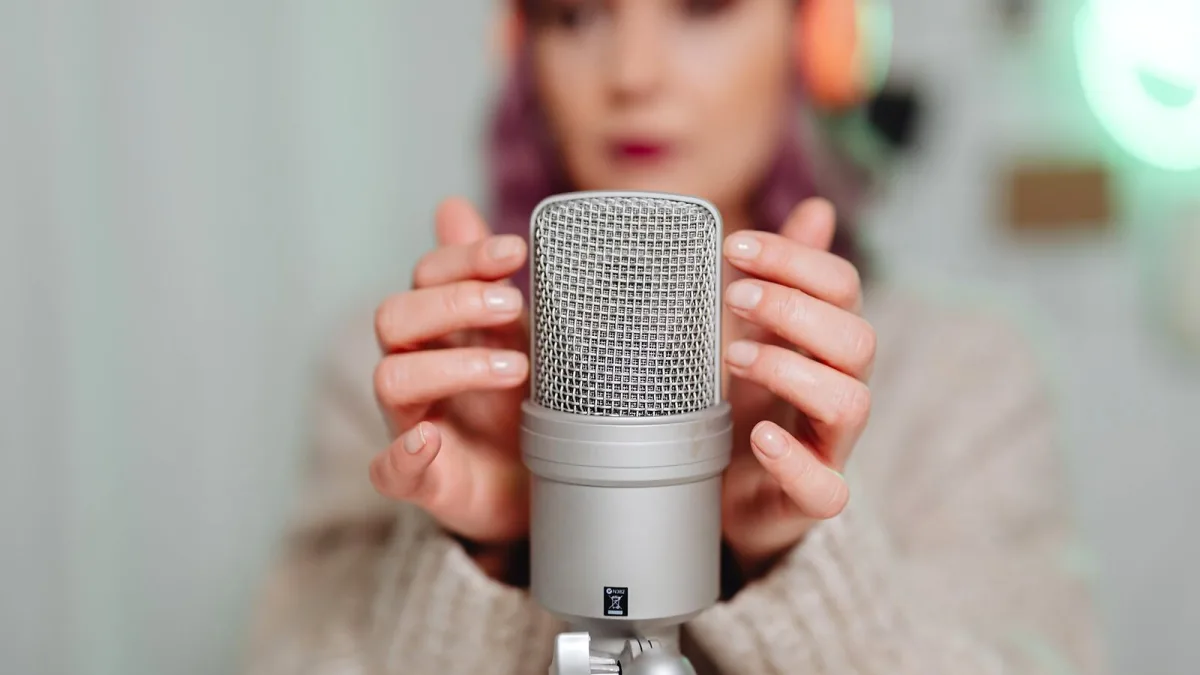
Here's the thing nobody tells you upfront about a Neumann U 87: there isn't really a "best one" in the way there's a best budget interface or a best pair of headphones. There's one microphone, made in a handful of genuinely different revisions, and several different routes to actually owning it. This is about which route gets you the most for your money, not a fake shootout between models that don't really compete with each other.
Why "Best" Means Something Different Here
No reliable, independently verified pricing exists that would let anyone responsibly rank options by pound-for-pound value across the whole market — prices genuinely move by country, condition, package and simple availability. So instead of pretending to crown a winner, this is about matching the acquisition route to your actual situation: how often you'll use it, how much risk you're comfortable with, and what you already own.
Route One: Buy the Current U 87 New
If you want zero uncertainty, a brand-new current unit is the obvious choice. You get the manufacturer's latest electronics, full warranty cover, and total confidence that nothing's been quietly degrading in a drawer for twenty years. This is genuinely the best value route for anyone who'll be using the microphone constantly and can't afford downtime while a vintage unit goes off for a service.
Route Two: A Well-Documented Vintage U 87
A properly serviced vintage unit, ideally with a paper trail showing recent calibration and capsule condition, can be excellent value — you're getting a genuinely historic design, and vintage units sometimes trade for less than a brand-new one depending on condition and market. The risk sits entirely in that word "properly." An undocumented vintage unit bought sight-unseen is a gamble, not a bargain, however tempting the asking price looks.
Route Three: Renting for Occasional Use
If you're only tracking a handful of vocal sessions a year, renting a U 87 from a pro-audio hire house is often the genuinely smartest value decision available, even though it never shows up in a typical "best of" list. You get the exact sound you're after for the session that actually needs it, without tying up serious money in a microphone that spends most of the year in its case.
Route Four: The Anniversary or Special-Edition Set
Occasionally a special-edition presentation of the established design appears on the market. It's worth being clear-eyed about what you're actually buying here: a dressed-up package around the same core microphone, not a technically superior one. Only worth the premium if the collectible aspect genuinely matters to you personally, not as a purely technical upgrade.
Matching the Route to the Player
| Your situation | Best-value route |
|---|---|
| Recording constantly, need reliability | New current model, full warranty |
| Comfortable inspecting used gear carefully | Well-documented vintage unit |
| A handful of sessions a year | Rent from a pro-audio hire house |
| Collector or long-term investment mindset | Special-edition set, eyes open about the premium |
What "Value" Actually Buys You Here
Whichever route you pick, you're paying for the same core strengths: three genuinely usable polar patterns in one microphone, a pad and filter that handle loud or rumbly sources without fuss, and a controlled, familiar tone that behaves predictably across a huge range of instruments and voices. None of that changes between routes — what changes is risk, cost and how quickly you get your hands on a working unit.
A Word on Comparing to Other Microphones
It's tempting to weigh a U 87 against other well-regarded large-diaphragm condensers when you're deciding whether it's worth the outlay at all. That's a fair question, but it deserves its own honest comparison rather than a quick paragraph here — different microphones suit different voices and rooms, and no single model, however famous, is automatically the right answer for every source.
Don't Forget the Supporting Cast
Whichever route you take, a proper elastic shock mount and a decent pop filter aren't optional extras — they're part of getting good, usable results, and skimping here to save a little after a big spend is a false economy.
Making the Actual Decision
Still working out whether you need one at all? Our complete explainer covers what it actually does. Ready to buy and want the detailed checklist? Our buyer's guide walks through exactly what to inspect.





Comments