


Shure Sm57 roundup
The Best Shure Sm57s for the Money
One mic, no real “versions” — here's where the genuine value lies when kitting out a Shure SM57 for the money you've got.
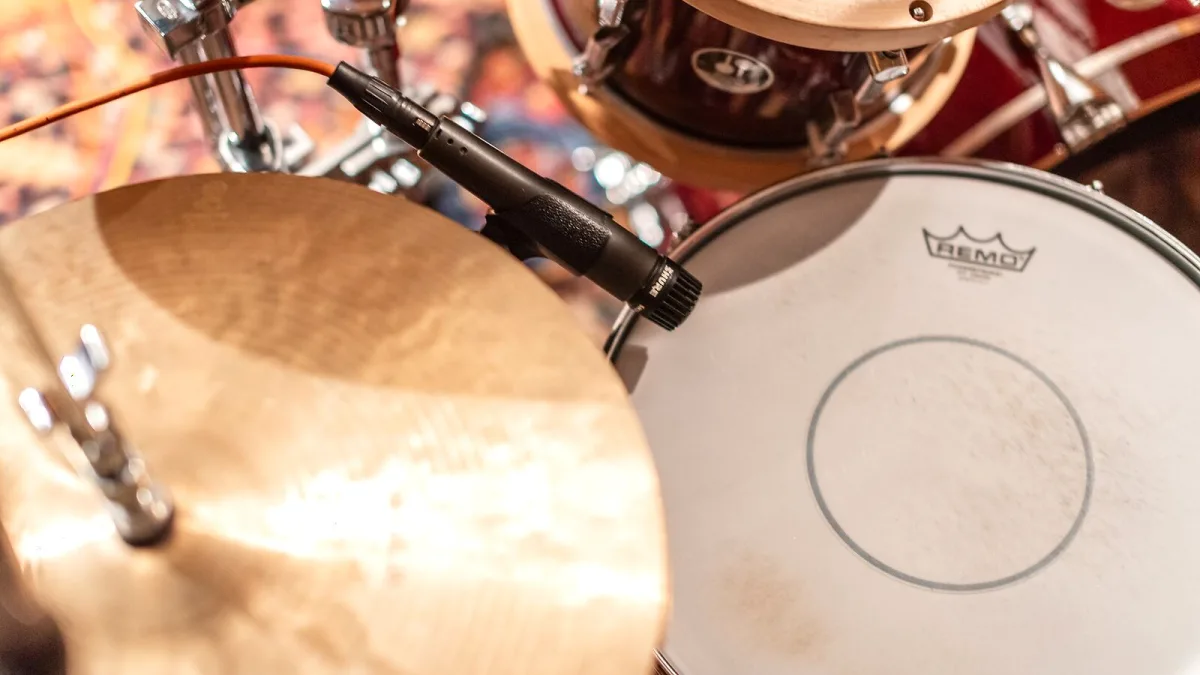
Here's a fun wrinkle: the Shure SM57 doesn't really have "versions" the way a guitar or a synth does. It's one microphone, built pretty much the same way since 1965. So instead of ranking imaginary tiers of the same mic, let's talk about what actually changes the value you get for your money — the package you buy, what you pair it with, and when a close relative is genuinely the smarter pick.
That consistency is actually the whole point. Every Shure SM57 sold today performs to the same spec as one bought decades ago, so "best value" here isn't about chasing a newer revision — it's about matching the accessories and companion gear to what you're actually going to record.
Option one: the bare mic, and why that's often enough
Buying just the microphone — sometimes listed as the SM57-LC in certain markets — and sourcing your own cable is the cheapest route in, and for most home setups it's genuinely all you need. You're not missing out on any "better" internals by skipping a bundle; you're just choosing to buy the accessories separately, often for less overall if you already own decent cables.
Option two: a bundle with cable and clip
If you're starting completely from scratch, a bundle that throws in an XLR cable and a mic clip removes a bit of first-purchase friction. It's rarely a huge saving over buying the pieces separately, but it does mean you can plug in and start recording the same afternoon without a second trip to the shop.
Option three: adding the A2WS windscreen
This is the upgrade that actually changes what you can use the mic for, rather than just how it arrives in the box. Shure's A2WS windscreen cuts down plosives and wind noise, which matters if you ever plan on using this on vocals, podcasting, or anywhere outdoors. If your use case is strictly amps and drums, you can skip it entirely and save the money.
Option four: pairing it with a second SM57
For drum recording specifically, a second Shure SM57 is one of the best-value upgrades in the whole hobby. One on the snare, one on a rack tom or as a spot mic on a guitar cabinet during the same session — because it's inexpensive and completely consistent unit to unit, buying a matched pair costs a lot less than it would with almost any other serious microphone.
Because there's no capsule-to-capsule variation to worry about the way there can be with condensers, you don't need to audition several units side by side before buying a second one — any properly working example will match the first closely enough for real-world recording.
When a close relative is the smarter buy instead
| If you mainly need... | Consider instead |
|---|---|
| Handheld vocals, live or home | Shure SM58 — same core design, built-in pop protection |
| Tighter rejection on a busy stage | Shure Beta 57A — supercardioid pattern, different capsule |
| Detailed, airy vocal or acoustic capture | A condenser microphone — a genuinely different tool for a different job |
| Guitar amps, snares, toms, brass | The standard SM57 — still the right call |
None of these are "better" microphones in the abstract — they're built for different jobs, and buying the SM57 when you actually needed an SM58 is the single most common way people end up disappointed with a genuinely excellent mic.
Where the real money is best spent
If your budget stretches a little further than the mic itself, the smartest next purchase usually isn't a fancier microphone at all — it's a proper mic stand, a clean-sounding preamp, or (for drums) that second unit. A Shure SM57 that's positioned two centimetres in the wrong spot on a snare will sound worse than a well-placed one on a cheaper mic, so spend on placement flexibility and gain quality before you spend on a second microphone model entirely.
Not sure this is even the right mic for what you're doing yet? Our full explainer covers what it's built for, and our buyer's guide walks through what to check before you commit either way. If you're just getting started with recording generally, our beginner's guide is the friendliest place to start.
The bottom line
There's no "best" tier to chase here — just the right package, the right accessory, and occasionally the right sibling model for the job at hand. Get those three calls right and you'll get more genuine value out of one inexpensive dynamic mic than most people get from a much pricier microphone shelf.




Comments